
For most home kitchens, the sweet spot is a 12 to 14-inch (30-36 cm) wok. This size hits that perfect balance between having enough room to cook and being easy to handle on a regular stove. It’s versatile enough for a quick stir-fry for two but can also handle a meal for a small family without feeling cramped.
Now loading...
Your Quick Guide to the Perfect Wok Size
Picking the right wok size can feel like a big decision, but it really boils down to one simple question: how many people are you usually cooking for?
Now loading...
If your wok is too small, your food will steam instead of getting that beautiful, crispy sear. Go too big, and you'll struggle to get it hot enough on a home burner—not to mention finding a place to store the beast. The goal is to find that "just right" wok where your ingredients have plenty of space to toss and cook evenly. That's the real secret to getting that classic stir-fry texture and flavor.
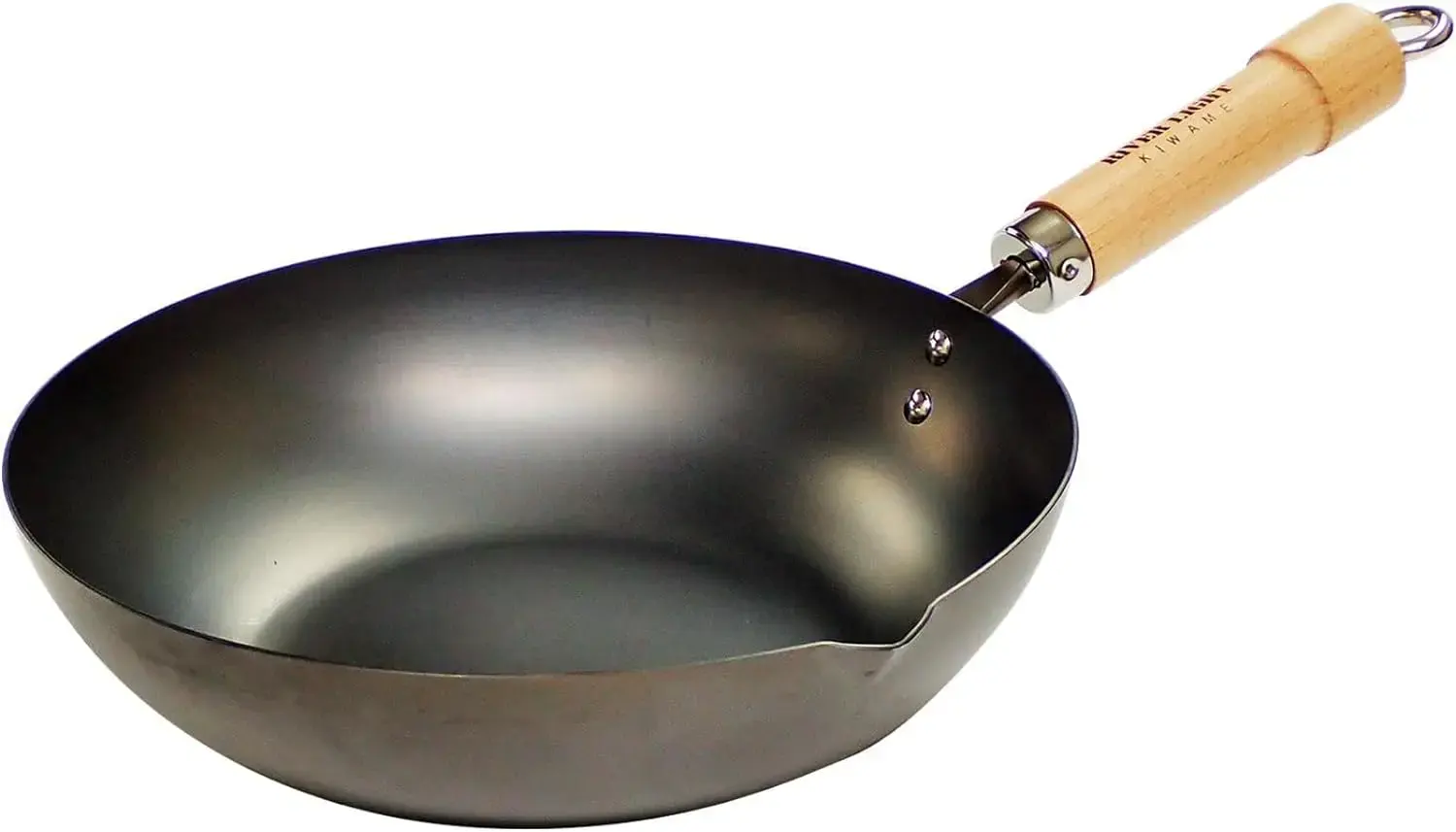 | (Riverlight) River Light Iron Frying Pan, Extreme Japan, 10.2 inches (26 cm), Induction Compatible, Made in Japan, Wok |
Quick Wok Size Reference Chart
To help you get started, here's a straightforward chart that matches wok diameter to your household size. Think of this as your first step to narrowing down the options before we dive into other factors like burner size and materials.
The 12 to 14-inch range is where most people land. In fact, these medium-sized woks account for nearly 47% of all sales, which just goes to show how popular they are for balancing cooking space with maneuverability. You can see more cookware market findings on MarketIntelo.com.

Use this table as a quick reference to find your ideal starting point.
| Servings (People) | Recommended Wok Diameter (Inches) | Recommended Wok Diameter (cm) | Best For |
|---|---|---|---|
| 1-2 | 10" – 12" | 25 – 30 cm | Solo meals, couples, or small side dishes |
| 3-4 | 12" – 14" | 30 – 36 cm | Small families and the most versatile all-arounder |
| 5-6 | 14" – 16" | 36 – 40 cm | Larger families or cooking for guests |
| 6+ | 16"+ | 40+ cm | Batch cooking, parties, or restaurant use |
This chart gives you a solid foundation for your decision. Now, let's look at how your stove and cooking style might influence your final choice.
Matching Your Wok Size to Your Household
The number of people you cook for is hands down the most important thing to think about when picking a wok. Try to imagine stir-frying a family-sized meal in a tiny wok—it’s like trying to mix cake batter in a teacup. It just doesn't work. The ingredients have absolutely no room to move, toss, and sear properly.
Instead of getting that incredible, smoky flavor known as wok hei, you'll just end up with a crowded, steaming pile of veggies. Overcrowding is the ultimate enemy of a good stir-fry. It tanks the wok's temperature, causing your food to boil in its own juices instead of developing that perfect, crisp texture. Giving your ingredients enough space isn't just a suggestion; it's a must for getting things right.
Finding Your Household Sweet Spot
For solo cooks or couples, a 12-inch wok is usually the perfect kitchen companion. It heats up fast on a typical home burner, it’s light enough to flip and toss with ease, and it offers plenty of room for one or two generous servings. It’s a fantastic size for getting the hang of wok techniques without feeling like you're wrestling with a giant pan. If that sounds like you, check out our guide on the best 12-inch carbon steel woks to see if it’s the right fit.
Once your household grows to three or four people, a 14-inch wok is the undisputed champion. This is the size that gives you the volume you need to cook bigger meals without sacrificing an ounce of performance. You can toss ingredients freely, ensuring everything gets a kiss from the heat and cooks evenly. History backs this up, too; the wok has been a kitchen workhorse for nearly 3,000 years, designed to feed families efficiently. Even today, a 14-inch (36 cm) wok is considered the go-to standard for a family of three or four.
Key Takeaway: The whole point is to give your ingredients enough surface area to make direct contact with that screaming-hot metal. A wok that’s the right size ensures your food sears, not steams—and that’s the secret to authentic stir-fry.
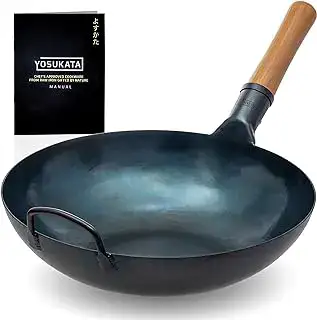 | YOSUKATA Flat Bottom Wok Pan - 13.5" Blue Carbon Steel Wok - Preseasoned Carbon Steel Skillet - Traditional Japanese Cookware - Carbon Steel Pan for Electric Induction Cooktops Woks and Stir Fry Pans |
The Problem with Going Too Big
While it might be tempting to grab the biggest wok you can find, anything over 16 inches is usually more trouble than it's worth for home cooking. A wok that’s too large is not only heavy and a pain to store, but it’s also incredibly difficult to heat up properly on a residential stove.
Your burner will likely only heat a small spot at the very bottom, leaving the sides lukewarm and rendering most of the cooking surface useless. Sticking to the recommended size for your household gives you the perfect balance of capacity, control, and cooking power.
How Your Stove Type Dictates Your Wok Choice
Picking the right wok isn't just about how many mouths you need to feed—it's about creating a perfect partnership with your stove. Think of your wok and cooktop as a dance duo. If they aren't in sync, the performance is going to be clumsy and ineffective. This is a critical detail so many new buyers miss, and it often leads to wobbly pans and seriously disappointing meals.
Your stove fundamentally determines the wok’s shape and, to a degree, its ideal size. A classic, traditional wok with a perfectly rounded bottom just won't work on a flat electric or glass surface. It needs a specific environment to heat up correctly and sit stable.

Understanding this relationship is the key to investing in a wok that will truly shine in your kitchen.
To make this easier, here's a quick look at which woks work best with different stoves.
Wok and Stove Compatibility Guide
| Stove Type | Recommended Wok Bottom | Best Materials | Key Considerations |
|---|---|---|---|
| Gas | Round Bottom | Carbon Steel, Cast Iron | A wok ring is essential for stability and proper heat distribution. |
| Electric Coil | Flat Bottom | Carbon Steel, Stainless Steel | Requires direct, flat contact with the coil for efficient heating. |
| Glass/Ceramic | Flat Bottom | Carbon Steel, Stainless Steel | The flat base ensures stability and prevents scratching the delicate glass surface. |
| Induction | Flat Bottom | Magnetic Carbon Steel, Cast Iron | Wok must be made of a ferromagnetic material to work with induction technology. |
As you can see, the wok you choose is directly tied to the heat source you have. Let's dig a bit deeper into why this matters.
Gas Stoves: The Traditional Choice
If you've got a gas stove, congratulations—you have the classic and most effective setup right at your fingertips. Gas flames can lick up the curved sides of a round-bottom wok, delivering the intense, all-encompassing heat needed to achieve authentic wok hei. This design is brilliant because it concentrates heat at the very bottom, creating a scorching-hot zone perfect for searing.
To make this magic happen, you'll need a simple metal accessory called a wok ring. This ring sits over your burner grate, cradling the wok's round bottom and holding it steady right above the flame. Honestly, this setup is the gold standard for traditional stir-frying.
Electric and Glass Cooktops
For those with a flat electric coil or a sleek glass cooktop, a round-bottom wok is completely out of the question. It will wobble precariously and make so little contact with the heating element that you'll get slow, uneven cooking. It’s a recipe for frustration.
For flat stoves, a flat-bottom wok is non-negotiable. The flat base allows for direct, stable contact with the heating surface, ensuring efficient heat transfer.
Without that direct connection, you simply won't generate the high temperatures required for a proper stir-fry. While a flat-bottom wok has slightly different heat dynamics than a round one, it's the only safe and practical option for these stovetops.
The Rise of Induction Cooking
Induction cooktops have their own unique set of rules. Just like electric and glass stoves, they demand a flat-bottom wok to make surface contact. But there's a bigger catch: the wok must be made of a ferromagnetic material—like carbon steel or cast iron—for the magnetic field to generate heat.
- Carbon Steel: The vast majority of carbon steel woks are induction-compatible, making them a fantastic all-around choice.
- Cast Iron: Cast iron works beautifully on induction cooktops but be warned, it can be incredibly heavy to toss and maneuver.
- Aluminum & Copper: These materials are a no-go on induction unless they have a special magnetic steel plate bonded to the base.
Getting the right material here is absolutely vital for performance. For more in-depth advice, check out our full guide on finding the best wok for an induction cooktop. It'll help you find a wok that not only fits your stove but delivers incredible results every single time.
Why Wok Material Affects the Right Size
So far, we've talked about shape and diameter, but there's another huge piece of the puzzle: the material your wok is made from. This is something that directly impacts what size feels "right" in your kitchen.
Think about it like choosing between two backpacks that are the exact same size. One is made of feather-light nylon, and the other is heavy-duty canvas. The experience of picking them up and carrying them around is night and day.
It's the same deal with woks. A 14-inch carbon steel wok is your nylon pack—it’s light, responsive, and easy to flick your wrist for that classic stir-fry toss. But a 14-inch cast iron wok is the heavy canvas version. It holds heat like a beast, but trying to toss food in it can feel like a serious gym workout. This weight difference is exactly why we need to talk about material before you settle on a size.

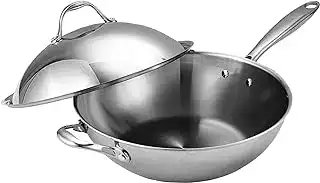 | Cooks Standard Stainless Steel Multi-Ply Clad Wok, 13" with High Dome lid, Silver |
Comparing Common Wok Materials
Your choice of material affects way more than just weight. It also changes how quickly the pan heats up and what kind of upkeep it needs. Let's break down the most popular options.
- Carbon Steel: This is the OG, the traditional choice, and the most popular material for a good reason. It heats up and cools down in a flash, giving you incredible control over the temperature. It's also pretty lightweight, which makes a 12 or 14-inch model feel totally manageable for most home cooks.
- Cast Iron: Famous for its incredible heat retention, a cast iron wok stays searing hot even when you drop in a bunch of cold ingredients. The trade-off? It’s seriously heavy. A 14-inch cast iron wok can easily weigh over 10 pounds, which is a big reason why many people opt for a smaller 12-inch size just to make it easier to handle. You can learn more in our detailed comparison of cast iron versus carbon steel woks.
- Stainless Steel: These woks are often built with a core of aluminum or copper to help them conduct heat better. They're durable and you don't have to season them, which is a plus. The downside is that food tends to stick, and they don’t hold heat quite as well as cast iron. Some newer versions have improved surfaces; if you're interested, this guide to titanium non-stick cookware is a great resource.
The Material-Size Connection: A heavier material like cast iron might push you toward a smaller, more practical size (like 12 inches). On the flip side, a lightweight material like carbon steel makes a larger 14-inch wok feel nimble and easy to use.
At the end of the day, you have to balance the cooking performance you want with the physical reality of using the pan. If the thought of heaving a heavy wok on and off the stove makes you groan, a larger carbon steel model will serve you far better than a smaller, heavier cast iron one.
Thinking About Your Cooking Style and Kitchen Space
Beyond just counting heads, the way you cook is a huge factor in finding the right wok. The perfect wok should feel like a natural extension of your arm, not a clumsy piece of equipment you're fighting with. So, what's on your dream menu?
If your weeknights are all about lightning-fast stir-fries for one or two, a nimble 12-inch wok is going to be your new best friend. It heats up in a flash and is incredibly responsive, letting you toss and flip ingredients with a simple flick of the wrist. It's the ideal partner for a quick pad thai or a simple veggie side dish.
Matching the Wok to Your Favorite Dishes
But what if you've got bigger plans? If you dream of more than just a quick stir-fry, you're going to need more room to play. A larger wok opens up a whole universe of cooking techniques.
- Deep-Frying: A 14 or 16-inch wok is your ticket to crispy perfection. Its deep, sloping sides give you the volume you need to safely deep-fry tempura or spring rolls without oil splattering all over your stovetop.
- Steaming: Want to steam a whole fish or a big batch of dumplings? A bigger wok easily fits a steaming rack and a lid, turning it into a surprisingly versatile steamer.
- Big Batches: If you're the type to cook up a mountain of fried rice for guests or meal prep for the week, the extra real estate of a 14-inch (or larger) wok is non-negotiable. It prevents overcrowding and makes sure everything cooks evenly.
Think of it this way: a 12-inch wok is like a sports car—quick, agile, and perfect for specific jobs. A 14-inch wok is more like an SUV—versatile, spacious, and ready for pretty much any culinary road trip you can imagine.
Don’t Forget About Storage
Just as important as how you'll cook with it is where the wok will live when you're not. A wok, especially a 14 or 16-inch model with a long handle, can be an absolute beast to store in a small kitchen. It’s a classic mistake that leads to cluttered cabinets and a lot of frustration.
Before you fall in love with a size, grab a tape measure and scout out your kitchen. Do you have a cabinet or pantry where it will fit comfortably? Could you hang it from a pot rack? A wok without a home quickly becomes an annoyance instead of a joy. Making sure you have a practical spot for it will make you that much more likely to reach for it again and again.
Making Your Final Wok Size Decision
Alright, we've walked through how your household size, your stove type, and what you love to cook all point toward your perfect wok. Now it's time to tie it all together and pick your pan with confidence. It’s less complicated than it sounds—think of it as finally finding the right tool for your kitchen toolbox.
Let's make this real. A family of four with a classic gas stove who dreams of whipping up amazing stir-fries will be happiest with a 14-inch, round-bottom carbon steel wok. But a couple with a modern glass cooktop who just needs to make quick, easy meals? They’ll do much better with a nimble 12-inch flat-bottom wok.
This decision tree gives you a great visual for how to get from your kitchen setup to the right wok for you.

The flowchart just confirms what we've been saying: your personal cooking habits and the realities of your kitchen are the last, most important filters in this decision.
Bringing It All Together
So, what size wok do I need? The answer is all about balancing these different pieces.
For the vast majority of home cooks, the 12 to 14-inch range is the sweet spot. It offers a fantastic blend of capacity and pure usability that’s tough to beat. If you want to dive deeper into specific models and their features, checking out examples like those on this dedicated page about the Taco Wok can offer some valuable real-world perspective.
You now have everything you need to choose a wok that won't just be another pan collecting dust. It'll be a beloved, essential tool for creating countless incredible meals for years to come.
 | T-fal Ultimate Hard Anodized Nonstick Wok 14 Inch Cookware, Pots and Pans, Dishwasher Safe Black |
Got Questions About Wok Sizes? Let's Clear Things Up.
Even after you've weighed all the options, a few last-minute questions always seem to pop up before you pull the trigger. That’s perfectly normal. Getting straight answers to these common head-scratchers can give you the confidence that you’re picking a wok you’ll be happy with for years to come.
So, let's dive into some of the most frequent things people ask when they're on the hunt for the right wok.
Is a 14-Inch Wok Too Big for One Person?
This is a great question. While a 14-inch wok might feel like overkill for a single serving, its size is actually a huge advantage. All that extra space gives you room to toss and flip ingredients freely without sending them flying across your stovetop—which is crucial for getting that perfect stir-fry texture and wok hei.
Now, if you only ever cook for yourself and your kitchen storage is seriously tight, a 12-inch wok could be a more practical fit. But for anyone who occasionally has guests over or likes to meal prep for the week, a 14-inch wok is the ideal all-rounder that you won't outgrow.
Do I Need a Lid for My Wok?
For the fast-and-furious action of high-heat stir-frying, a lid isn't strictly necessary. But is it useful? Absolutely. A lid completely opens up your wok's potential, turning it into a tool for steaming dumplings, braising meats, or just keeping a finished dish warm.
A lid has to match the wok's diameter perfectly to form a good seal. Make your size decision based on servings and your stove first. Then, if you decide you want a lid, grab one that’s made for the wok you chose. Luckily, many woks are sold as a set with a matching lid.
What Is the Difference Between a Cantonese and a Mandarin Wok?
It all comes down to the handles. A Mandarin-style wok features one long handle, just like a skillet. This design is built for the classic stir-fry toss, letting you flip ingredients with a flick of the wrist.
On the other hand, a Cantonese-style wok has two small, looped handles on opposite sides. This setup is much better for lifting a heavy, full wok, making it easier to carry from the stove to the table. For most home cooks, the long handle on a Mandarin wok feels more intuitive for the hands-on nature of stir-frying.
How Do I Measure a Wok to Confirm Its Size?
Good question—it’s not always obvious. To get the correct measurement, grab a tape measure and stretch it across the top opening of the wok, from the inside rim on one side to the inside rim on the other. Make sure you're measuring at the widest point.
This number is the wok's official diameter, and it's the size manufacturers list on the box (e.g., a 12-inch or 14-inch wok). Just be sure you aren't measuring the flat bottom or including the handles in your measurement.
At Cookware Review Hub, we live and breathe kitchen gear so you can make smarter purchases. Dive into our in-depth guides and find the perfect tools for your culinary adventures. Check us out at https://www.cookwarereviewhub.com.


