
Now loading...
The Ultimate Guide to Choosing the Best Air Fryers for Healthier Cooking
Air fryers have quickly become a kitchen staple for health-conscious individuals looking to enjoy crispy foods without the guilt of traditional frying. These appliances use hot air circulation to cook food, which means you can achieve the crunchiness of fried favorites with significantly less oil and fewer calories. If you’re in the market for an air fryer, there are several factors to consider to find the best appliance for your needs.
Now loading...
1. Types of Air Fryers
Air fryers come in various designs and functionalities, each catering to different cooking preferences.
1.1. Basket Air Fryers
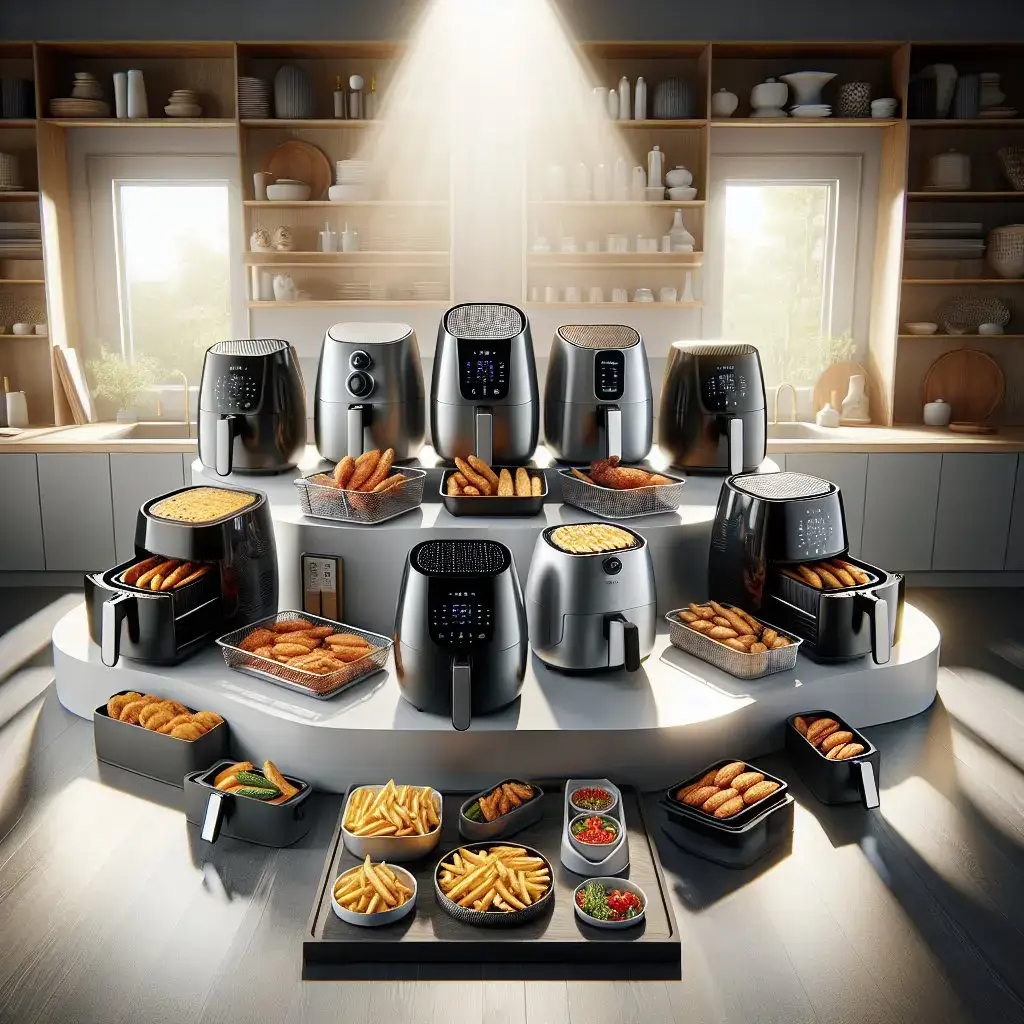
The most common type of air fryer, basket models feature a pull-out basket for cooking. These units are straightforward and often come with simple controls, making them user-friendly. They are ideal for small to medium-sized batches of food.
1.2. Oven Air Fryers
Oven-style air fryers often have a larger cooking capacity and include multiple racks. They enable users to cook multiple dishes simultaneously and can replace other kitchen appliances like toasters or dehydrators.
1.3. Multi-Functional Air Fryers
These models may also function as pressure cookers, slow cookers, or even steamers. They offer versatility for culinary enthusiasts who appreciate multifunctionality.
2. Size and Capacity
When choosing an air fryer, consider the size and capacity based on your cooking habits.
2.1. Size
Air fryers vary in size, so choose one that fits comfortably on your countertop without overcrowding your kitchen. Standard appliances range from compact versions (about 2 quarts) to larger models (up to 10 quarts).
2.2. Capacity
The capacity you need depends largely on how many people you typically cook for. For individuals or couples, 2 to 4-quart air fryers may suffice, while families often prefer 5-quart models or larger to prepare enough food in one batch.
3. Power and Performance
A powerful air fryer ensures faster cooking times and efficient results.
3.1. Wattage
Air fryers typically range from 800 watts to 2000 watts. Higher wattage means quicker preheating and cooking, which can save you time, especially when preparing large meals.
3.2. Cooking Technology
Some air fryers come with advanced technology like rapid air circulation, ensuring even cooking. Look for features like temperature control settings and pre-set cooking programs for additional convenience.
4. Material and Build Quality
The material and build quality significantly influence an air fryer’s durability and performance.
4.1. Non-stick Coating
Most air fryers come with a non-stick coating, which prevents food from sticking. However, opting for models with PFOA-free or ceramic coatings can be healthier and safer.
4.2. Construction
Stainless steel options offer higher durability and are often more aesthetically pleasing, while plastic-bodied models may be lighter and more affordable. Choose a design that fits your kitchen’s style and your personal preference for durability.
5. Ease of Use
An air fryer should simplify your cooking experience.
5.1. Controls and Interface
Look for intuitively designed controls, whether they are analog dials or touchscreens. Clear labeling and easy-to-use interfaces make for a satisfying cooking experience.
5.2. Cleaning Convenience
Check if the air fryer basket and other removable parts are dishwasher-safe; this feature can save you time and worrying about the cleanup process. Non-stick materials often make manual cleaning easier.
6. Safety Features
Safety should never be overlooked when choosing kitchen equipment.
6.1. Automatic Shut-off
This feature turns the appliance off once the cooking time is completed, preventing overcooking and safeguarding against fire hazards.
6.2. Cool Touch Housing
Models with cool-touch handles minimize the risk of burns, making the appliance safer to use, especially in households with children.
7. Price Range
Air fryers come in a wide range of prices, typically starting from $50 to over $300.
7.1. Budget Models
Although they may lack advanced features, budget-friendly air fryers can still perform well for basic cooking.
7.2. Premium Models
Investing in a premium air fryer often means you gain advanced features like smart technology, higher capacity, and greater versatility.
8. Brand Reputation and Warranty
Selecting a reputable brand can ensure you’re getting a quality product.
8.1. Customer Reviews
Research customer feedback to gauge performance, durability, and satisfaction. Instantly available platforms like Amazon or specialized kitchen appliance websites can offer valuable insights.
8.2. Warranty
Check if the air fryer comes with a warranty. Reliable brands often provide longer warranties, indicative of their confidence in the product’s longevity.
9. Cooking Functions
Consider the variety of cooking functions available.
9.1. Pre-set Cooking Programs
Many modern air fryers include pre-set programs for foods like fries, chicken, or fish, which simplifies the cooking process.
9.2. Temperature and Time Settings
The ability to manually adjust time and temperature gives you greater control, allowing for more precise cooking for specific recipes.
10. Accessories and Extras
Some air fryers come with additional accessories, enhancing their functionality.

10.1. Cooking Accessories
Look for air fryers that include baking pans, racks, or skewers, which can expand what you can prepare.
10.2. Recipe Booklet
Having a recipe booklet can inspire new meal ideas and help you get started on using the air fryer more effectively.
FAQ Section
Q1: Can you really fry food without oil in an air fryer?
Yes, air fryers use hot air circulation to create a crispy exterior, allowing you to enjoy fried foods with less or no oil.
Q2: Is food cooked in an air fryer healthier?
Cooking with an air fryer can reduce the fat content of foods compared to traditional frying methods, promoting a healthier eating approach.
Q3: How do you clean an air fryer?
The removable basket and parts can generally be washed in the dishwasher or with warm soapy water.
Q4: Can you re-heat food in an air fryer?
Absolutely! Air fryers excel at reheating leftover foods, retaining their texture without making them soggy.
Q5: Do air fryers emit acrylamide?
While air frying produces less acrylamide than traditional frying, it’s still important to not overcook starchy foods to mitigate this risk.
11. Popular Air Fryer Models
11.1. Philips XXL Air Fryer
Known for its larger capacity and advanced technology, the Philips XXL is an excellent choice for families.
11.2. Ninja Foodi Dual Zone
Combining air frying with pressure cooking, the Ninja Foodi offers unrivaled versatility, allowing for the preparation of diverse meals.
11.3. Cosori Air Fryer Max XL
This affordable model is favored for its user-friendly interface and consistent performance, making it a popular pick among casual cooks.
12. Tips for Optimal Use
12.1. Preheat Your Air Fryer
Preheating the appliance helps achieve the best crispiness by ensuring consistent cooking temperatures.
12.2. Avoid Overcrowding
Leave space between food items to ensure proper air circulation for even cooking.
12.3. Use a Light Spray of Oil
While not necessary, a quick spritz of oil can enhance browning without significantly increasing calorie content.
12.4. Shake or Turn Food
For the best results, shake the basket or turn over food halfway through cooking to achieve an even texture.
13. Top Cooking Tips
13.1. Experiment with Different Foods
Explore various foods to maximize the use of your air fryer; vegetables, meats, and even desserts can be successfully prepared.
13.2. Use Seasonings
Don’t shy away from spices and seasonings. Adding flavor prior to cooking can elevate your meals and enhance the overall taste experience.
13.3. Monitor Cooking Times
Since air frying times can differ from traditional methods, keep an eye on your food to prevent overcooking.
14. FAQs about Health Benefits
Q1: Does air frying reduce calories?
Air frying significantly lowers the amount of added fats and oils compared to deep frying, resulting in fewer calories.
Q2: Are air fryers versatile?
Absolutely! Air fryers can bake, roast, grill, and reheat, making them versatile tools in the kitchen.
Q3: Can you cook frozen foods in an air fryer?
Frozen foods can cook straight from the freezer, making air fryers convenient for quick meals.
15. Frequently Encountered Problems
15.1. Uneven Cooking
If food cooks unevenly, make sure not to overcrowd the basket and shake or rearrange items during cooking.
15.2. Smoky Air Fryer
If your air fryer emits smoke, it may be caused by excess oil or food residue. Regular cleaning can mitigate this problem.
15.3. Food Sticking to the Basket
Using a little oil can help prevent food from sticking, as well as choosing air fryers with quality non-stick coatings.
16. Air Fryer vs. Traditional Frying
The distinct differences between air frying and traditional frying can make a significant impact on your health.
16.1. Fat Content
Traditional frying requires large amounts of oil, while air frying can minimize fat content drastically.
16.2. Cooking Time
Air fryers generally cook foods faster than traditional methods, also offering crispy results without the need for long prep times.
17. Final Considerations
Selecting the best air fryer requires thoughtful consideration of your cooking habits, dietary goals, and kitchen space. With an abundance of models on the market, understanding the features and functionalities can lead you to find the air fryer that aligns with your healthy cooking aspirations. Prioritize your needs, weigh the pros and cons, and consider the impact of this appliance on your overall lifestyle choices.