Now loading...
Understanding the Wok
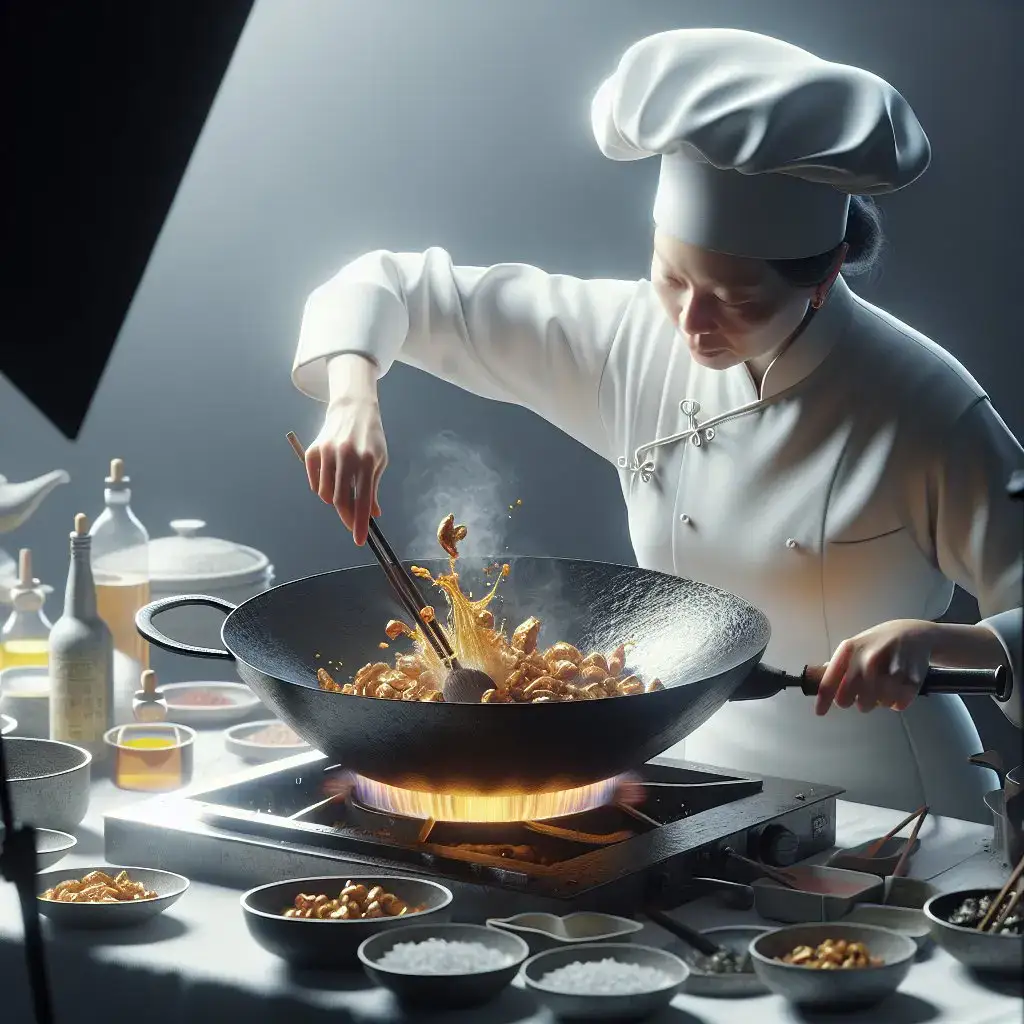
At the heart of Cantonese cuisine lies the wok, a versatile cooking vessel that has stood the test of time. This round-bottomed pan, typically made from carbon steel or cast iron, distributes heat evenly, allowing for quick cooking at high temperatures. Understanding its construction is fundamental; a well-seasoned wok imparts a unique flavor profile known as “wok hei” or “breath of the wok,” an essential element in Cantonese cooking.
Now loading...
Types of Woks
- Carbon Steel Wok: Lightweight and responsive, ideal for stir-frying.
- Cast Iron Wok: Heavier and retains heat well, beneficial for deep-frying.
- Non-Stick Wok: Convenient for beginners; however, it may miss out on authentic flavors.
Wok Accessories
Investing in the right tools enhances your cooking experience. Essential accessories include:
- Wok Lid: Essential for steaming and simmering.
- Spatula: A long-handled wooden or bamboo spatula is ideal for tossing and frying.
- Lifter: Used for flipping food or removing it from the pan.
Key Ingredients in Cantonese Cooking
Cantonese cuisine prides itself on using fresh, high-quality ingredients. Understanding these staples is vital for mastering wok cooking.
Fresh Vegetables
Common vegetables include:
- Bok Choy: A vibrant leafy green that adds color and flavor.
- Chinese Eggplant: Soft and creamy texture, suitable for stir-fries.
- Snow Peas: Add a sweet crunch and vibrant green color.
Proteins
Typical proteins used are:
- Chicken: A versatile meat that absorbs flavors well.
- Pork: Often used in char siu, or barbecued pork.
- Seafood: Fresh fish and shrimp are staples, highlighting the coastal influences of Cantonese cuisine.
Flavor Enhancers
Cantonese dishes are known for their umami flavors, which come from ingredients like:
- Soy Sauce: A fundamental seasoning for depth.
- Oyster Sauce: Adds sweetness and richness.
- Sesame Oil: Used as a finishing oil for its aromatic properties.
Aromatics
Aromatics such as garlic, ginger, and scallions serve as the base of many dishes. Properly preparing these ingredients can drastically impact the overall flavor.
Mastering Cooking Techniques
Stir-Frying
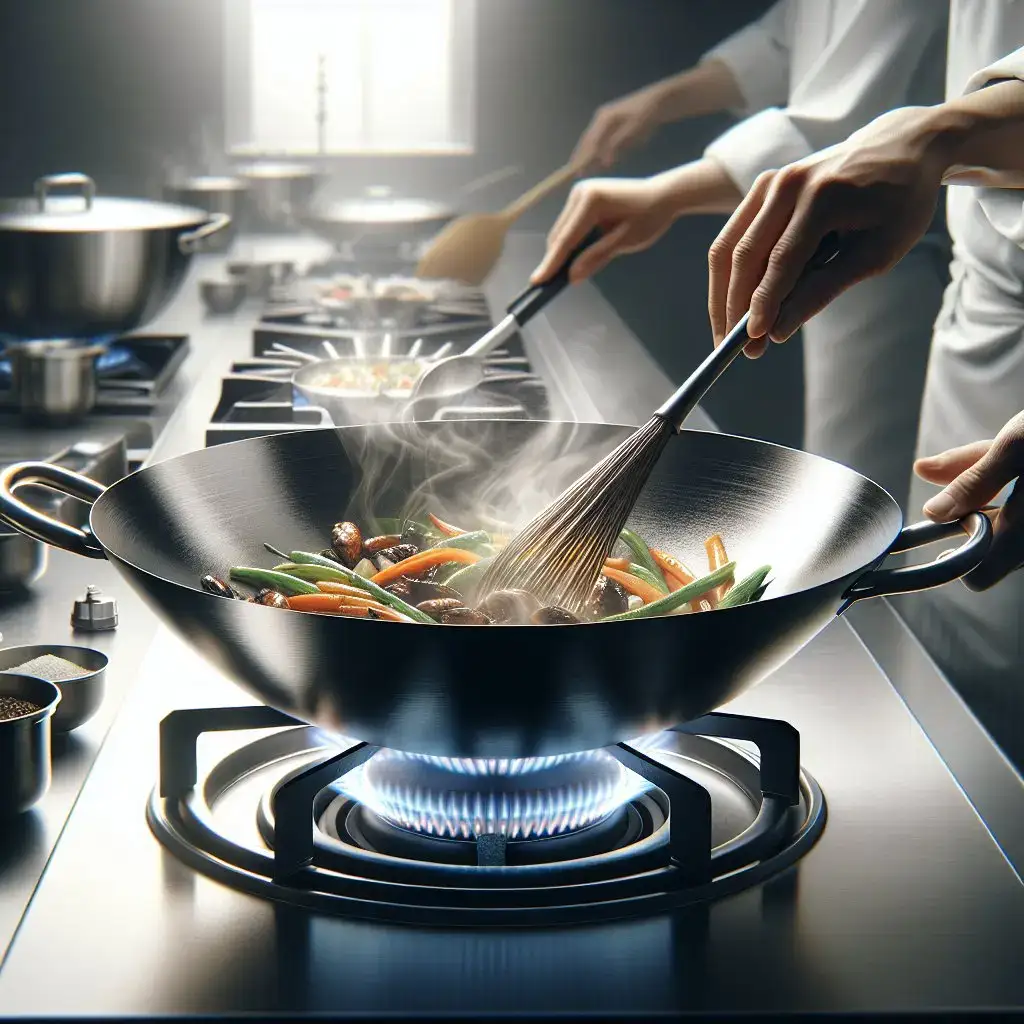
The quintessential Cantonese cooking method, stir-frying requires quick, high-heat cooking. The key is to prepare all ingredients before turning on the heat to minimize cooking time.
- Heat the Wok: Preheat the wok until it is smoking to ensure a good sear on ingredients.
- Add Oil: Use a high-smoke point oil such as peanut or canola oil; add aromatics immediately to infuse the oil’s flavor.
- Add Proteins: Cook proteins first until they are browned. Remove and set aside.
- Incorporate Vegetables: Start with firm vegetables and finish with delicate greens.
- Sauce it Up: Add sauces towards the end to avoid overcooking.
Steaming
Steaming is a traditional technique that retains nutrients and enhances natural flavors. Bamboo steamers are commonly used in Cantonese kitchens.
- Preparation: Arrange food in the steamer in a single layer for even cooking.
- Boil Water: Ensure water is boiling before placing the steamer over it.
- Timing: Cooking times vary; fish generally takes 7-10 minutes, while dumplings may take 10-15 minutes.
Deep-Frying
Deep-frying gives dishes a crispy texture that is integral to Cantonese cooking.
- Wok Preparation: Fill the wok with oil—enough for deep-frying, typically around 3 inches deep.
- Heat Control: The oil must reach approximately 350°F-375°F for optimal frying.
- Batter and Breading: Ensure food is dry before battering to achieve a crispy coat.
Braising
Braising is used for tougher cuts of meat, allowing flavors to meld and tenderizing the meat beautifully.
- Sear the Meat: Brown the meat before adding liquids to lock in flavors.
- Add Liquid: Combine sauces, stock, or wine, allowing the meat to simmer until tender.
- Finishing Touch: Thicken the braising liquid at the end for a glossy sauce.
Essential Cantonese Dishes
Char Siu (Barbecue Pork)
Char siu is a staple in Cantonese cuisine, known for its sweet, smoky flavor. It involves marinating pork in a mixture of hoisin sauce, honey, and five-spice powder, then roasting it until caramelized.
Wonton Noodle Soup
This comforting dish combines delicate wontons made from thin dough filled with shrimp and pork, served on a bed of noodles in savory broth.
Sweet and Sour Pork
A fantastic balance of tart and sweet, this dish features crispy pork coated in a tangy sauce made from pineapple juice, vinegar, and ketchup.
Stir-Fried Beef with Broccoli
A classic dish characterized by tender beef and crisp broccoli in an umami-packed sauce. This dish epitomizes the harmony of textures and flavors in Cantonese cooking.
Tips for Mastering Cantonese Wok Cooking
Seasoning Your Wok
Regularly seasoning your wok enhances its non-stick properties and flavor. After cooking, clean it with hot water and wipe it dry before applying a thin layer of oil.
Practice Mise en Place
Having all ingredients prepped and ready helps maintain focus and speeds up your cooking process. This practice ensures you do not overcook ingredients while scrambling to chop or measure.
Embrace the Art of Tasting
Cantonese cuisine emphasizes balance. Regularly taste your dishes and adjust flavors with seasonings, as this is the cornerstone of creating delicious meals.
Learn from the Masters
Watching skilled chefs and practicing traditional techniques helps build confidence in your cooking. Countless resources, including cooking shows and online classes, can guide you.
Experiment with Ingredients
As you gain proficiency, don’t shy away from experimenting. Try different vegetables or proteins to find unique flavor combinations that reflect your personal culinary style while staying true to Cantonese roots.
Incorporating Modern Trends
While traditional techniques form the foundation of Cantonese wok cooking, modern culinary trends provide opportunities for innovation. Explore plant-based options or global flavors while respecting the authentic essence of Cantonese cuisine. For example, cauliflower rice can replace traditional rice in fried rice dishes, appealing to health-conscious diners.
By absorbing these principles, flavors, and techniques, you’ll develop the skills necessary to create authentic Cantonese dishes, mastering the art of wok cooking as it has been practiced for generations. The journey is as delicious as the destination; each stir-fry, steam, and braise contributes to your culinary growth.