Finding a crusty, orange-flecked skillet tucked away in a cabinet or at a flea market might seem like a lost cause. But trust me, learning how to restore rusty cast iron cookware is a surprisingly simple process that can turn a forgotten piece into a kitchen superstar.
Now loading...
The whole method boils down to stripping off the old rust and gunk, getting the pan back to its raw metal, and then laying down a fresh layer of seasoning. With a bit of elbow grease, that pan isn't just salvageable—it can be better than you ever imagined.
Now loading...
Why Your Rusty Cast Iron Is Worth Saving
 | KUHA Cast Iron Aebleskiver Pan for Authentic Danish Stuffed Pancakes - Complete with Bamboo Skewers, Silicone Handle and Oven Mitt |

That forgotten, rusty skillet isn't trash. Think of it as an opportunity waiting to be seized. Before we get into the nitty-gritty of restoration, it’s worth understanding why this project is so incredibly rewarding. Cast iron is tough as nails; rust is almost always just a surface-level issue, not a death sentence for your pan.
Bringing old cookware back to life connects you to a more sustainable way of cooking. The effort is a solid investment, transforming what looks like junk into a beautiful, highly functional kitchen tool.
The Value Beyond the Surface
Restoring a cast iron pan is so much more than a cleaning project. It’s an act of preservation. Maybe you're saving a priceless family heirloom passed down through generations, or maybe you're just giving a thrift-store find a second chance at life. Either way, each restored pan carries a story and a character that brand-new cookware just can't replicate.
Here's a little secret: a properly restored vintage pan often cooks better than a new one right off the shelf. Many older skillets, especially those made before the 1950s, have a smoother, milled cooking surface that modern manufacturing has mostly abandoned. Once you restore and season these pans, they develop an exceptionally non-stick surface that only gets better with every meal.
The real magic of cast iron is its sheer longevity. Unlike modern non-stick pans with a limited lifespan, a well-cared-for cast iron skillet can literally last for centuries, passed from one generation to the next.
An Economical and Sustainable Choice
There's a growing movement around restoring cast iron, and for good reason. The global cast iron cookware market, valued at USD 4,431.5 million, is expected to climb to USD 7,372.6 million by 2030. A huge chunk of annual sales, about 25-30%, comes from people replacing pieces that could have been easily restored.
By choosing to restore, you're not just saving money—new pans can cost 20-50% more—you're also making a smart, eco-friendly decision to cut down on waste. You can dig into more of these market trends and research about cast iron cookware if you're curious.
This process sets your pan up for decades of reliable use, ensuring your efforts pay dividends every time you step up to the stove. It’s a practical skill that connects you to the history of your cookware and gives you the power to maintain your kitchen tools for a lifetime of delicious meals.
First, Assess the Damage and Gather Your Supplies
Before you can bring that rusty old skillet back to life, you need a solid game plan. Every good restoration starts with a proper diagnosis. Not all rust is created equal, and the path you take depends entirely on how far gone your pan is.
Get your cookware under some good light and take a close look. Is the rust just a light, dusty orange film that wipes off on your finger? That's surface rust, my friend. It’s usually caused by a little humidity or not drying the pan perfectly, and it’s the easiest fix of all.
But what if you see darker, thicker patches and feel a rough texture? Now you're dealing with more established rust. It's going to take a bit more elbow grease to tackle.
The most serious state is deep, pitted corrosion. This is when it looks like the metal itself has been eaten away, leaving behind tiny craters and a scaly, rough surface. It looks intimidating, but even a pitted pan is almost always salvageable—it just demands a more intensive approach.
Distinguishing Between Rust Levels
Knowing how bad the rust is helps you choose the right tools for the job. You don’t want to break out the heavy artillery for a simple dusting of surface rust, and you definitely don't want to waste hours scrubbing a deeply corroded pan with a method that won't make a dent.
To help you figure out what you're up against, I've put together a quick reference table. It's a simple way to match what you're seeing on your pan to the best restoration method.
| Rust Severity and Recommended Action |
| :— | :— | :— |
| Rust Level | Visual Cues | Recommended Restoration Method |
| Light Surface Rust | A fine, orange-colored powder. Feels slightly gritty to the touch. | A good scrub with steel wool and some soapy water is usually enough. |
| Moderate Rust | Darker, concentrated patches of orange and brown. Surface feels noticeably rough. | A 50/50 soak in white vinegar and water, followed by scrubbing. |
| Severe Rust & Pitting | Dark brown or nearly black rust. Visible pockmarks or pits in the iron. | Chemical methods (like a lye bath) or electrolysis are your best bet. |
Use this as your starting point. Properly identifying the problem is half the battle won, and it sets you up for a successful restoration without wasted time or effort.
Your Restoration Toolkit Checklist
 | Cuisinel Cast Iron Skillets Set - Pre-Seasoned 2-Piece Pan: 10" + 12"-Inch + 2 Heat-Resistant Silicone Handle Covers - Dual Handle Helpers - Oven Safe Cookware - Indoor/Outdoor, Grill, Stovetop Safe |
Once you've sized up the rust, it's time to gather your supplies. Trust me, having everything laid out and ready to go makes the whole process smoother. For any project around the house, finding a comprehensive source for all your DIY project needs can be a real time-saver.
For most cast iron restorations, you'll need a mix of the items below.
Basic Supplies for All Levels:
- Protective Gear: Don't skip this. At a minimum, grab heavy-duty rubber gloves and some eye protection.
- Scrubbing Tools: Stainless steel wool, chainmail scrubbers, or stiff-bristled brushes are your best friends here.
- Clean Cloths: Old lint-free t-shirts or shop towels are perfect for drying and oiling.
Supplies for Moderate to Severe Rust:
- White Vinegar: The acetic acid is fantastic for breaking down rust. You'll want enough to submerge the rusty parts.
- Baking Soda: Great for neutralizing the vinegar after a soak and giving the pan one final scrub.
- A Tub or Bucket: Make sure it’s big enough for your pan to lie flat and be completely submerged.
It’s also crucial to remember that restoring traditional, bare cast iron is a completely different world from caring for its modern cousins. For those who own different types of cookware, you'll want to properly handle enameled cast iron cookware to avoid chipping or damaging that beautiful finish.
Once you have your gear ready, you're all set to get your hands dirty and start the real work.
Your Battle Plan for Rust Removal
Alright, now for the fun part: stripping that old skillet down to the bare metal. Once you’ve figured out how bad the rust is and have your gear ready, it's time to pick your weapon. Think of this as getting your pan back to a blank canvas—raw, gray iron, ready for a whole new life.
I’m going to walk you through three different approaches, and each one is suited for a different level of rust and how much work you want to put in. The key is to match the method to your pan's condition. That way, you'll work smarter, not harder, and get the best possible results.
This simple workflow helps visualize the decision-making process for your rust removal project.

Starting with a clear evaluation of the rust allows you to choose the most effective method and gather the specific tools you'll need for the job.
The Elbow Grease Method for Light Rust
If your pan just has a bit of surface rust—that fine, orange powder you can practically wipe off—a little physical effort is usually all it takes. This is the least aggressive method and is perfect for a quick touch-up.
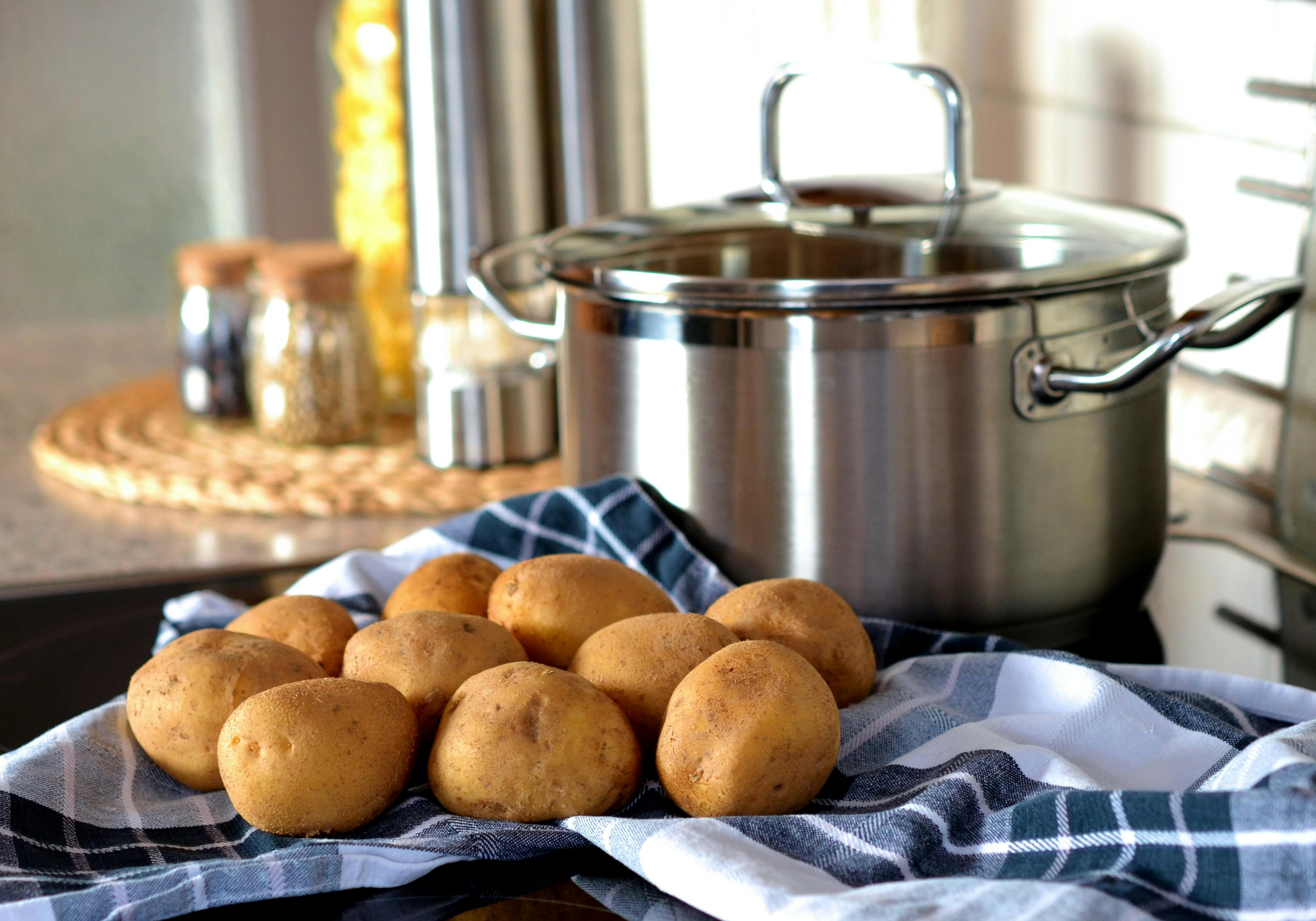
Grab some coarse salt (kosher salt works great) and cut a potato in half. The starch from the potato mixes with the salt to create a surprisingly effective, rust-lifting paste. Just sprinkle a generous amount of salt into the pan and use the cut side of the potato to scrub in circles.
- Why it works: The salt is a mild abrasive that scours away the rust without gouging the iron.
- The process: Scrub for a few minutes with firm pressure. You'll see the salt turn a dirty, rusty brown. Rinse the pan out with hot water and do it again if you still see any orange spots.
After you're done, give the skillet a quick wash with a little soap and water. Then, and this is crucial, dry it completely immediately. Bare iron will get "flash rust"—a new layer of rust that forms almost instantly on damp metal.
The Vinegar Soak for Stubborn Rust
When you’re dealing with more serious rust patches that just laugh at your scrubbing attempts, a vinegar soak is your next best bet. The acetic acid in plain old white vinegar is a champ at dissolving rust, but you have to keep an eye on it.
Mix up a solution of 50% white vinegar and 50% water in a tub or sink big enough to completely submerge your pan. Let the pan soak, but don't just set a timer and walk away.
Check on the pan every 30 to 60 minutes. Leaving cast iron in an acid bath for too long can actually damage the iron itself, causing pitting. This method is powerful, but it demands your attention.
Once it's soaked for a bit, pull the pan out and hit it with some steel wool or a wire brush. The rust should come off much more easily now. To neutralize any remaining acid, make a quick paste of baking soda and water, give the pan a final scrub with it, and then rinse it thoroughly.
Heavy-Duty Chemical and Electrical Solutions
For the really tough jobs—we're talking thick, scaly rust and years of black, caked-on gunk—it's time to bring out the big guns. Two methods stand out for being incredibly effective: lye-based cleaners and electrolysis.
A lye-based oven cleaner (check the can to make sure it contains sodium hydroxide) is a potent chemical stripper. Find a well-ventilated spot, preferably outside, and spray the pan down generously. Then, seal it up in a heavy-duty plastic garbage bag and let it sit for 24-48 hours. When you open it, the old seasoning and rust will have turned into a gooey sludge that you can scrub right off. Safety is paramount here: always wear gloves and eye protection. Lye is no joke.
This method is a favorite in the cast iron community. In fact, the residential segment drives 39% of the cast iron market as home cooks rediscover these vintage pieces. With rust impacting 40-50% of pans stored in humid homes annually, effective restoration is key. A lye-based oven cleaner can lift 85% of rust and seasoning in about two hours, making it an efficient choice.
Now, for the true restoration nerd, an electrolysis tank is the ultimate tool. It uses a low-voltage electrical current to literally reverse the rusting process, lifting rust and crud right off the pan with zero scrubbing.
- Setup: You'll need a plastic tub, a manual car battery charger, washing soda (not baking soda), and some sacrificial steel anodes, like pieces of rebar.
- Process: The pan becomes the cathode in a simple circuit, and the current pulls rust particles off the cookware and onto the anodes.
- Results: After 12-24 hours, the pan emerges completely stripped down to bare metal, often looking like it just came from the foundry.
While the principles of corrosion removal are similar across different materials, the application varies. This guide on strategies for removing rust stains from a boat, for instance, offers some interesting insights into dealing with persistent corrosion, even if it's not about cookware.
No matter which path you choose, the goal is the same: to get your cookware back to its original, unadorned state. Once you see that smooth, gray iron, you're ready for the final—and most crucial—step in learning how to restore rusty cast iron cookware: seasoning.
Mastering the Art of Seasoning
 | Staub Cast Iron 7-qt Oval Cocotte - White Truffle, Made in France |

Now that the rust is gone, your skillet is back to its raw, vulnerable state. This is the most crucial part of the whole restoration process—transforming that bare metal into the durable, non-stick cooking surface cast iron is famous for. This is called seasoning, and it's the real secret behind your pan's performance.
Seasoning isn't just wiping some oil on a pan. It's a fascinating bit of kitchen chemistry known as polymerization. When you apply a very thin layer of fat to the iron and heat it past its smoke point, the fat molecules literally break down, reorganize, and bond to the metal. This creates a hard, slick, natural coating that becomes your non-stick surface.
This isn't a one-and-done deal. Think of it as laying down the foundation for a surface that will only get better with every meal you cook on it.
Preparing for the First Coat
Before a drop of oil touches that pan, it needs to be perfectly clean and bone-dry. After its final rinse from the rust removal, give it one last quick wash with warm, soapy water to get rid of any lingering residue or metal dust.
Now for the most important prep step: getting it completely dry to prevent flash rust. This is that frustrating orange film that can appear on bare iron in a matter of minutes. Just pop your skillet into a 200°F oven for about 10 minutes or heat it gently on the stovetop. This forces every last bit of moisture to evaporate, leaving the iron's pores open and ready to accept the seasoning oil.
Choosing the Right Oil for the Job
Not all oils are created equal when it comes to seasoning. You're looking for an oil with a good balance of unsaturated fats, which are the key to effective polymerization. While almost any cooking fat will technically work, some create a far more durable and less sticky finish than others.
A few of the most popular choices include:
- Grapeseed Oil: A favorite among cast iron enthusiasts for its high smoke point and its ability to form a hard, slick layer.
- Canola or Vegetable Oil: They're inexpensive, easy to find, and highly effective. They create a reliable seasoning without any fuss.
- Flaxseed Oil: Often hailed as the "ultimate" seasoning oil because it creates an incredibly hard finish, but it's pricey and can be prone to flaking if not applied perfectly.
A quick tip from experience: Avoid using oils with very low smoke points, like extra virgin olive oil, for this initial high-heat seasoning. While they're great for cooking, they'll smoke like crazy in the oven and can create a soft, sticky coating.
Comparison of Common Seasoning Oils
Picking an oil can feel overwhelming, but it really comes down to balancing performance, availability, and cost. This table breaks down the most common options to help you decide.
| Oil Type | Smoke Point (°F) | Polymerization Quality | Pros & Cons |
|---|---|---|---|
| Grapeseed Oil | 420°F | Excellent | Pros: Hard, durable finish. Neutral flavor. Cons: Can be more expensive. |
| Canola Oil | 400°F | Very Good | Pros: Cheap and widely available. Reliable results. Cons: Some prefer to avoid processed oils. |
| Flaxseed Oil | 225°F | Superior (Hardest) | Pros: Creates the hardest possible coating. Cons: Expensive, low smoke point, can be brittle and flake if done incorrectly. |
| Avocado Oil | 520°F | Good | Pros: Extremely high smoke point, neutral flavor. Cons: Very expensive for seasoning purposes. |
| Crisco (Vegetable Shortening) | 360°F | Good | Pros: The traditional choice, inexpensive, easy to apply. Cons: Lower smoke point, can sometimes result in a softer finish. |
Ultimately, there's no single "best" oil. Grapeseed and canola are fantastic, reliable starting points for almost everyone.
Applying and Baking Your Seasoning Layers
The golden rule of seasoning is to use an ultra-thin layer of oil. Applying too much is the number one mistake people make, and it's what leads to a sticky, blotchy, or uneven finish.
Start by pouring a tiny amount of your chosen oil into the warm pan—about a teaspoon is plenty. Using a lint-free cloth or paper towel, rub that oil into every single surface: inside, outside, the handle, the bottom. Everywhere.
Now, grab a fresh, clean cloth and wipe the pan down as if you're trying to remove all the oil you just applied. Seriously. It will look like nothing is left, but a microscopic layer remains. That's exactly what you want for a perfect seasoning coat. If you want to dive deeper, our guide on seasoning cast iron skillets offers even more tips.
Place the pan upside down on the middle rack of your oven. Set the temperature somewhere between 450-500°F, which is well above the smoke point for most common oils. Bake it for one hour. After the hour is up, just turn the oven off and let the pan cool down completely inside.
One coat is a start, but it's not enough. To build a truly durable, non-stick foundation, you need to repeat this entire process. Aim for at least three to five coats before you start cooking. It sounds tedious, but this initial time investment is what gives you a skillet that performs beautifully from day one.
Maintaining Your Restored Cookware for Life
You’ve done it. You stripped away all that rust and built up a beautiful, new layer of seasoning. The hard work is officially behind you, but keeping that pan in top shape is an ongoing journey. The goal now is to weave a few simple habits into your cooking routine to make sure rust never gets a foothold again.
Proper maintenance isn't some huge, time-consuming project. It’s all about the small, consistent things you do right after you cook. These little steps don't just prevent rust; they actively build upon your new seasoning, making your pan even more non-stick and durable over time. Do this right, and that restored skillet will become a kitchen workhorse you can pass down through generations.
The Right Way to Clean After Cooking
 | Amazon Basics Enameled Cast Iron Covered Dutch Oven, 6-Quart, Red |
The most critical moment for your cast iron happens right after you're done cooking. The secret is to clean the pan while it’s still warm—not scorching hot, but warm enough that food hasn't had a chance to bake on like concrete.
Your best friends here are hot water and a non-abrasive scraper or a stiff-bristled brush. For most everyday meals, a quick rinse and scrub under hot running water is all it takes to get the job done. This simple approach whisks away food bits without harming that precious seasoning you worked so hard to establish.
And yes, you can use a little soap. Contrary to the old myths, a drop of mild dish soap won’t destroy your well-established seasoning. Just be sure to avoid harsh detergents, abrasive scouring pads, and never, ever put your cast iron in the dishwasher. The intense heat and caustic chemicals in a dishwasher are a one-way ticket to a rusty, stripped pan.
The Maintenance Coat: A Simple but Vital Habit
After cleaning, this next step is arguably the most important one for preventing rust. You absolutely must dry your skillet completely and immediately. You can give it a good towel-dry, but the foolproof method is to pop it back on the stovetop over low heat for a couple of minutes. This zaps every last bit of moisture.
Once it's bone-dry and still warm to the touch, it's time for a quick maintenance coat of oil.
- Pour a tiny bit of your go-to cooking oil into the pan. Seriously, a half-teaspoon is usually plenty.
- Grab a paper towel or a dedicated rag and rub the oil all over the entire cooking surface.
- Then, with a clean section of the towel, wipe out the excess oil until the pan just has a dull sheen, not a greasy slick.
This micro-thin layer of fat creates a protective barrier against humidity and oxygen—the two things rust needs to form. The whole process takes less than a minute but makes all the difference. For a deeper dive, our comprehensive article on how to care for cast iron offers additional tips and techniques.
Think of the maintenance coat like waxing a car. It’s a simple, proactive step that shields the surface from the elements, preserving its integrity and appearance for the long haul.
Smart Storage to Prevent Humidity Issues
How and where you store your pan is just as important as how you clean it. The number one enemy during storage is trapped moisture. This is especially true if you live in a humid climate.
Whatever you do, don't store your pan with its lid on tight. This is a perfect recipe for trapping condensation and waking up to rust spots. A much better approach is to place a folded paper towel between the pan and the lid, which allows air to circulate. Storing your pans in a dry cabinet or hanging them from a pot rack are both fantastic options.
By turning these simple cleaning, drying, and storage steps into a regular habit, you're not just maintaining your pan—you're actively improving it. Each time you cook and apply that maintenance coat, you're adding another micro-layer to the seasoning, creating an even better, more resilient cooking surface. This is how a weekend restoration project becomes a cherished family heirloom.
Common Questions About Cast Iron Restoration
Even with a solid game plan, you're bound to have questions pop up. It's totally normal. Here are some of the most common ones I hear from folks tackling their first (or tenth) restoration project.
Can I Permanently Ruin My Cast Iron Pan?
Honestly, it's incredibly difficult. These things were built to survive for generations, and most mistakes are completely fixable.
The two main ways to cause real, irreversible damage are through thermal shock—like plunging a sizzling hot pan into a sink full of cold water, which can crack it—or leaving it to soak in a strong vinegar bath for way too long. That can actually eat into the metal and cause pitting.
Short of taking a sledgehammer to it, your pan can almost always be brought back from the brink. A bad or splotchy seasoning job? That’s not a failure. It’s just an opportunity to strip it down and start fresh.
Why Is My New Seasoning Sticky or Flaking?
This is, without a doubt, the most common frustration people run into, but the fix is usually simple.
A sticky, tacky surface is almost always caused by applying too much oil during seasoning. The real secret is to wipe the pan down after oiling it as if you were trying to wipe all the oil off. I mean it. What's left behind is a microscopic layer, and that’s what polymerizes perfectly.
Flaking, on the other hand, usually points to one of two things. The pan might not have been 100% clean and bone-dry before you started seasoning, which prevents the oil from forming a strong bond. Or, just like with stickiness, the oil was applied too thickly, creating a brittle layer that just chips off instead of a tough, durable one.
The fix for both is the same. Just grab some steel wool and scrub the pan to smooth out any sticky spots or knock off the flakes. After that, apply one or two new, super thin layers of seasoning in the oven to rebuild the surface.
How Many Layers of Seasoning Are Really Necessary?
When you’re starting with bare iron after a full restoration, I always aim for a minimum of three layers of seasoning. This gives you a solid, protective base you can start cooking with right away. It provides just enough of a buffer to protect the iron while you get going.
But don’t get obsessed with achieving that perfect, glossy, jet-black finish on day one.
The absolute best seasoning isn’t created in a single afternoon. It's built up over time, through cooking. Every time you fry bacon, sear a steak, or sauté some onions, you're adding to that pan's unique character and making it better. That's the real magic.
Is It Safe to Use a Very Old, Rusty Pan After Restoring It?
Absolutely, yes. The restoration process itself is a fantastic sterilizer. Whether you're using a lye bath, electrolysis, or the high heat of your oven during the seasoning cycles, you're effectively eliminating any lingering bacteria or old gunk.
Once the rust is gone and you’ve laid down a fresh, food-safe seasoning, that pan is perfectly safe to cook with.
The only time you'd ever need to be cautious is in the incredibly rare case that you suspect an antique piece was used for something other than food, like melting lead for bullets. For 99.9% of the old cookware you'll find, even pieces over a century old, it's completely safe once you know how to restore rusty cast iron cookware properly. You're not just saving a piece of history; you're gaining a fantastic tool for your kitchen.
At Cookware Review Hub, we're dedicated to helping you get the most out of your kitchen tools. For more expert guides, in-depth reviews, and tips on everything from woks to espresso machines, visit us at https://www.cookwarereviewhub.com.