Figuring out which cookware to buy really just boils down to three simple questions: What do you like to cook, what kind of stovetop do you have, and what's your budget?
Now loading...
Answering those honestly is the secret to picking out pots and pans you'll actually reach for day after day. Forget those massive, one-size-fits-all sets for a minute; the smart way to go is to match the right materials and sizes to what you actually do in your kitchen.
Now loading...
Building a Cookware Collection That Works for You
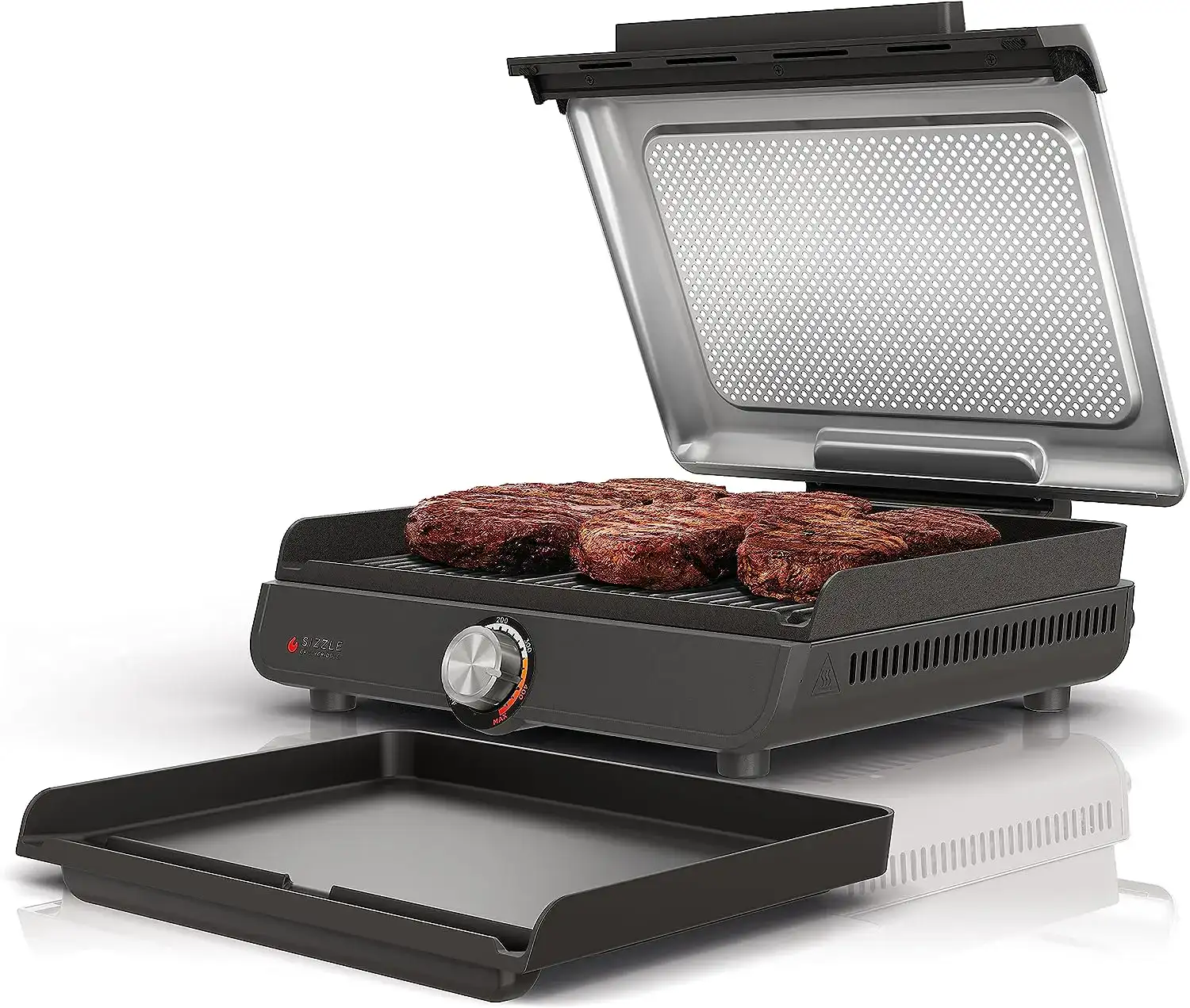 | Ninja GR101 Sizzle Smokeless Indoor Grill & Griddle, 14'' Interchangeable Nonstick Grill and Griddle Plates, Dishwasher-Safe Removable Mesh Lid, 500F Max Heat, Even Edge-to-Edge Cooking, Grey/Silver |
Choosing cookware can feel like a massive investment, but it doesn’t have to be overwhelming. The goal isn’t to find one single “best” pan on the market. Instead, you're building a functional toolkit that's perfectly suited to the meals you cook most.
Before you get pulled in by slick marketing, this guide will walk you through making practical choices that really pay off in how your food turns out and how long your pans last.
The whole process starts with a quick, honest look at your habits. Are you a weekend warrior who loves slow-simmering complex sauces and stews? Or are you mostly looking for reliable workhorses for quick weeknight dinners? Your answer points directly to the materials and types of pans that will serve you best.
The Three Pillars of Cookware Selection
Think about this decision in three parts: figuring out your cooking style, matching the gear to your kitchen's hardware, and making sure it all fits your budget. These three pillars—style, stovetop, and spend—are the foundation for making a smart purchase that you won't regret.
To make it even simpler, this decision tree shows you the key factors to weigh as you get started.

As you can see, your personal cooking style is what drives everything else. From there, you just need to consider the practical stuff, like what your stove can handle and how much you're ready to invest. When you start with how you cook, you make sure every single piece you buy has a real purpose.
From Self-Reflection to Smart Shopping
Once you’ve got a clear picture of your culinary identity, you can start digging into the specifics. The next steps are all about understanding how different materials behave on the stove, which pan sizes are truly essential (and which are just nice-to-haves), and deciding whether it makes more sense to buy a set or pick up pieces individually.
A well-chosen cookware collection is an extension of your kitchen—it should make cooking easier, more enjoyable, and more successful. It's about function over fashion and performance over packaging.
Consider this guide your personal roadmap. We'll break down all the essentials, from checking for heat source compatibility to figuring out which pans are worth a bigger investment. By the end, you'll know exactly how to build a collection that feels just right for you—saving you money, cabinet space, and a whole lot of frustration.
Matching Cookware Materials to Your Cooking
 | Ninja AF150AMZ Air Fryer XL, 5.5 Qt. Capacity that can Air Fry, Air Roast, Bake, Reheat & Dehydrate, with Dishwasher Safe, Nonstick Basket & Crisper Plate and a Chef-Inspired Recipe Guide, Grey |

The single most important decision you'll make when choosing cookware is the material. It dictates everything—how a pan heats up, how well it holds that heat, and even how it reacts with your food. Forget the abstract lists of pros and cons for a minute. Let's connect the material directly to the meals you actually want to make.
Think of it like choosing the right tool for a job. You wouldn't use a sledgehammer for a finishing nail, right? In the same way, you shouldn't grab a delicate non-stick pan when you need a screaming-hot sear. Once you understand the "why" behind each material, you can build a kitchen arsenal that's versatile, effective, and a joy to use.
The Reliable Workhorse: Stainless Steel
In both professional kitchens and savvy home kitchens, stainless steel is the undisputed champion of durability and versatility. It's tough as nails, won't react with acidic ingredients (so your tomato sauce won't get a metallic tang), and can handle seriously high temperatures without breaking a sweat.
But it does have one weakness: stainless steel on its own isn't a great heat conductor. That’s why the good stuff is always "clad," meaning it has a core of a more conductive metal like aluminum or copper sandwiched between layers of steel. This construction, often called tri-ply or multi-clad, gives you the best of both worlds—the even heating of aluminum with the rugged, non-reactive surface of steel.
You'll want to reach for stainless steel for things like:
- Searing and browning: It's a master at creating that beautiful, flavorful crust on steaks, chicken thighs, and burgers.
- Sautéing and pan-frying: Its ability to maintain consistent heat is exactly what you need for perfectly cooked vegetables and proteins.
- Making pan sauces: After you sear meat, those browned bits left in the pan (the fond) are pure gold. Stainless steel is perfect for deglazing with a splash of wine or broth to make an incredible sauce.
The secret to preventing food from sticking? It all comes down to proper heat management. Always preheat the pan before adding your oil, and wait for the oil to shimmer before you add the food. It might take a little practice, but soon enough, it'll become second nature.
The Delicate Specialist: Non-Stick
When you need a foolproof, easy-release surface, nothing beats non-stick. It’s the obvious choice for delicate foods that are notorious for sticking, and it makes cleanup an absolute breeze. Modern non-stick surfaces are a lot more durable than their predecessors, but they still need a gentle touch.
Most non-stick pans are built on an aluminum base, which gives them fantastic, speedy heat conduction. For a more robust option, look for hard-anodized aluminum. This is aluminum that has undergone an electrochemical process to create a surface that's harder than steel and highly resistant to scratches. You can dive deeper into our guide on the https://www.cookwarereviewhub.com/best-hard-anodized-cookware/ to see how these pans can seriously upgrade your kitchen.
Non-stick cookware is not built for high-heat cooking. Exposing it to temperatures above 500°F (260°C) can cause the coating to degrade and release fumes. Stick to low and medium heat with these pans.
Non-stick is your best friend for:
- Eggs, omelets, and frittatas.
- Pancakes, crepes, and French toast.
- Delicate fish fillets that might fall apart in other pans.
To make your non-stick pan last as long as possible, steer clear of metal utensils and abrasive scrubbers. Silicone, nylon, or wood tools are the way to go here.
The Heat Retention King: Cast Iron
When it comes to holding onto heat, nothing comes close to cast iron. Once this stuff gets hot, it stays hot, giving you an intensely powerful and even cooking surface. This quality makes it the absolute best choice for any task where a consistent, searing temperature is what you're after.
Cast iron does ask for a little bit of maintenance in the form of seasoning. This is just the process of baking on thin layers of oil to create a natural, non-stick surface that actually gets better every single time you cook. Understanding how to build and maintain this surface is the key to unlocking its incredible potential. For a fantastic walkthrough, you can learn more about how to get properly seasoned cast iron cookware for maximum performance.
You’ll find cast iron is unbeatable for:
- Deep-frying: Its ability to maintain a steady oil temperature is unmatched.
- Searing: It creates a crust on steaks and chops that other pans can only dream of.
- Baking: Perfect for everything from cornbread to skillet cookies and pizzas.
A well-cared-for cast iron skillet can quite literally last for generations, becoming a treasured family heirloom passed down through the years.
The Low-and-Slow Champion: Enameled Cast Iron
Enameled cast iron gives you all the superior heat retention of its raw counterpart, but with one major advantage: a non-reactive, easy-to-clean enamel coating. This glassy surface means you don't have to worry about seasoning it, nor do you have to fret about acidic ingredients reacting with the metal.
This combination of steady, even heat and a non-porous surface makes it the ultimate tool for slow-cooking methods. The heavy lids are designed to trap moisture, creating the perfect environment for tenderizing tough cuts of meat until they're fall-apart perfect.
Use enameled cast iron for:
- Braising meats like short ribs or a classic pot roast.
- Simmering hearty stews, chilis, and soups for hours.
- Baking rustic, no-knead breads that develop a fantastic crust.
Dutch ovens are the most popular form of enameled cast iron, and for good reason—many serious home cooks consider them an essential piece for their sheer versatility. This growing interest in quality, long-lasting kitchen tools is part of a larger trend. The global cookware market is valued at approximately USD 25.6 billion in 2025 and is projected to reach USD 37.5 billion by 2035, fueled by a rising home cooking culture and consumer demand for durable, non-toxic materials.
Cookware Material Performance at a Glance
With so many options, it can be helpful to see how the materials stack up against each other side-by-side. This table gives you a quick snapshot of the key strengths and weaknesses of each type.
| Material | Heat Conductivity & Responsiveness | Heat Retention | Best For | Maintenance Level |
|---|---|---|---|---|
| Stainless Steel | Moderate (good with clad core) | Good | Searing, sautéing, pan sauces | Low |
| Non-Stick | Very good (usually aluminum base) | Poor | Eggs, pancakes, delicate fish | Medium (handle with care) |
| Cast Iron | Poor (heats slowly) | Excellent | Searing, frying, baking | High (requires seasoning) |
| Enameled Cast Iron | Poor (heats slowly) | Excellent | Braising, stews, baking bread | Low to Medium |
Use this as a quick reference when you’re trying to decide which pan to pull out for a specific recipe or when you're thinking about adding a new piece to your collection. Every material has a job it does best
Pairing Your Cookware with Your Stovetop

It’s a surprisingly common mistake. You get excited, bring home a beautiful new set of pans, and then realize they don’t work on your stovetop at all. Trust me, taking a moment to check for compatibility before you buy will save you a world of frustration and a costly return trip.
This isn’t just about whether a pan works—it's about how well it performs. A fantastic pan on the wrong heat source will give you mediocre results, leading to unevenly cooked food and, in some cases, even damaging the cookware itself. Let's break down what your specific kitchen setup needs to shine.
Induction Cooktops: It's All About Magnetism
 | Ninja DZ201 Foodi 8 Quart 6-in-1 DualZone 2-Basket Air Fryer with 2 Independent Frying Baskets, Match Cook & Smart Finish to Roast, Broil, Dehydrate & More for Quick, Easy Meals, Grey |
Induction stovetops are incredibly fast and precise, but they come with one non-negotiable rule. They work by creating a magnetic field to generate heat directly in the pan. This means your cookware must be made of a magnetic (or "ferromagnetic") material.
If the pan isn't magnetic, nothing happens. No heat, no cooking. It’s that simple.
- Your Best Bets: Cast iron, both bare and enameled, is an absolute superstar here. Many stainless steel lines are also induction-ready, especially those built with a magnetic steel outer layer.
- What to Avoid: Pans made entirely of aluminum, copper, glass, or ceramic won't work on their own. The only exception is if they have a special magnetic steel plate bonded to the bottom.
The Easiest Trick in the Book: Just bring a small refrigerator magnet with you when you're shopping. If it snaps firmly to the bottom of the pan, you're good to go. Most manufacturers also stamp a little coil symbol on the bottom to show it's induction-compatible. If you're looking for some high-performance options, our guide on the topic might be a good next step: https://www.cookwarereviewhub.com/miele-induction-cookware-the-ultimate-cooking-experience/
Electric and Glass Cooktops: The Flat-Bottom Rule
For anyone with an electric coil or a smooth glass cooktop, the single most important factor is a flat, heavy bottom. These stovetops heat through direct physical contact, so any warping or unevenness creates a disaster of hot and cold spots. You'll end up with food scorching in one area while staying completely raw in another.
A pan with a thick, heavy base is your best defense against warping, especially when you crank up the heat. It also does a much better job of spreading the heat evenly across the entire cooking surface. Look for multi-ply (or clad) stainless steel and heavy-gauge aluminum—they're excellent choices for these stoves.
Gas Stoves: The Forgiving Flame
Gas is the most forgiving of all stovetops; that open flame will heat just about anything you put over it. That said, certain materials definitely play nicer with direct heat. Pans that react quickly to temperature changes, like copper and aluminum, give you amazing control when cooking over a gas flame.
And don't just think about pots and pans. Specialized gear, like stovetop moka pots, also needs to be compatible with your heat source to work correctly. Whether you’re brewing a morning coffee or searing a steak for dinner, matching your gear to your stove is the first step to getting great results.
Choosing the Right Pan Sizes for Your Meals
Getting the right material for your cookware is only half the battle. The size of your pan is just as critical, and it’s where a lot of home cooks get tripped up.
Think about it: that massive skillet that’s perfect for a Sunday family dinner becomes a clumsy, inefficient beast when you’re just scrambling a couple of eggs. The goal isn't to own every pan under the sun. It's to build a lean, functional collection that handles every task without cluttering your cabinets.
You don't need a dozen different sizes. A few thoughtfully chosen pieces can honestly cover 90% of your daily cooking. By focusing on versatility, you make sure every pan in your kitchen actually earns its keep.
The Foundational Trio Every Kitchen Needs
Before you even glance at specialty pans, make sure you have the basics dialed in. These three pieces are the backbone of any functional kitchen, whether you're cooking for yourself or a small family.
The Go-To Skillet (10- or 12-inch): This is your daily workhorse. It’s what you'll grab for searing chicken, sautéing vegetables, and flipping pancakes. A 10-inch skillet is fantastic for one or two people, while a 12-inch gives you the extra real estate needed for family meals or batch cooking.
The Small Saucepan (1.5- to 2-quart): Absolutely indispensable for all the little jobs. Use it for reheating last night's soup, melting butter, cooking a cup of quinoa, or simmering a simple sauce for two.
The Large Stockpot (6- to 8-quart): When it's time for bigger batches, this is your pan. It’s essential for boiling a pound of pasta, simmering a big pot of chili, or making homemade stock. An 8-quart pot is a versatile sweet spot that won’t feel overwhelming.
With just these three, you can tackle a massive range of recipes. Everything else you add should be a deliberate choice to fill a specific gap in your cooking style.
Expanding Your Collection with Purpose
Once the essentials are in place, you can start adding pieces that truly align with how you cook. Think about the meals you make most often. Do you find your skillet gets too crowded when you’re browning meat for a stew? Maybe a sauté pan is your next best friend.
Your cookware should solve problems, not create clutter. Every new pan should serve a distinct purpose that your current collection can't handle as efficiently.
Here are a couple of highly functional additions to consider:
Sauté Pan (3- to 4-quart): Don't mistake this for just another skillet. A sauté pan has straight, high sides and a wide, flat bottom. That design maximizes the cooking surface, making it ideal for searing multiple pieces of meat without crowding. It's also perfect for shallow frying and building pan sauces where you want to control evaporation.
Dutch Oven (5- to 7-quart): Usually made of heavy enameled cast iron, a Dutch oven is arguably one of the most versatile pots you can own. It truly shines when braising, stewing, and making soup on the stovetop, and it transitions beautifully to the oven for baking rustic bread or roasting a whole chicken. It’s a true kitchen powerhouse.
Buying Cookware Sets Versus Individual Pieces
That big, shiny box with a complete matching cookware set is always tempting, isn't it? It feels like you're getting an entire kitchen arsenal in one shot, and the price tag often looks like a steal compared to buying each pan individually. But is that convenience-first approach really the best way to build a collection you'll actually use and love?
Let's be real. While sets are fantastic for getting a first kitchen up and running, they almost always come with pieces you’ll rarely, if ever, use. That 8-quart stockpot might be exactly what you need, but the tiny 1-quart saucepan? It'll probably just gather dust in the back of a cabinet. That's the classic trade-off: you get instant gratification but sacrifice a perfectly tailored collection.
The Case for Curating Your Collection
 | Ninja BL610 Professional 72 Oz Countertop Blender with 1000-Watt Base and Total Crushing Technology for Smoothies, Ice and Frozen Fruit, Black, 9.5 in L x 7.5 in W x 17 in H |
On the flip side, buying individual pieces lets you build your own "greatest hits" collection. Think of it less like a pre-packaged deal and more like assembling a specialized toolkit where every single item is chosen for a specific purpose.
Imagine a kitchen where every pan is a top performer for its job:
- A heavy-duty cast iron skillet for getting that unbeatable, crusty sear on a steak.
- A high-quality non-stick pan you reserve just for delicate eggs and fluffy pancakes.
- A durable, multi-clad stainless steel stockpot that you can rely on for simmering soups and boiling pasta for years to come.
When you buy à la carte, you’re not stuck with one brand or material. You can grab a Le Creuset Dutch oven and a lightweight All-Clad sauté pan, making sure each piece is the absolute best at what it does. This approach syncs your cookware directly with how you actually cook, so you stop paying for pans that just take up precious cabinet space.
When Does a Cookware Set Make Sense?
Of course, this doesn't mean sets are a bad idea. They can offer some serious savings, sometimes bundling 8 to 12 pieces for what you'd pay for just three or four high-end individual pans. If you’ve done your homework and found a set where you'll genuinely use almost every piece, it’s a brilliant financial move.
This is especially true if you're starting from scratch. A good set provides a solid foundation to cook a huge variety of meals right away. For a deep dive into options that pack in real value, check out our guide on the best cookware set to see which ones deliver performance without the filler.
Here’s the bottom line: be honest about how you cook. Before you pull the trigger on a set, look at every single piece included. Ask yourself, "Will I really use this tiny skillet or that extra-large saucepan at least once a month?" If you're saying "no" to several items, building your own collection is probably the smarter long-term play.
Market trends also shape what's available. By 2025, the Asia-Pacific region is expected to generate around USD 7.55 billion in cookware revenue, pushing different types of products than, say, Europe, which tends to focus on premium, design-forward items. This means the sets being heavily promoted where you live might not even fit your cooking style, making a curated approach even more practical.
Ultimately, the choice between a set and individual pieces boils down to a balance of your budget, your need for convenience, and your personal cooking style. A thoughtfully customized collection usually wins on performance, but a well-chosen set can offer value that's tough to beat.
Common Questions About Choosing Cookware
As you get closer to making a decision, a few questions always seem to pop up. I’ve been there. Getting straight answers can be the difference between buying something you’ll love and something you’ll regret.
Let's cut through the marketing noise and get to the practical stuff.
Is Non-Stick Cookware Safe to Use?
Yes, modern non-stick coatings are considered perfectly safe for everyday cooking, provided you use them as intended. The big worry has always been about fumes from overheating, but that happens at temperatures way beyond what you’d need for your morning eggs or a weeknight stir-fry.
The real key is simply avoiding extreme heat. Most cooking oils start to smoke and burn well below 500°F (260°C)—the temperature where non-stick coatings might begin to break down. That smoke is your built-in, natural warning sign to turn down the heat.
To keep your non-stick pans safe and effective, just follow a few common-sense rules:
- Never preheat an empty non-stick pan, especially on high heat.
- Don't stick it under the broiler; that's a quick way to exceed safe temperatures.
- Use silicone, nylon, or wooden utensils to avoid scratching that delicate surface.
If you see deep scratches or the coating starts to flake, that's your cue. The pan has done its job, and it’s time for a replacement.
How Can I Tell If Cookware Is Induction Compatible?
This is one of the easiest tests in the kitchen. Induction cooktops use magnetism to heat the pan directly, so the cookware itself has to be magnetic. Simple as that.
The magnet test is your best friend here. Just grab a regular refrigerator magnet and see if it sticks firmly to the bottom of the pan. If it does, you're good to go.
Materials like cast iron (both bare and enameled) and most magnetic stainless steel work beautifully with induction. Aluminum, copper, and glass, on the other hand, won't work on their own. Some manufacturers get around this by bonding a magnetic steel plate to the base, so always check. Many brands also stamp a little coil symbol on the bottom to let you know it's induction-ready.
Should I Spend More on Expensive Cookware?
 | Ninja BN701 Professional Plus Bender, 1400 Peak Watts, 3 Functions for Smoothies, Frozen Drinks & Ice Cream with Auto IQ, 72-oz.* Total Crushing Pitcher & Lid, Dark Grey |
Honestly, it depends on your cooking style. If you’re in the kitchen every day trying new recipes, investing in higher-end cookware can be a total game-changer. That extra cost often buys you tangible benefits you can actually feel and taste.
Here’s what you’re usually paying for with premium cookware:
- Better Heat Control: They often use a "clad" or multi-ply construction that gets rid of hot spots. Your food cooks more evenly, every single time.
- Built to Last: High-quality materials and craftsmanship mean the pan is far less likely to warp, dent, or give up on you after a year.
- Smarter Design: Little things like comfortable, stay-cool handles or drip-free pouring rims just make the whole cooking process more enjoyable.
But you absolutely do not need to break the bank for great results. A cheap and cheerful cast iron skillet, for example, can out-sear pans that cost ten times as much. A smart strategy is to mix and match. Splurge on the one pan you use constantly—like a workhorse skillet—and go for more budget-friendly options for pieces you only pull out once in a while.
What Does Tri-Ply or Multi-Clad Mean?
Think of it this way: stainless steel is tough and non-reactive, but it's a terrible heat conductor on its own. "Cladding" is the ingenious fix for that problem. Manufacturers sandwich a core of a highly conductive metal, like aluminum or copper, between layers of durable stainless steel.
"Tri-ply" is exactly what it sounds like: three layers (steel-aluminum-steel). You’ll also see premium cookware with five or even seven layers, which is what we call "multi-clad."
This isn't just a disc slapped on the bottom of the pan; the layers extend all the way up the sides. The result is heat that spreads incredibly quickly and evenly across the entire surface, giving you amazing temperature control and preventing scorching. It's the secret sauce behind a perfect sear and beautifully consistent cooking.
At Cookware Review Hub, we're dedicated to helping you find the perfect tools for your kitchen. We provide unbiased reviews, practical guides, and the latest deals to make your shopping experience easier. Explore our expert recommendations to build a cookware collection you’ll love for years to come at https://www.cookwarereviewhub.com.