Outfitting your first apartment kitchen doesn't have to mean buying a cartful of gadgets all at once. Seriously, just start with the absolute essentials for making simple meals right away—think a versatile pan, a spatula, and a plate. This approach saves you money and, more importantly, keeps your limited cabinet space from overflowing before you’ve even unpacked.
Now loading...
Setting Up Your First Kitchen Without The Overwhelm
 | Lodge EC6D33 Enameled Cast Iron Dutch Oven, 6-Quart, Blue Now loading... |
Moving into your first apartment is a huge thrill, but that excitement can quickly turn to stress when you're staring at a sea of empty cabinets. What do you even need? The secret is to ditch the idea of building a gourmet kitchen overnight. Instead, think of this as a smart, step-by-step process that works with your budget and how you actually cook.
Your first mission is simple: assemble a "survival kitchen." This is just the core set of tools you need to whip up basic meals like scrambled eggs, pasta, or a quick stir-fry during that first chaotic week. This strategy alone will save you a fortune on takeout while you get settled. Once you're comfortable, you can start adding to your collection.
Prioritize Your Purchases
Most people think they need to start with a massive set of pots, pans, and bakeware. While those are definitely important, buying them all at once is a classic rookie mistake that drains your budget and leaves you with pans you might never use. A much better strategy is to build your collection piece by piece, which is easier on your wallet and leads to smarter, more intentional choices.
The real key here is learning to tell the difference between a "need" and a "nice-to-have." A solid chef's knife? That's a need. An avocado slicer? Total nice-to-have. Focusing on versatile, multi-purpose items will serve you way better than a drawer crammed with single-use gadgets.
This infographic really simplifies the process into three easy-to-follow steps.

As you can see, it’s all about starting with the must-haves, making smart purchases, and then organizing your space. It turns a massive task into a completely manageable project.
For those first few days, you don't need a full arsenal. You just need a handful of items to cover breakfast, lunch, and dinner without resorting to paper plates and plastic forks. This quick checklist covers the bare minimum to get you through that initial move-in madness.
| Your First Week Survival Kitchen Checklist | ||
|---|---|---|
| Category | Essential Item | Primary Use |
| Cookware | 1 non-stick skillet (10-inch) | Eggs, pancakes, grilled cheese, sautéing |
| Utensils | Spatula, large spoon, chef's knife | Flipping, stirring, chopping |
| Tableware | 1 plate, 1 bowl, 1 fork, 1 knife, 1 spoon | Eating your delicious homemade meals |
| Drinkware | 1 mug, 1 glass | Coffee, tea, water |
| Prep | Small cutting board | A safe surface for chopping |
| Cleanup | Dish soap, sponge, dish towel | Washing your few essential items |
This small kit ensures you're ready to cook and eat from day one. Everything else can wait.
Building Your Collection Over Time
Once you’ve got your survival kit locked down, you can start layering in more specialized tools. This is the fun part! Think about the food you genuinely love to make. Are you a baker at heart? A good baking sheet and a set of mixing bowls should be next on your list. Can’t live without your morning smoothie? A blender is your next logical buy.
This deliberate approach guarantees every item you bring into your kitchen actually earns its spot in your limited cabinet space. It helps you avoid the common pitfall of buying a huge 21-piece cookware set when you really only need three or four key pans. For more ideas on how to expand your toolkit thoughtfully, check out this great list of must-have kitchen essentials that covers tools for every type of home cook.
Choosing Your Core Cookware And Bakeware
Your pots and pans are the true engines of your kitchen. Seriously. This is where simple ingredients transform into satisfying meals, so picking the right ones is a huge first step in outfitting your apartment. Instead of getting lured in by those massive, all-in-one box sets, I always tell people to focus on getting a core trio of versatile pieces that can handle nearly anything you throw at them.

This "essential trio" approach is a lifesaver for your wallet and your limited cabinet space. A single high-quality skillet, a trusty saucepan, and a roomy stockpot will honestly cover over 90% of your daily cooking needs, from frying an egg to boiling pasta for friends. Buying them individually also means you can choose the best material and size for each specific job.
Understanding Cookware Materials
Walking down the cookware aisle can feel overwhelming. Nonstick, stainless steel, cast iron—what’s the real difference? I like to think of them as different types of athletes, each built for a specific event.
- Nonstick: This is your sprinter, perfect for quick and delicate tasks. That slick surface is your best friend for cooking eggs, pancakes, and flaky fish without anything sticking. The trade-off? It’s not meant for super-high heat, and you have to baby it with silicone or wooden utensils to protect its coating.
- Stainless Steel: Meet the all-around athlete. It's fantastic for searing meats to get that perfect crust, creating flavorful pan sauces, and it can take the heat. It’s tough, dishwasher-safe, and can last a lifetime, but there’s a bit of a learning curve to prevent food from sticking.
- Cast Iron: The marathon runner of the kitchen. It heats up slowly and evenly and holds that heat like a champ, making it the undisputed king for searing steaks, frying chicken, and even baking cornbread. While it’s nearly indestructible, it’s heavy and needs a little maintenance (called "seasoning") to keep its nonstick magic alive.
So which is right for you? It really just depends on what you see yourself cooking most. For most beginners, starting with a nonstick skillet and a stainless steel saucepan offers the best of both worlds.
The Essential Trio: Your Starting Lineup
To build a kitchen that actually works, you don't need a dozen different pans. Just start with these three workhorses, and focus on getting decent quality over a bunch of cheap stuff. This way, every piece you own is a valuable player.
The Versatile Skillet (10-inch): This will be your most-used pan, period. A 10-inch size is the sweet spot—big enough for two chicken breasts but not so huge that a single grilled cheese feels lost. A nonstick version is incredibly forgiving for beginners, making it a perfect first purchase.
The Reliable Saucepan (2-3 Quart): Your go-to for anything liquid. Use it to boil water for ramen, cook rice or quinoa, heat up soups, and whip up sauces. A 2-3 quart pan with a heavy, solid bottom for even heating and a lid that fits snugly is exactly what you need.
The Mighty Stockpot (5-6 Quart): When you need to cook in volume, this is your pot. It’s essential for boiling pasta, simmering big batches of soup or chili, and steaming vegetables. A 5-6 quart pot gives you plenty of room without being a nightmare to wash in a small apartment sink.
Investing in these three core pieces separately almost always gives you better results than a bundled set. You can pick the best material for each job—like a durable nonstick skillet for daily abuse and a sturdy stainless pot for high-heat cooking.
To Save or to Splurge?
 | Mauviel M'heritage M200CI 9-piece 2mm Copper Cookware Set with Cast Iron Handles |
Let's be real: when you're setting up your first apartment, the budget is tight. But cookware is one area where spending just a little bit more can pay off big time in performance and how long it lasts. A flimsy, cheap pan will warp and cook unevenly, which is just plain frustrating.
You don’t have to break the bank, but you should look for pans that feel solid and have some weight to them. Brands like Tramontina have a great reputation for offering excellent performance at a price that won't make you cry. If you want a good benchmark for what quality starter sets look like, checking out something like a Tramontina 10-piece cookware set review can give you a solid idea of what to look for in terms of value and durability.
At the end of the day, your cookware is an investment in your ability to cook good food at home. Choosing wisely right from the start will set you up for years of success in the kitchen.
Building Your Toolkit Of Essential Utensils
With your core cookware ready, it’s time to assemble the crew that brings your meals to life. Think of utensils as the skilled assistants to your pots and pans. Each one has a specific job, and having the right tool makes cooking smoother, faster, and way more fun.
The goal isn't to cram your drawers full of single-use gadgets. Instead, you're building a minimalist toolkit where every item is a versatile workhorse you'll reach for again and again.
And the undisputed champion of that utensil drawer? A good chef's knife. Seriously, if you're going to splurge on just one tool, make it this one. An 8-inch chef's knife is the perfect starting point—it's agile enough for dicing an onion but hefty enough to tackle a butternut squash. One great knife is infinitely better than a clunky block full of cheap, dull blades that are just frustrating (and dangerous) to use.
The Core Four Utensils
Beyond that all-important knife, there are four fundamental utensils that will handle the vast majority of your stovetop tasks. These are the tools you’ll grab daily, so you want to choose options that are durable and just feel right.
- Silicone Spatula: This flexible friend is essential for scraping every last bit of brownie batter from a bowl. It's also perfect for scrambling eggs in your nonstick skillet without leaving a single scratch behind.
- Wooden Spoon: A classic for a reason. Wooden spoons are sturdy, won't scratch your cookware, and don't conduct heat—so the handle won't get scorching hot when you leave it resting in a simmering pot of sauce.
- Locking Tongs: Think of tongs as a heat-proof extension of your hands. They're perfect for flipping chicken breasts, turning roasted vegetables, and snagging a single strand of pasta from boiling water to see if it's done.
- Whisk: While a fork can work in a pinch, a proper balloon whisk is way more efficient. It's the key to incorporating air for fluffy omelets or emulsifying oil and vinegar for a killer homemade vinaigrette.
Materials Matter More Than You Think
When you're picking out these tools, the material is just as important as the function. Each one has its own strengths and weaknesses, making it better suited for certain pans or tasks. Nailing this part will help you build a smarter, more effective toolkit.
Material Breakdown
| Material | Best For | Avoid With | Key Benefit |
|---|---|---|---|
| Silicone | Nonstick pans, scraping bowls | Direct, high-heat flames | Heat-resistant and gentle on surfaces |
| Wood | Any cookware, stirring sauces | Soaking in the sink (can crack) | Sturdy, non-conductive, and classic |
| Metal | Stainless steel & cast iron pans | Nonstick surfaces (will scratch) | Durability and precision |
Choosing the right material ensures your cookware lasts longer and your cooking is more efficient. This is a big deal for renters who want to protect the appliances and pans that came with their apartment.
By focusing on materials, you can assemble a small but powerful collection. For example, a silicone spatula for your nonstick skillet and a metal turner for your cast iron pan covers all your bases without creating clutter.
The growing awareness around healthy cooking has also brought the materials of our tools into focus. If you're interested in making sure your kitchen is as clean as possible, you can check out our guide on the best non-toxic cooking utensils for even more detailed recommendations.
Essential Gadgets and Prep Tools
Finally, a few small-but-mighty gadgets are simply non-negotiable for any functional kitchen. These are the little things that handle specific prep tasks that are nearly impossible to do efficiently without them. Don't overlook these simple workhorses.
Must-Have Gadgets:
- Can Opener: A basic, manual can opener is a must-have for getting into canned beans, tomatoes, and soups.
- Vegetable Peeler: Essential for prepping potatoes, carrots, and apples with minimal waste. A simple Y-peeler is often the easiest and most ergonomic to use.
- Measuring Cups & Spoons: Baking and even some cooking require precision. A basic set of both dry and liquid measuring cups, plus measuring spoons, is critical.
- Colander: Perfect for draining a big pot of pasta, rinsing canned beans, or washing fresh produce.
The market for these first apartment kitchen essentials is enormous, which shows just how important this step is for new movers. The global industry is projected to hit a whopping $42.8 billion by 2027, with utensils like spatulas and spoons being a major driver. This massive industry shows that while individual items might be inexpensive, building a complete toolkit is a significant step for every new household.
Selecting Smart Small Appliances
 | Le Creuset Enameled Cast Iron Signature Round Dutch Oven with Lid, 5.5 Quart, Sea Salt |
Small appliances are the ultimate double-edged sword in a first apartment kitchen. They promise convenience and perfectly toasted bagels, but they're also notorious for devouring precious counter space. The secret is choosing appliances that genuinely match your daily habits, not just what you think a "real" kitchen is supposed to have.

Think of your counter as valuable real estate. Before you let anything take up a permanent spot, ask yourself one simple question: "Will I use this at least four times a week?" If the answer is no, it probably belongs in a cabinet—or not in your apartment at all.
The Big Three You Should Consider
For most people setting up their first place, the appliance conversation starts and ends with three key players. These are often considered the must-haves, but it’s still smart to check if they truly fit your lifestyle.
Microwave: Let's be real—this is probably the most essential of the bunch. It's your go-to for reheating leftovers, zapping frozen meals, and making quick snacks. Unless you're a dedicated stovetop purist, a small, basic microwave is almost always a solid investment.
Coffee Maker: If you can't function without your daily caffeine fix, this is a non-negotiable. A simple drip coffee machine gets the job done without breaking the bank. But if your counter space is laughably small, consider a French press or a pour-over setup. They make fantastic coffee and can be tucked away in a cabinet when you're done.
Toaster or Toaster Oven: This one really comes down to personal habits. A simple two-slice toaster is compact and perfect for, well, toast. A toaster oven, on the other hand, is the MVP of versatility. It can toast, bake small items, broil, and reheat food, often doing the job of a microwave for things like leftover pizza.
If you're leaning toward versatility, it's worth diving deeper. You can learn more about how a mini smart toaster oven might be your kitchen's must-have in our detailed guide, which breaks down its huge benefits for small spaces.
Level Two Appliances To Add Later
Here’s a classic rookie mistake: rushing out to buy every cool-looking appliance at once. This is a fast track to cluttered counters and a serious case of buyer's remorse. Live in your space for a few weeks first. Get your routines down, and then think about expanding your lineup.
Your goal is to build a kitchen that serves your real-life needs, not an imaginary ideal. Start with the basics and only add what you truly miss. This patient approach saves money and preserves your sanity.
Think of these "Level 2" appliances as upgrades you earn once you've proven you actually need them.
Appliances to Consider After Settling In
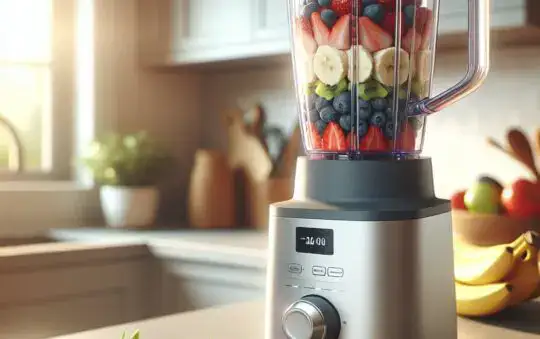
- Blender or Personal Blender: A must-have for smoothie fanatics or anyone who enjoys making soups and sauces from scratch. A personal-sized blender is a fantastic space-saving option for single servings.
- Electric Kettle: If you're a big tea drinker or use a French press daily, an electric kettle is a game-changer. It heats water way faster and more efficiently than a microwave or the stovetop.
- Stand Mixer or Hand Mixer: This is strictly for the bakers. Unless you see yourself whipping up cakes, cookies, or bread on a regular basis, you can definitely skip this and reclaim a huge amount of space.
- Slow Cooker: These are amazing for busy people who want to come home to a hot, ready-made meal. They’re perfect for soups, stews, and braises, but they only earn their cabinet space if you'll actually use them consistently.
By thoughtfully curating your small appliances, you create a kitchen that feels functional and spacious, not cramped and chaotic. Prioritize what supports your daily life first, and let the rest wait.
Stocking A Smart Pantry From Scratch
Alright, your shiny new cookware and utensils are ready for action, but they're only half the story. A well-stocked pantry is the real secret weapon. It’s what transforms your kitchen from a collection of gear into a place where a real meal can happen at a moment's notice.
Think of it as setting up your own tiny, in-house grocery store. It saves you from those maddening, last-minute dashes to the store because you're out of olive oil or forgot to buy onions. We're not talking about buying one of everything. This is about being strategic—layering versatile, long-lasting staples that form the backbone of countless recipes. It's like building a "capsule wardrobe" for your kitchen.
The Non-Perishable Foundation
This is the bedrock, the stuff that will live happily in your cupboards for weeks, sometimes months. These are the ingredients that provide the carbs, fats, and basic flavors that most meals are built on. Starting here means you can always whip up something simple and satisfying, like pasta with a quick tomato sauce or a simple rice bowl.
Your first shopping list should be all about versatility:
- Grains and Pastas: A box of spaghetti or penne and a bag of long-grain white rice are non-negotiable. They're the blank canvas for a thousand different meals.
- Oils and Vinegars: Start with a good neutral cooking oil like canola or vegetable for high-heat, everyday stuff. Then grab a bottle of extra-virgin olive oil for dressings and finishing dishes with a pop of flavor. A bottle of basic white vinegar is also a workhorse for cooking and even cleaning.
- Canned Goods: Canned tomatoes (diced or crushed), beans (black or kidney are great starters), and some tuna are absolute meal-savers. They're cheap, ready when you are, and incredibly useful.
Stocking these items is your safety net. It ensures you're never more than 20 minutes away from a hot meal, even when the fridge looks depressingly empty.
A smart pantry isn't just about having food; it's about having options. The goal is to stock ingredients that open up possibilities, turning a simple chicken breast or a few eggs into a full-fledged, flavorful dinner without an extra trip to the store.
Spices and Flavor Builders
If the non-perishables are the foundation, then spices and aromatics are the personality. This is how you turn a bland dish into something you actually want to eat. You don't need one of those massive, rotating spice racks to get started—just a few key players will dramatically expand what you can cook.
Fresh aromatics like onions and garlic are the undisputed heroes of the kitchen. Stash them in a cool, dark place, and they’ll last for a while. They are the starting point for an incredible number of recipes across pretty much every cuisine.
Your Starter Spice Rack:
- Salt and Black Pepper: The fundamentals. Do yourself a huge favor and get a pepper grinder; the flavor difference is night and day.
- Garlic Powder and Onion Powder: Perfect for when you're out of the fresh stuff or just need a quick flavor boost in a rub or sauce.
- Dried Herbs: Oregano or a general Italian seasoning blend is a fantastic starting point. It works in pasta sauces, on chicken, sprinkled over roasted vegetables—you name it.
- A Little Heat: Red pepper flakes. A pinch adds a welcome kick to just about anything.
First-time apartment dwellers everywhere focus on building a pantry that balances nutrition with the reality of a hectic move-in schedule. A common strategy involves stocking proteins like chicken and eggs, versatile grains like rice and pasta, and essential aromatics. This approach ensures nutritional needs are met while allowing for quick meal prep, which is a lifesaver during that first week. To get more ideas for your initial grocery run, you can discover more insights about building a new apartment grocery list.
Refrigerator and Freezer Staples
Finally, let's round out your pantry with a few key items for the fridge and freezer. These are the perishables that have a bit more staying power than fresh produce, giving you more flexibility and cutting down on food waste—a huge win for any budget.
Things like eggs, butter, and a hard cheese like parmesan or cheddar are refrigerator must-haves. In the freezer, a bag of frozen vegetables (peas or corn are super versatile) is a game-changer. They’re just as nutritious as fresh veggies and completely remove the pressure of having to use them before they go bad.
With these essentials in place, your smart pantry is complete. You're now officially empowered to cook what you want, when you want. Welcome to the club.
Organizing A Small Kitchen For Maximum Space
 | Babish Cast Iron Preseasoned Skillet, 12-Inch |
Let's be honest: in your first apartment, the kitchen countertops and cabinets are basically prime real estate. Making every single inch count isn't just about being neat—it's about creating a kitchen that you actually enjoy cooking in, one that works for you, not against you. The trick is to think vertically and strategically, turning those cluttered corners into functional prep stations.
And no, this doesn't mean you have to make any permanent changes that'll get you in trouble with your landlord. It's all about clever, temporary solutions that squeeze every last drop of utility out of the space you have. Most small kitchens waste a ton of vertical space—all that empty air above your stack of plates or inside a tall pantry shelf. That's where you'll get the biggest bang for your buck.
Go Vertical With Smart Storage
The quickest way to instantly double your storage is to claim that unused vertical territory. I'm talking about the inside of your cabinet doors, the underside of shelves, and even the walls. These spots are organizational goldmines just waiting to be tapped.
- Over-the-Door Organizers: These are a lifesaver for pantry doors. Use them to stash spices, cooking oils, or cleaning supplies, which frees up precious shelf space for bigger things like pasta boxes and bags of rice.
- Under-Shelf Baskets: These wire baskets are genius. They just slide right onto an existing shelf, creating a new level out of thin air for mugs, small bowls, or boxes of plastic wrap.
- Magnetic Strips: A magnetic knife strip is a classic for a reason. It gets that clunky knife block completely off your counter and puts your most-used tools right where you need them.
The real goal here is to get as much stuff off your countertops as possible. A clear counter doesn't just make a small kitchen feel huge; it gives you the actual room you need to chop, mix, and plate your food. Every single item you can hang up or move to a door is a win.
Master Your Pantry and Cabinets
A messy cabinet is more than just an eyesore; it's a source of stress and wasted money. You find yourself buying a third jar of paprika because you couldn't see the two you already owned. Bringing a little order to these spaces makes cooking faster and your grocery runs a whole lot smarter.
Start by grouping like items together—put all your baking supplies in one zone and all your canned goods in another. To really make the most of your kitchen's storage and streamline your meal prep, a well-thought-out pantry is non-negotiable. For a deep dive, you can learn how to organize your kitchen pantry effectively using simple systems you can actually stick with.
Decanting dry goods—think flour, sugar, rice, and pasta—into clear, airtight containers is another total game-changer. Not only does it keep your food fresher and safe from pests, but a set of uniform, stackable containers is way more space-efficient than a chaotic jumble of half-empty bags. This one move transforms a messy shelf into a clean, visual system where you can find anything in a second. Finally, arrange your cookware logically. Storing pots and pans near the stove and your plates and glasses near the dishwasher just makes sense—it creates an intuitive workflow that you'll appreciate every single day.
Answers To Your First Kitchen Questions

Setting up your first kitchen from scratch can feel a little overwhelming. Trust me, you're not the only one wondering where to begin, what's really essential, and how to pull it all off without your wallet screaming for mercy.
We’ve pulled together some of the most common questions we hear from renters just like you. Think of this as your cheat sheet for making smart, confident decisions right from the start.
What Is The One Kitchen Item I Should Splurge On?
If you can only invest in one thing, make it a high-quality 8-inch chef's knife. A good knife is the workhorse of your kitchen. It makes every single prep task—from chopping onions to slicing chicken—safer, faster, and honestly, a lot more fun.
Cheap knives are a false economy. They dull in a heartbeat, which makes them clumsy and dangerous to use. A well-made knife, on the other hand, holds a sharp edge, feels balanced in your hand, and can last for decades. It's an investment you'll thank yourself for every time you cook.
How Can I Stock My Kitchen On A Very Tight Budget?
Get ready to do a little treasure hunting. Start by hitting up thrift stores, garage sales, and online marketplaces like Facebook Marketplace for gently used cookware, plates, and utensils. For everything else, stick to the absolute must-haves on our "first week" checklist.
Don't be afraid to put the word out to friends and family, either—you’d be surprised how many people have extra kitchen gear they'd be happy to give you. The other big move is to prioritize multi-purpose tools. A cast-iron skillet, for example, can go from the stovetop straight into the oven, giving you more bang for your buck.
A key money-saving strategy is to focus on versatile essentials first. One good pot, one pan, and a few utensils can cover most of your cooking needs initially, allowing you to add more specialized items over time as your budget allows.
Do I Need A Full Set Of Pots And Pans?
 | Cuisinel Cast Iron Skillets Set + Glass Lids - 8"+10"+12"-Inch Frying Pans + Silicone Handle Holder Covers - Pre-Seasoned Oven Safe Cookware - Indoor/Outdoor Use - Grill, Stovetop, Camping Fire Safe |
Absolutely not. In fact, I usually advise against them. Those big "kitchen-in-a-box" sets often include pans you'll rarely, if ever, use, and they hog precious cabinet real estate—a major issue in most apartments.
It's way more practical and cost-effective to buy three core pieces individually. This simple but mighty trio will cover more than 90% of your cooking needs:
- A 10-inch skillet for everyday tasks like cooking eggs, searing meats, and sautéing vegetables.
- A 2-3 quart saucepan for heating up liquids, simmering sauces, and cooking grains like rice or quinoa.
- A 5-6 quart stockpot for boiling pasta, making big batches of soup, or simmering chili.
At Cookware Review Hub, our whole mission is to help you build a kitchen that works for your life and your budget. From deep dives on starter cookware sets to honest comparisons of the best budget-friendly appliances, we give you the expert advice you need to shop with confidence. Check out our guides and find the perfect tools to get your cooking journey started at https://www.cookwarereviewhub.com.
Article created using Outrank