
Now loading...
Understanding Your Wok
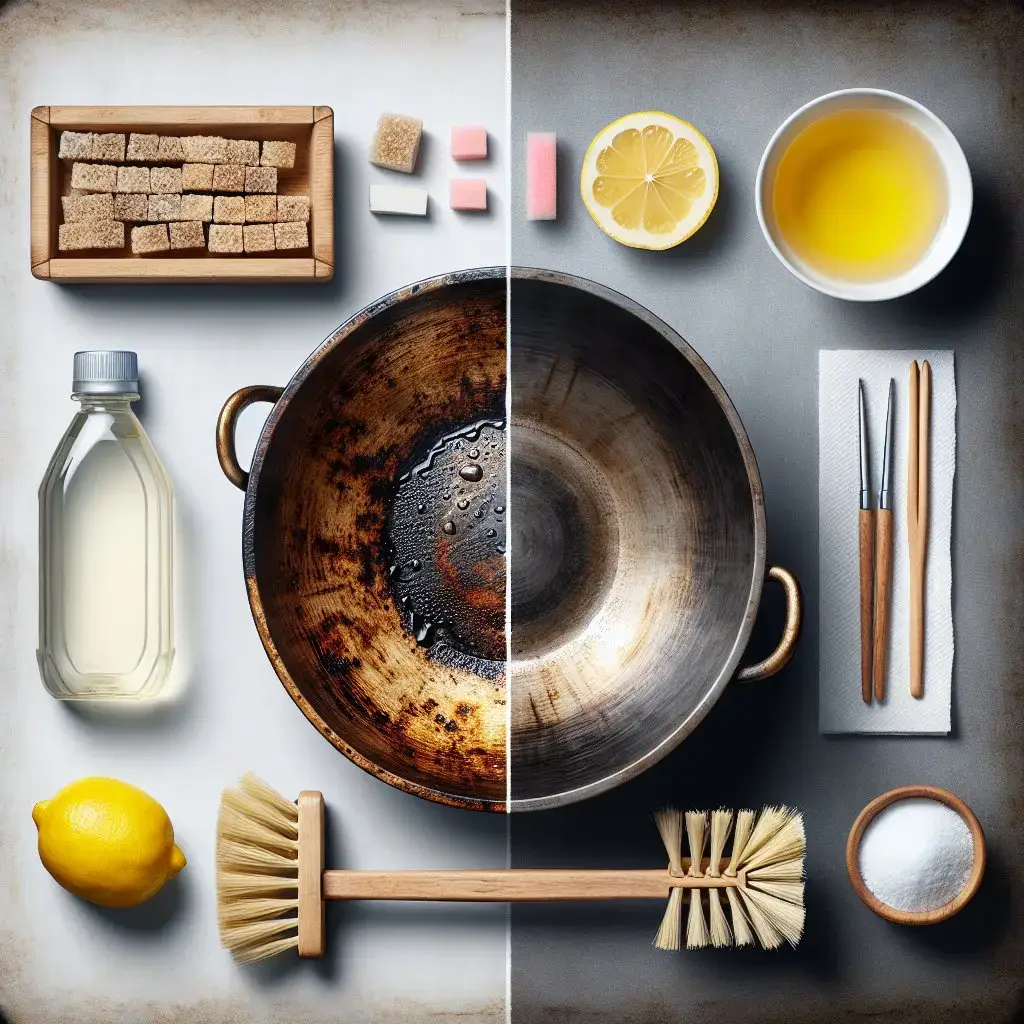
A wok is a versatile kitchen tool, essential for stir-frying, steaming, and deep-frying. Over time, food residue, grease, and carbon can accumulate on the surface, particularly if not properly seasoned or cleaned. Regular cleaning is essential to maintain the wok’s non-stick properties and to promote healthy cooking practices. This guide provides effective ways to clean a dirty wok.
Now loading...
Materials Needed
Before diving into the cleaning process, gather the necessary materials:
- Soft sponge or cloth
- Bamboo brush or a non-abrasive scrub pad
- Hot water
- Rice vinegar or white vinegar
- Baking soda
- Salt
- Dish soap
- Cooking oil (for seasoning)
Step 1: Immediate Post-Cooking Care
Cool Down the Wok
After cooking, allow the wok to cool slightly. Avoid pouring cold water onto a hot wok, as this can warp the metal.
Rinse with Hot Water
Once it’s manageable, rinse the wok thoroughly with hot water. This will help loosen food particles and grease.
Step 2: Gentle Scrubbing
Use a Soft Sponge
With a soft sponge, gently rub the surface to dislodge any stuck-on food. If you notice stubborn residues, apply a small amount of dish soap to the sponge.
Bamboo Brush for Stubborn Spots
For heavily soiled areas, a bamboo brush is ideal due to its gentle yet effective bristles. This prevents scratching while providing the required abrasiveness to lift stubborn grime.
Step 3: Dealing with Carbon Build-Up
Optional: Baking Soda Paste
For significant carbon build-up, make a paste using baking soda and a small amount of water. Apply this paste to the affected areas and let it sit for about 15 minutes before scrubbing. The alkaline nature of baking soda helps break down the carbon.
Using Salt for Abrasion
Alternatively, sprinkle salt on the grubby spots and scrub with a bamboo brush or sponge. Salt acts as a natural abrasive and is great for removing burned-on residue.
Step 4: Deep Cleaning with Vinegar

Acidic Cleaning Solution
If your wok requires a thorough cleaning, creating an acidic solution can be beneficial. Mix equal parts of rice vinegar or white vinegar with water in the wok. Heat the mixture until it’s steaming, and let it sit for 10-15 minutes. The acidity will help dissolve tough stains and sanitize the wok.
Rinse and Scrub
After this treatment, pour out the vinegar solution and scrub the wok again with a soft sponge or bamboo brush. Rinse thoroughly to remove all vinegar residues.
Step 5: Drying the Wok
Linen or Paper Towels
After rinsing, gently dry the wok with a linen cloth or paper towels. Ensure the wok is thoroughly dried to prevent rusting, particularly in carbon steel and cast iron woks.
Stovetop Drying
For added reassurance against moisture, place the empty wok on low heat for a few minutes. This helps evaporate any remaining water before storage.
Step 6: Seasoning Your Wok
Apply Oil
Once cleaned and dried, it’s crucial to re-season your wok to restore its non-stick surface. Pour a small amount of cooking oil (e.g., vegetable or flaxseed oil) into the wok.
Distribute Evenly
Using a paper towel or a clean cloth, spread the oil evenly across the interior surface of the wok. This creates a protective layer that prevents future sticking.
Heat the Wok
Place the oil-coated wok on high heat for about 10-15 minutes until it begins to smoke. This step polymerizes the oil, creating a durable, non-stick coating. Let it cool down before storing.
Step 7: Regular Maintenance
Routine Cleaning
To keep your wok in top condition, aim for daily maintenance. After every use, repeat the rinsing and gentle scrubbing process, avoiding harsh detergents and steel wool.
Occasional Deep Cleaning
Perform the deep cleaning process every month or whenever you notice significant buildup. This will help maintain the integrity of the seasoning and extend the lifespan of your wok.
Tips for Maintaining a Clean Wok
- Avoid Soaking: Do not soak your wok in water for extended periods, as this can lead to rust, especially in carbon steel and cast iron woks.
- Avoid Metal Utensils: Use wooden or silicone utensils to prevent scratching the surface during cooking.
- Food Compatibility: Avoid cooking highly acidic foods (like tomatoes) in a newly seasoned wok, as they can strip away the seasoning layer.
- Store Properly: Store your wok in a dry place, ideally with a layer of paper towel inside to absorb any residual moisture.
- Season with Care: Different oils have varying smoke points; choose an oil similar to the cooking temperature you often use to avoid smoke during the reheating process.
Final Thoughts
Cleaning a dirty wok might seem labor-intensive, but with the right approach and regular maintenance, it becomes a straightforward task. By following these detailed steps and tips, you can keep your wok in excellent condition, ready for your next culinary adventure. Maintaining your wok not only enhances its performance but also ensures healthier cooking for you and your family.