When it comes to picking a wok, the choice between carbon steel vs cast iron really boils down to a single trade-off: do you want lightning-fast responsiveness or unbeatable heat retention?
Now loading...
For most of us cooking at home, carbon steel is the clear winner. Its lightweight body and quick-as-a-flash heat control make stir-frying feel natural and effortless. But if your goal is a deep, powerful sear and you don’t mind a bit of a workout, cast iron has its own unique strengths.
Now loading...
Choosing Your Wok: Carbon Steel vs Cast Iron
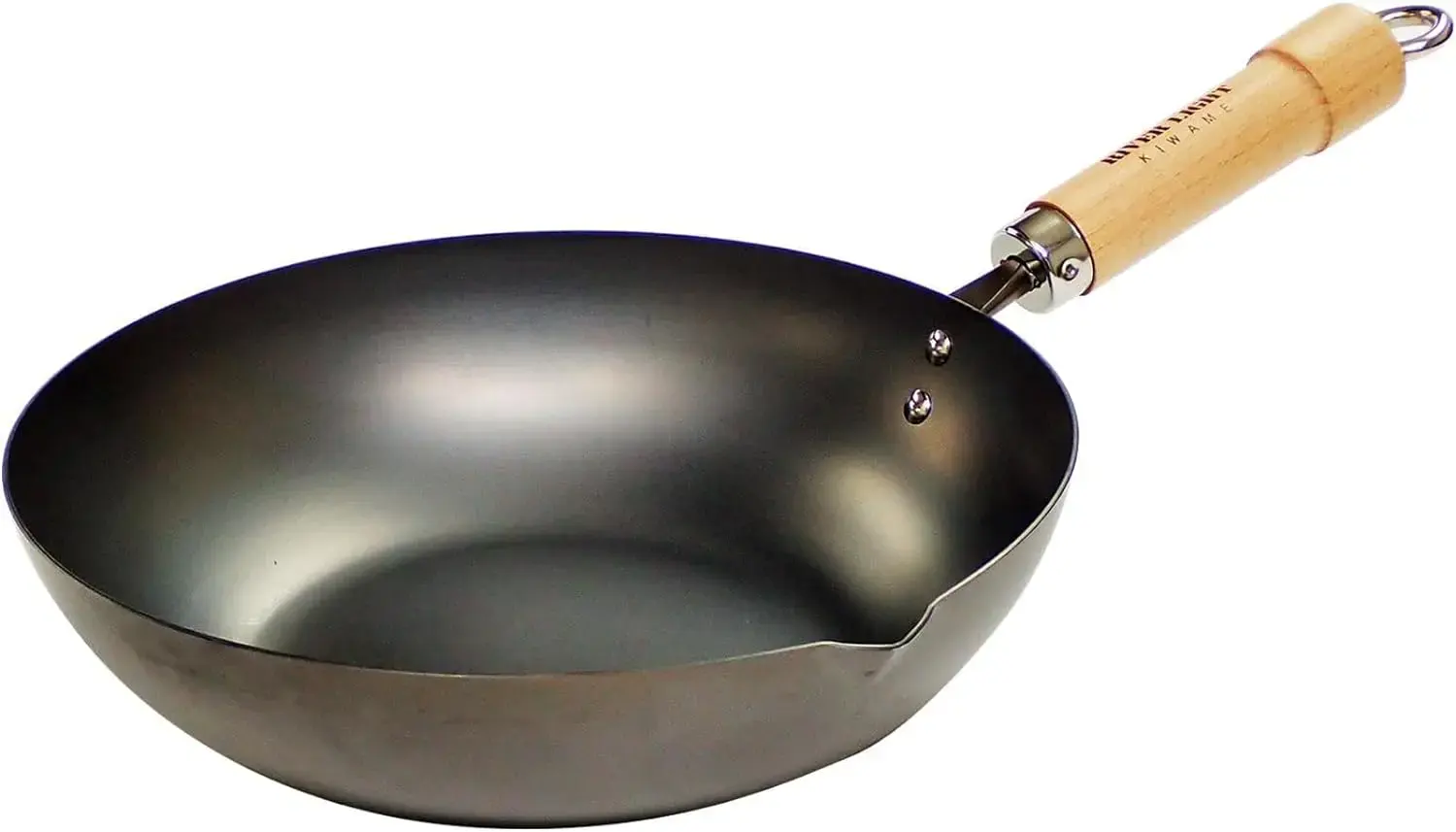 | (Riverlight) River Light Iron Frying Pan, Extreme Japan, 10.2 inches (26 cm), Induction Compatible, Made in Japan, Wok |

The wok is one of the most iconic pans you can own, but the material it's made from completely changes the game. Getting to know the real differences between carbon steel and cast iron is your first step to nailing high-heat cooking and achieving that incredible wok hei—the "breath of the wok."
There’s a reason professional chefs swear by carbon steel. It heats up in a snap and cools down almost as fast, giving you pinpoint control over everything in the pan. That kind of agility is exactly what you need for quick-fire stir-fries, letting you keep delicate veggies crisp and perfectly cooked.
A cast iron wok, on the other hand, is the heavyweight champ of holding heat. It takes its sweet time getting hot, but once it’s there, it stays there. This makes it a beast for searing meat without the pan temperature crashing. It's also fantastic for deep-frying, where steady, consistent heat is the secret to getting that perfect crispy finish. The shape also matters a lot, as a flat-bottom wok vs round bottom will perform differently depending on your stove.
To help you decide which one belongs in your kitchen, here’s a quick look at how they stack up against each other.
Carbon Steel vs Cast Iron Wok At a Glance
| Feature | Carbon Steel Wok | Cast Iron Wok |
|---|---|---|
| Heat Response | Heats and cools rapidly for precise control. | Heats slowly but retains heat exceptionally well. |
| Weight | Lightweight and easy to lift for tossing food. | Very heavy, making it difficult to maneuver. |
| Durability | Extremely durable but can warp under thermal shock. | Nearly indestructible but can crack if dropped. |
| Best For | Stir-frying, sautéing, and quick-cooking dishes. | Searing, deep-frying, braising, and slow cooking. |
| Seasoning | Develops a slick patina quickly; can be stripped by acids. | Builds a thick, rugged seasoning over time; more resilient. |
The bottom line is pretty simple: Go with carbon steel for the speed and control needed for classic stir-frying. Choose cast iron when your main mission is maintaining powerful, unwavering heat for deep sears and frying.
| | (Riverlight) River Light Iron Frying Pan, Extreme Japan, 11.8 inches (30 cm), Induction Compatible, Made in Japan, Wok |
How the Metal Itself Defines the Wok
To get to the heart of the carbon steel vs cast iron wok debate, you have to look at the metals themselves. Why one is a nimble speedster and the other is a heavyweight champion isn’t a matter of opinion—it’s baked right into their chemical makeup. That tiny difference in carbon content is what dictates everything that happens on your stove.
Carbon steel is an iron alloy with a pretty low carbon content, typically less than 2%. This recipe allows it to be stamped and stretched into a thin, smooth, and surprisingly light pan. It's this physical form that’s directly responsible for its iconic, fast-paced cooking style.
Cast iron, on the other hand, packs more carbon, usually between 2% and 4%. Instead of being pressed, this mixture is melted down and poured into a mold, creating a single, thick, and heavy piece of cookware with a more porous surface. That process is exactly what gives cast iron its legendary ability to hold heat and its rugged, almost indestructible feel.
Heat Responsiveness: The Carbon Steel Advantage
Stir-frying is all about speed. You need heat, and you need it now. Carbon steel's thin body lets the flame's energy rip right through the metal, going from cold to screaming hot in a minute or two.
But it’s not just about getting hot fast; it’s about control. If you see your garlic is a second away from burning, you can kill the heat, and the wok’s temperature drops almost instantly. This agility is what saves you from overcooking delicate ingredients like shrimp or thinly sliced veggies. It’s why you see professional chefs executing those perfectly timed stir-fries where a few seconds makes all the difference.
A carbon steel wok is like a sports car—it accelerates on a dime, brakes hard, and handles corners with precision. That nimbleness is non-negotiable for the high-heat, fast-moving action of a true stir-fry.
The popularity of both materials is undeniable. The global wok market was recently valued at USD 2.145 billion, with these two leading the pack for very different reasons. Home cooks and chefs choose carbon steel for its lightweight feel and rapid heating, making it a workhorse for frequent use. Cast iron gets the nod for its unmatched heat retention, which is critical for developing those deep, authentic flavors. You can dig into more of the numbers behind the global wok market trends on Reanin.com.
Heat Retention: The Cast Iron Stronghold
While carbon steel is quick on its feet, cast iron is a force of nature. It takes its sweet time to heat up, but once it gets there, it holds onto that heat with a vengeance. Think of it as a thermal battery, soaking up energy and releasing it in a steady, unwavering wave.
This trait makes a cast iron wok unbeatable for searing. When you toss a cold steak or a pile of chicken into a hot pan, a carbon steel wok might flinch, dropping in temperature for a moment. A cast iron wok just powers through, maintaining its intense heat to deliver a deep, even sear without breaking a sweat.
That stability is also a huge plus for deep-frying. Keeping oil at a constant temperature is the secret to getting crispy, non-greasy food, and cast iron’s stubborn refusal to cool down prevents the temperature swings that lead to soggy results.
Weight and Handling: Kitchen Realities
The difference in material creates a night-and-day experience when you’re actually cooking. A typical 14-inch carbon steel wok weighs in at a manageable 3 to 5 pounds. This isn’t just about comfort; it's a functional necessity. That light weight is what allows you to perform the classic stir-fry toss, launching food into the air to cook it evenly.
A cast iron wok of the same size? It can easily weigh 10 pounds or more. Forget tossing—that’s a workout most of us aren't signing up for. Cooking in a cast iron wok is a different dance entirely, one that relies on stirring and flipping with a spatula. It works, but it’s a different technique.
Here's how that weight difference plays out in the kitchen:
- Stir-Frying: Carbon steel is the undisputed king here, enabling the dynamic tossing motion.
- Washing: Trying to maneuver a heavy, slick cast iron wok in the sink can be a real struggle.
- Storage: Hanging a carbon steel wok from a pot rack is simple. Trying the same with a cast iron one requires some serious hardware.
In the end, the science of the metal dictates its purpose. Your choice in the carbon steel vs cast iron wok showdown comes down to which of these performance traits you value most for the way you cook.
The Impact on Cooking Style and Wok Hei

Choosing between a carbon steel and a cast iron wok isn't just about picking a material—it’s about choosing a cooking philosophy. Your choice directly influences your technique and, most importantly, your ability to achieve wok hei. This is that elusive, smoky "breath of the wok" that makes restaurant stir-fries so addictive. Each material offers a completely different path to that legendary flavor.
A carbon steel wok is built for speed and motion. Its thin walls and light build aren’t just for easy handling; they’re fundamental to the classic tossing technique that is the heart and soul of stir-frying. This constant movement keeps ingredients cycling from the brutally hot base to the cooler sides, cooking everything in a flash.
This high-flying action is where the magic happens. As you toss, tiny droplets of oil and moisture flick onto the superheated walls, instantly vaporizing and igniting into a controlled flare-up. It's that momentary kiss of flame that infuses the food with its signature smoky essence.
Achieving Wok Hei with Carbon Steel
The secret to carbon steel’s success is its responsiveness. It gets screaming hot in minutes, giving you the intense, immediate heat needed to vaporize oils and create that sought-after aroma. This isn't a slow char; it's a quick, explosive sear.
Think about making a delicate shrimp and snow pea stir-fry. In a carbon steel wok, you can get a perfect sear on the shrimp in seconds while the snow peas stay vibrant green and snappy. The rapid heat control lets you cook everything to perfection without it all turning to mush.
Wok hei in carbon steel is born from speed and fire. The wok is a conduit, channeling the raw energy of the flame directly into the food through dynamic tossing and instant vaporization.
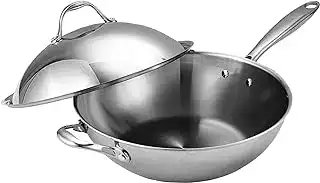 | Cooks Standard Stainless Steel Multi-Ply Clad Wok, 13" with High Dome lid, Silver |
Creating Wok Hei with Cast Iron
A cast iron wok takes a totally different approach to wok hei. It’s all about sheer, unwavering thermal power. It trades nimble tossing for an intensely hot, stable cooking surface that simply refuses to cool down.
Instead of relying on flare-ups from tossing, a cast iron wok generates wok hei through pure, brute-force searing. When food hits its scorching surface, moisture is instantly blasted away, and the natural sugars caramelize and char. This deep, radiant heat creates a smoky flavor that's rich, profound, and built from the ground up.
For those looking to go deeper into the art of wok cooking and perfecting Wok Hei, exploring specialized online culinary education can offer some incredible insights.
This method shines on standard home stovetops, which often lack the blowtorch-like BTU output of a commercial wok burner. While your home stove might not produce dramatic flames, the cast iron wok’s ability to store and radiate immense heat compensates, delivering a potent sear that mimics the effect.
A Tale of Two Stir-Fries
Let’s put these differences into action with a classic beef and broccoli dish.
The Carbon Steel Way: You’d preheat the wok until it's just smoking, then sear the beef in batches with constant tossing. You'd pull the beef out, flash-fry the broccoli and aromatics, then return the beef to the wok for a final toss with the sauce. The whole process is a high-energy dance of managing intense heat. The result? A bright, flame-kissed flavor.
The Cast Iron Way: With cast iron, you’d preheat the wok for longer, letting it build a deep reservoir of heat. You could add all the beef at once without the temperature plummeting, developing a dark, even crust. The broccoli gets a deep, satisfying char from the sustained heat. The flavor here is deeper, smokier, and more roasted—a product of relentless radiant energy.
Ultimately, your cooking style should guide your choice. If you dream of mastering the classic stir-fry toss and crave precision, carbon steel is your partner. If you prefer building deep, smoky flavors through powerful searing and appreciate a more forgiving, steady heat, the cast iron wok will serve you beautifully.
Understanding Wok Seasoning and Maintenance

Owning a great wok is less like a purchase and more like a relationship. You have to put in a little work to get the best out of it, and that work starts with seasoning. This isn't just about adding a coating; it's a fascinating chemical process where you bond thin layers of oil to the metal using high heat. It’s called polymerization, and it’s how you turn a simple piece of steel or iron into a naturally non-stick powerhouse.
With every cook, that slick, glass-like surface just gets better and better. When you’re weighing carbon steel vs cast iron wok, understanding how each one takes and holds its seasoning is probably the most important part of the decision. It will shape your entire cooking experience.
The Art of the Carbon Steel Patina
Your new carbon steel wok will likely show up with a factory coating on it to prevent rust. Your first job is to scrub that stuff off. Then comes the real fun: the initial seasoning. This is an active, hands-on process that usually involves blasting the wok with heat until it turns a moody blue-black, then carefully wiping on super-thin layers of a high-smoke-point oil.
Getting this first step right lays the foundation for a lifetime of non-stick cooking. From there, every stir-fry you make builds upon it, deepening the dark, beautiful patina. That patina is the soul of your wok, a visual history of every delicious meal you've ever made in it.
But you should know, a carbon steel patina needs a little coddling.
- Sensitivity to Acids: If you simmer a big batch of tomato sauce or a vinegary dish, you'll likely strip some seasoning, leaving behind dull, metallic-looking spots.
- Quick to Rust: This is non-negotiable. If you leave a carbon steel wok wet, it can start rusting in hours. It has to be dried thoroughly right after washing—most of us just pop it back on the stove for a minute to be sure.
- Continuous Maintenance: After every wash, a quick wipe with a lightly oiled paper towel is essential. This protects the surface until you're ready to cook again.
If this all sounds new to you, don't worry. The initial process is the most intensive part. For a great play-by-play, check out this guide on how to season a carbon steel wok to get started on the right foot.
Cast Iron's Forgiving Nature
Seasoning a cast iron wok works on the same scientific principle, but the whole experience is a lot more relaxed. Cast iron has a naturally porous and rougher surface, which gives the polymerized oil much more to cling to. The result is a thick, rugged, and incredibly durable non-stick layer.
Many modern cast iron woks even come "pre-seasoned" from the factory. While this is a decent starting point, the real non-stick magic happens as you cook with it, building up an even tougher and slicker surface over time.
A cast iron wok's seasoning is like armor—it's thick, tough, and becomes nearly impenetrable with use. It can withstand more abuse than carbon steel's delicate patina, making it a lower-stress option for beginners.
That thicker seasoning also makes cast iron more resistant to acidic foods, though simmering a bolognese in it for hours is still probably not the best idea. It's also far less likely to be completely stripped bare if you accidentally use a little too much soap.
Wok Care and Maintenance Routine Comparison
While the core ideas are similar, the day-to-day routine for each wok has some key differences. Seeing them side-by-side can help you figure out which one fits your kitchen habits best.
This table breaks down the typical care routine for both types of woks.
| Maintenance Task | Carbon Steel Wok | Cast Iron Wok |
|---|---|---|
| Daily Cleaning | Clean with hot water and a soft sponge. Avoid soap to protect the delicate patina. Dry immediately on the stove. | Can handle a tiny bit of mild soap if necessary. Scrape with a spatula for stuck-on food. Dry thoroughly. |
| Post-Cleaning | Apply a micro-thin layer of cooking oil with a paper towel before storing. | Apply a thin layer of oil to maintain the seasoning and prevent rust. |
| Rust Prevention | Critical. Must be kept perfectly dry and lightly oiled. Rust spots can form very quickly. | Important. Also prone to rust but its thicker build and seasoning can offer slightly more protection. |
| Storage | Best stored in a dry, open area, such as hanging from a pot rack. Avoid humid cupboards. | Store in a dry cabinet or in the oven. Place a paper towel inside to absorb any moisture. |
And here's the best part: if disaster ever strikes—maybe you find a nasty rust spot or the seasoning gets damaged and sticky—both woks are completely salvageable. You just have to strip the old seasoning off with some steel wool and elbow grease, then start the process all over again from scratch. It's a bit of a project, but this ability to be reborn is what makes these woks true "buy it for life" tools, something a coated non-stick pan can never be.
Why Carbon Steel Woks Dominate the Market
When you pit a carbon steel wok against a cast iron one, you start to see why the market has so clearly picked a favorite. Carbon steel woks are pretty much the go-to for both seasoned chefs and home cooks, and it’s not just by chance. Their popularity comes down to a perfect blend of pro-level performance and everyday practicality.
The biggest win for carbon steel is just how approachable it is. It's so much lighter than cast iron, which makes that classic stir-fry toss—the motion you need for real wok hei—something a normal person can actually pull off. That kind of maneuverability is a game-changer when you're trying to whip up a quick weeknight dinner.
Then there's the speed. Nobody wants to wait around for a heavy pan to heat up. A carbon steel wok gets screaming hot in just a few minutes, ready to go the second you are.
What the Market Says
This mix of nimble performance and pure convenience is why carbon steel is leading the pack. A recent analysis confirmed that carbon steel holds the biggest slice of the global wok market, easily beating out cast iron. The trend is driven by what people actually want: a wok that heats fast, is easy to handle, and doesn’t break the bank.
The numbers back it up. The global carbon steel cookware market, which includes woks, was valued at $2.1 billion and is expected to climb to $3.8 billion by 2033. This isn't just a small trend; it's a huge shift. You can dig into more of the data on the wok market at Allied Market Research.
The market doesn't lie: carbon steel's dominance is a direct reflection of its ability to deliver high-performance, authentic stir-frying results in a package that is lightweight, responsive, and affordable for the everyday cook.
At the end of the day, people vote with their wallets. The demand for versatile, high-heat cookware you don't need to be a bodybuilder to lift has made carbon steel the new standard. It’s the perfect entry point into traditional wok cooking, giving you a powerful tool to level up your skills without the literal and figurative weight of its cast iron cousin.
The Enduring Appeal of Cast Iron Woks
While carbon steel woks often take the prize for speed and nimbleness, the cast iron wok holds a timeless spot in the heart of the kitchen. It speaks to cooks who value tradition, heritage, and raw performance. This isn't just another piece of cookware; it's an heirloom in the making. Its 'buy-it-for-life' feel is a huge draw for anyone who appreciates sustainability and wants tools that can be passed down to the next generation.
This classic appeal isn't just limited to woks, either. You’ll find people debating the merits of different types of cast iron cookware for baking, which just goes to show how its fantastic heat-retaining abilities shine in all sorts of culinary settings.
 | T-fal Ultimate Hard Anodized Nonstick Wok 14 Inch Cookware, Pots and Pans, Dishwasher Safe Black |
The Power of Heat Retention
What really sets a cast iron wok apart is its incredible thermal mass. It’s not as quick on its feet as its carbon steel cousin, but its power to soak up heat and radiate it with a deep, steady intensity is second to none. This quality makes it the absolute king for high-heat jobs where holding a stable temperature is non-negotiable.
Think about where cast iron really shines:
- Deep-Frying: The wok keeps the oil temperature rock-steady, even when you drop in cold food. The result? Perfectly crisp textures, never greasy.
- Braising and Stewing: That ability to maintain a low, consistent heat for hours is exactly what you need for slow-cooking fall-apart-tender meats and veggies.
- A Killer Sear: It puts a serious, edge-to-edge crust on steak or chicken without the temperature dips that can mess up a good sear in lighter pans.
This unique set of skills is why cast iron still commands such a massive presence in the cookware market. In fact, market projections show the cast iron segment holding a 42.18% share, mostly thanks to its killer heat distribution. With the global wok market set to hit USD 3.00 billion by 2032, you can bet cast iron will play a big part. Dig into more stats about the global woks market on databridgemarketresearch.com.
For cooks who prioritize powerful, unwavering heat over lightweight maneuverability, the cast iron wok isn’t just an alternative—it’s an essential tool. Its rugged durability and unique cooking properties make it a timeless kitchen workhorse.
This ruggedness also makes it pretty low-maintenance. The thick, tough seasoning that builds up over time is famously forgiving. If you want to keep yours in top shape, check out our guide on how to care for cast iron for some practical tips and tricks.
Which Wok Is Right for Your Kitchen?
So, you're trying to decide between a carbon steel and a cast iron wok. Honestly, there's no single "best" answer here. The right choice really hinges on how you cook, what kind of stove you have, and what you personally value in a piece of cookware.
Let's ditch the generic advice and get practical. We’ve mapped out a few common cook profiles below. Find the one that sounds the most like you, and your decision will be a whole lot easier.
The Weeknight Stir-Fry Enthusiast
You're all about getting a fantastic, healthy meal on the table in under 30 minutes. Speed and control are your best friends in the kitchen. The thought of waiting around for a heavy pan to heat up just doesn't fly on a busy Tuesday night.
For you, carbon steel is the clear winner. It heats up in a flash and reacts the second you crank the heat up or down. That agility is what lets you nail the perfect sear on your garlic and ginger, flash-fry veggies so they stay crisp, and toss everything together like a pro. A carbon steel wok is lightweight, making that classic stir-fry flip feel natural, not like a workout.
The Culinary Traditionalist
For you, cooking is an art form—it’s about patience, heritage, and building deep, complex flavors from scratch. You’re drawn to tools that feel substantial, tools that could be passed down through generations. The sheer heft and raw power of a cast iron wok speak your language.
You're the kind of cook who takes immense satisfaction in achieving that perfect, deep-brown crust on a steak or slow-braising a pork shoulder until it's falling apart. The cast iron wok’s incredible heat retention is its superpower. It delivers a steady, unwavering heat that's unmatched for searing and is brilliant for deep-frying because it keeps the oil temperature stable. Its weight isn't a bug; it's a feature.

This chart really nails it: if you're after heirloom quality and a sear that just won't quit, cast iron is your path.
The Apartment Dweller with an Electric Stove
Living in a smaller space with an electric or induction cooktop throws a few curveballs your way. You need a wok that plays nice with your stove and is practical for your kitchen. The non-negotiable here is a flat-bottomed wok, and luckily, both materials have great options.
A flat-bottomed carbon steel wok is probably your most versatile bet. It’s light, so it’s easy to stash away in a packed cabinet, and it heats up quickly even on less-than-powerful electric burners. Its responsiveness is a huge plus, helping you avoid burning food when your electric coil takes forever to cool down.
That said, a flat-bottomed cast iron wok can be an absolute beast, especially on induction where its magnetic properties and heat retention truly shine. If you find yourself searing more than tossing and have a sturdy place to store it, the steady heat it provides can produce amazing results on any flat cooktop.
Final Recommendation: For most home cooks who want versatility, speed, and the ability to practice authentic stir-frying techniques, the carbon steel wok is the way to go. For those who prioritize a brutal sear, deep-frying, and a pan that will outlive them, the cast iron wok is an unbeatable kitchen workhorse.
At Cookware Review Hub, we're dedicated to helping you find the perfect tools for your kitchen. Explore our comprehensive guides and reviews to make your next cookware purchase with confidence. Learn more at https://www.cookwarereviewhub.com.