
Bone broth, a nutrient-dense elixir simmered for centuries, has re-emerged as a cornerstone of modern wellness. Praised for its gut-healing, joint-supporting, and skin-enhancing benefits, its true power is unlocked through proper technique and quality ingredients. Not all broths are created equal, and the secret to a rich, gelatinous, and flavorful result lies in the details of the process.
Now loading...
This guide demystifies the art of making exceptional bone broth. We will explore a curated collection of eight essential bone broth recipes designed for every kitchen and lifestyle. Whether you are a seasoned home cook with a cherished stovetop stockpot or a busy professional who relies on a trusty Instant Pot, there is a perfect method waiting for you.
Now loading...
We move beyond generic instructions to offer specific, actionable insights. You will find recipes covering every base:
- Classic, long-simmered beef broth.
- Quick, high-pressure chicken versions.
- Premium, grass-fed variants for maximum nutrient density.
- A "set-and-forget" slow cooker approach.
For each recipe, we'll break down the pros and cons of the method, provide practical tips for achieving crystal-clear results, and recommend the ideal cookware to make your broth-making journey a success. While the collagen and minerals in bone broth are foundational for musculoskeletal health, you may want to explore complementary support. For comprehensive support of your musculoskeletal system, exploring Bone and Joint Vitamins can provide additional insights beyond the foundational benefits of bone broth. Get ready to transform simple ingredients into a powerful and deeply nourishing staple.
1. Classic Beef Bone Broth (Long Simmer Method)
This is the foundational recipe that launched the modern bone broth movement. The long simmer method focuses on slowly and patiently extracting the maximum amount of collagen, gelatin, amino acids, and minerals from beef bones. By using a mix of marrow, knuckle, and joint bones simmered for 24 to 48 hours, you create a deeply nourishing, rich, and flavorful liquid that solidifies into a firm, jiggly gel when chilled.
Popularized by advocates like Sally Fallon of the Weston A. Price Foundation, this approach is less about speed and more about nutritional density. The extended, low-heat cooking breaks down connective tissues completely, resulting in a broth with a silky mouthfeel and profound, savory flavor. It's the ideal choice for those seeking the maximum therapeutic benefits of bone broth, from gut health support to joint and skin wellness. While it requires a significant time commitment, the actual hands-on work is minimal, making it a perfect weekend project.
How to Master the Long Simmer
Achieving a crystal-clear, flavorful broth requires a few key steps. The process is straightforward, but attention to detail makes all the difference. For this method, a large-capacity vessel is essential; a sturdy stockpot or a spacious Dutch oven both work well. If you're weighing your options, understanding the difference between a stock pot and Dutch oven can help you choose the best tool for heat retention and evaporation control.
- Blanch Your Bones: Before simmering, cover the bones with cold water, bring to a rolling boil, and let them cook for 15-20 minutes. Drain and rinse the bones thoroughly. This crucial first step removes impurities and results in a cleaner-tasting, clearer final product.
- Time Your Aromatics: Add vegetables like onions, carrots, and celery only during the final 4-6 hours of simmering. Adding them too early can cause them to break down completely and impart a bitter taste to your broth.
- Strain for Clarity: For an exceptionally clear broth, strain it twice. First, use a standard colander to remove the large bones and vegetables. Then, pour the broth through a fine-mesh sieve lined with cheesecloth to catch any remaining small particles.
- Chill and Skim: Cool the broth completely in the refrigerator. This allows the fat to rise to the surface and solidify into a hard cap. This fat cap can be easily removed and discarded or saved for cooking. Chilling also reveals the quality of your broth-it should be a firm, jelly-like consistency.
2. Instant Pot / Pressure Cooker Bone Broth (2-3 Hour Method)
For those who want the deep nourishment of traditional bone broth without the two-day commitment, the Instant Pot or pressure cooker method is a game-changer. This modern approach uses high pressure to dramatically accelerate the extraction of collagen, gelatin, and minerals from the bones. Instead of a low-and-slow simmer, the intense pressure breaks down tough connective tissues in just 2-3 hours, achieving a richness that would otherwise take a full day or more on the stovetop.

Popularized by the explosion of the Instant Pot community and wellness advocates like Dr. Sarah Ballantyne (The Paleo Mom), this technique makes nutrient-dense bone broth accessible for busy weeknights. It’s an incredibly efficient process that contains all the aromas, uses less energy, and consistently produces a gelatinous, high-quality broth. The sealed environment means no evaporation, resulting in a more concentrated flavor and no need to top off the water level. It's the perfect solution for anyone seeking maximum nutrition with minimal time and effort.
How to Master the Pressure Cooker Method
Success with a pressure cooker relies on understanding how to manage pressure and timing for the best results. The process is far less hands-on than stovetop methods, but a few specific techniques are key to a flavorful, nutrient-rich final product. Because this method is so fast and efficient, selecting the right appliance can make a significant difference; exploring the best pressure cookers available can help you find one that fits your kitchen's needs.
- Use Natural Pressure Release: Once the cooking cycle is complete, resist the urge to use the quick release valve. Allow the pot to depressurize naturally for at least 20-30 minutes. This gradual release prevents the broth from sputtering out of the valve and helps keep the liquid clear and full of dissolved nutrients.
- Don't Overfill: Adhere to the maximum fill line (usually about 2/3 of the pot's capacity) on your pressure cooker. Overfilling can interfere with the pot's ability to reach and maintain pressure safely, and it may lead to a weaker broth.
- Add an Acid: Include a tablespoon or two of apple cider vinegar before cooking. The acid helps break down the connective tissue and draw more valuable minerals out of the bones, enriching the final broth.
- Freeze for Convenience: Pour the finished, cooled broth into silicone ice cube trays or muffin tins. Once frozen solid, transfer the cubes to a freezer bag. This creates perfect, pre-portioned pucks of broth that are easy to add to soups, sauces, or to simply heat up for a quick mug.
3. Chicken Bone Broth (Light & Fast Variant)
This lighter, faster alternative to beef broth is prized for its delicate flavor and impressive nutritional profile. The chicken bone broth method focuses on using chicken carcasses, wings, and especially feet, which are exceptionally rich in collagen. Simmered for a shorter period, typically 12 to 24 hours, it produces a golden, savory liquid with a milder taste that's incredibly versatile for daily use in soups, sauces, or simply for sipping.

This style of broth is a cornerstone in many Asian culinary traditions and Traditional Chinese Medicine, where chicken feet are specifically sought for their high hyaluronic acid and collagen content, believed to support joint health and skin vitality. Its approachable flavor makes it a favorite among Paleo diet followers for everyday cooking, distinguishing it from the more robust, special-occasion beef bone broth recipes. The result is a nourishing, less fatty broth that gels beautifully when chilled but doesn't overpower other ingredients.
How to Master the Light & Fast Variant
Creating a high-quality chicken bone broth is about sourcing the right parts and managing the flavor profile carefully. Because chicken has a more subtle flavor than beef, the choice of aromatics and preparation steps are key to a successful outcome.
- Source High-Collagen Parts: The secret to a jiggly, gelatinous chicken broth is using collagen-rich parts. Seek out chicken feet, which are often available at Asian markets or local butchers. Combining a whole chicken carcass with a pound of feet provides an ideal balance.
- Blanch for Purity: Just like with beef bones, blanching is essential for a clean taste. Cover your chicken carcass and feet with cold water, bring to a boil for about 10-15 minutes, then drain and rinse everything well. This removes impurities that can make the broth cloudy or off-tasting.
- Use Gentle Aromatics: To complement the delicate chicken flavor, stick to mild aromatics. Sliced ginger and the white parts of scallions are excellent choices. Add them in the last few hours of simmering to prevent them from turning bitter.
- Store for Convenience: This broth is perfect for meal prep. Once cooled and skimmed, pour it into ice cube trays for small portions to add to sautés or into 1-cup freezer-safe containers for a quick and easy soup base.
4. Grass-Fed / Pasture-Raised Beef Bone Broth (Premium Variant)
This variant takes the foundational long-simmer method and elevates it by focusing intensely on the source of the bones. Using exclusively grass-fed, pasture-raised beef bones transforms a standard recipe into a premium, nutrient-dense elixir. This approach prioritizes sourcing from animals raised on their natural diet, which results in bones with a superior nutritional profile, including a better balance of omega-3 to omega-6 fatty acids, higher levels of conjugated linoleic acid (CLA), and increased concentrations of vitamins A and E.
Championed by leaders in the ancestral health space like Robb Wolf and Paul Saladino, this method is about quality over quantity. The belief is that the health of the animal directly translates to the nourishing power of the broth. For those following paleo, carnivore, or other wellness-focused diets, this isn't just a recipe; it's a commitment to sourcing the cleanest, most ethically raised ingredients possible. The resulting broth is often described as having a cleaner, richer flavor and is the go-to for anyone seeking maximum therapeutic value from their bone broth recipes.
How to Master a Premium Sourcing Approach
Creating a truly premium broth begins long before the pot is on the stove. It starts with building relationships and understanding how to select and enhance the highest-quality ingredients. This method is less about a different cooking technique and more about a different philosophy of ingredient selection.
- Forge Local Connections: The best way to secure high-quality, grass-fed bones is by going directly to the source. Connect with local farmers, ranchers, or butcher shops that specialize in pasture-raised beef. Buying in bulk can often reduce costs and ensures a steady supply. Ask for a mix of marrow, knuckle, and neck bones for the best gel.
- Boost with Functional Ingredients: To further elevate your broth, consider adding functional, anti-inflammatory ingredients during the final hours of simmering. A popular combination is turmeric, freshly ground black pepper, and ginger. For an adaptogenic boost, add medicinal mushrooms like reishi or lion's mane in the last 2-3 hours.
- Freeze for Freshness: When buying bones directly from a farm, request that they be frozen immediately after butchering. This preserves their freshness and prevents the development of off-flavors that can sometimes occur with aged bones, leading to a cleaner-tasting final product.
- Clarify and Store: Follow the same blanching, straining, and chilling process as the classic long-simmer method to achieve a clear, clean broth. Once chilled and the fat cap is removed, the firm, jiggly gel is a visual confirmation of the high collagen content extracted from the superior-quality bones.
5. Fish & Seafood Bone Broth (Fumet/Stock Variant)
This lighter, more delicate broth harnesses the nutrients from aquatic sources, creating a unique and flavorful stock with a subtle oceanic umami. While not a "bone" broth in the strictest sense, this variant extracts collagen, iodine, and minerals from fish skeletons, heads, and seafood shells like shrimp, crab, or lobster. The process is much quicker than traditional beef or chicken broth, typically requiring only 4 to 8 hours of simmering.
Popularized in classical French cuisine as fumet and a staple in many Asian and coastal culinary traditions, this seafood-based broth is now embraced by paleo and AIP practitioners. It offers a different nutritional profile, rich in omega-3 fatty acids and thyroid-supporting minerals. The result is a savory, light-bodied liquid perfect for seafood soups, paellas, risottos, or as a flavorful base for sauces, making it one of the most versatile bone broth recipes for pescatarian diets.
How to Master Seafood Broth
Creating a clean, non-fishy broth is all about sourcing quality ingredients and managing your simmer time carefully. Unlike beef broth, fish broth can turn bitter if overcooked. A wide, shallow pot is often preferred for this method to allow for even heat distribution without requiring vigorous boiling.
- Source Fresh Ingredients: Only use fresh or flash-frozen fish parts from a trusted fishmonger. Avoid using oily fish like salmon or mackerel, as they can produce a strong, overpowering flavor. Non-oily white fish like cod, halibut, or sole are ideal.
- Add Acidity and Umami: A splash of dry white wine or a tablespoon of white miso paste can add remarkable depth without extending the cook time. The acidity helps brighten the flavor and cut through any potential "fishiness."
- Mind the Clock: Do not simmer for more than 8 hours. The delicate bones and shells break down quickly, and prolonged cooking will extract bitter compounds, ruining the final product. A 4 to 6-hour simmer is often sufficient.
- Strain Immediately: As soon as the broth is done, strain it through a fine-mesh sieve lined with cheesecloth. Do not let the solids sit in the hot liquid, as this can continue to pull out unpleasant flavors.
- Freeze for Freshness: Fish broth is best enjoyed fresh. Freeze it in small, convenient portions (like ice cube trays) and plan to use it within three months for the best taste and quality.
6. Bone Broth Concentrate / Reduction Method (Ultra-Dense Variant)
This advanced technique takes a finished bone broth and elevates it to a new level of potency. The reduction method involves gently simmering an already-made broth for an additional 8 to 12 hours, allowing excess water to evaporate. The result is a thick, ultra-dense concentrate, similar in consistency to a classic French demi-glace, that packs an incredible nutritional and flavor punch in every spoonful.
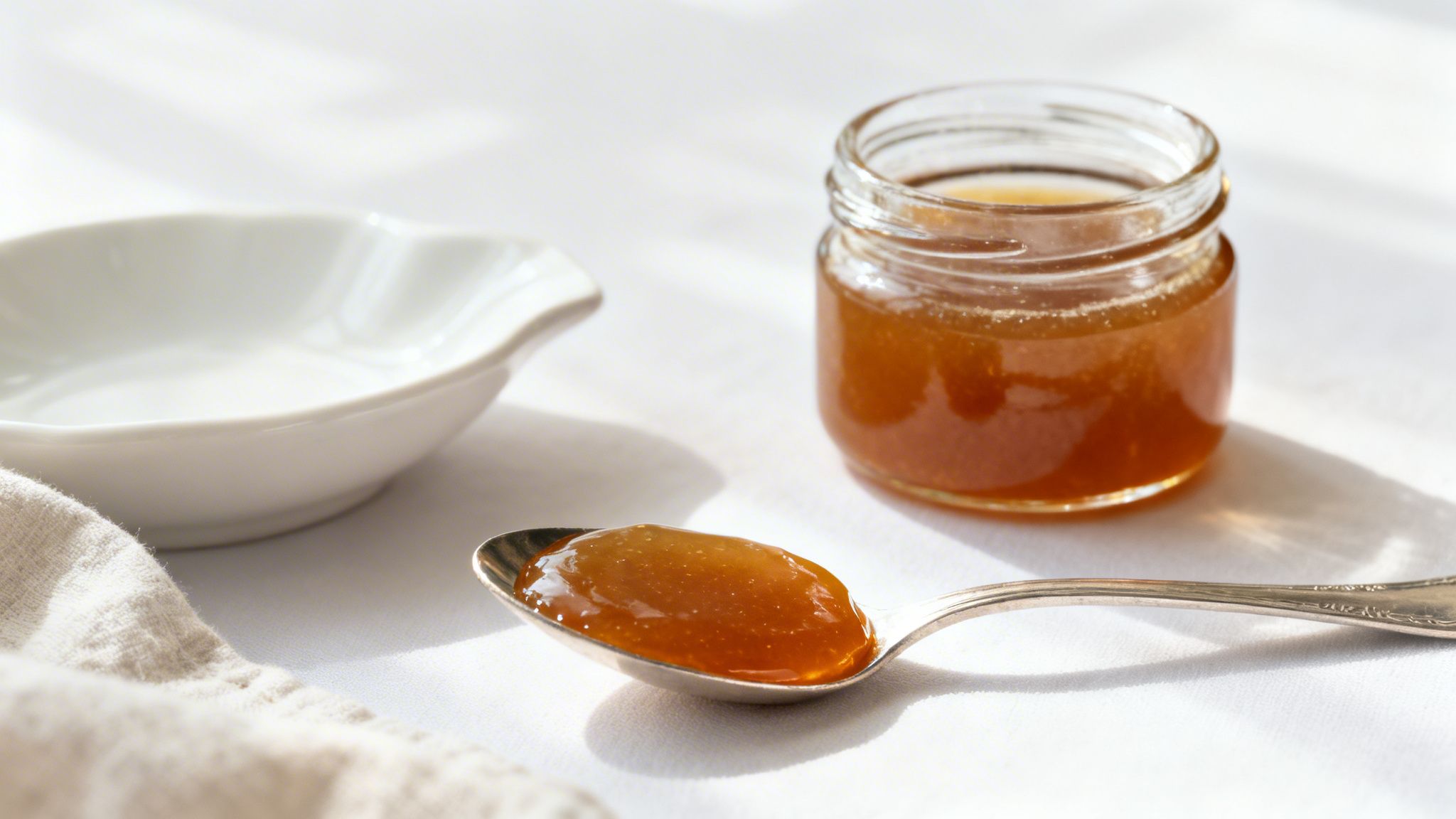
Popularized by performance athletes, biohacking communities, and premium brands like Kettle & Fire, this method is for those seeking maximum nutrient density and convenience. Instead of drinking a full cup of broth, a single tablespoon of concentrate provides a similar therapeutic dose of collagen and amino acids. It’s the perfect solution for those with limited freezer space or anyone wanting to add a quick, savory, and nourishing boost to coffee, smoothies, or sauces without diluting the original dish.
How to Master the Reduction Method
Creating a potent concentrate is a patient process that requires careful heat management to prevent scorching while encouraging evaporation. A low and slow approach is key. You can use a stovetop, but an oven provides more gentle, ambient heat that reduces the risk of burning the precious liquid.
- Choose Your Method: For a hands-off approach, pour your finished broth into an uncovered Dutch oven or stockpot and place it in an oven set to 225°F (107°C) for 8-12 hours. This provides even, all-around heat. If using the stovetop, maintain the lowest possible simmer with the lid off.
- Taste Periodically: After about six hours, begin tasting the broth every hour or two. The flavor will intensify dramatically, and it's easy to go too far, resulting in an overly salty or aggressive taste.
- Freeze for Convenience: Once reduced to your liking, pour the concentrate into silicone ice cube trays (typically 1-tablespoon portions). Freeze until solid, then transfer the cubes to a freezer bag. This creates perfect single-serving portions that are easy to use.
- Reconstitute or Use Directly: To enjoy as a traditional beverage, simply dissolve one concentrate cube in a mug of hot water. Alternatively, drop a cube directly into soups, stir-fries, or pan sauces for an instant, deep flavor and nutrient upgrade.
7. Collagen-Enhanced Bone Broth (Supplemented Variant)
This hybrid approach merges the ancient tradition of simmering bones with modern nutritional science. A collagen-enhanced broth starts with a standard, high-quality bone broth recipe and is then fortified with additional collagen peptides or gelatin powder. The goal is to maximize the bioavailable collagen content, targeting benefits for joint integrity, skin elasticity, and gut lining support. It’s a direct way to supercharge one of the primary health benefits of drinking bone broth.
This method has gained traction among fitness enthusiasts, biohackers, and functional medicine practitioners like Dr. Mark Hyman. By adding a measured dose of a supplement like Vital Proteins or Great Lakes Gelatin, you create a consistent, potent, and easily absorbable source of specific amino acids like glycine, proline, and hydroxyproline. It's the perfect solution for those wanting to ensure a high-impact dose of collagen without relying solely on the variable output of a traditional simmer. This makes it an excellent choice for injury recovery, athletic performance, or as part of a beauty-from-within regimen.
How to Master Collagen Enhancement
Fortifying your broth is simple, but a few techniques ensure you get a smooth, clump-free result without damaging the delicate protein structures. The key is to incorporate the supplement correctly into a finished or nearly finished broth.
- Proper Mixing Technique: To avoid clumps, always add collagen peptides to warm, not boiling, liquid. Whisk the powder in slowly and steadily for 2-3 minutes until it is fully dissolved. If using a slow cooker, add and stir in the supplement during the final 10 minutes of cooking to prevent potential thermal degradation.
- Boost with Vitamin C: For the body to synthesize its own collagen effectively, it needs vitamin C as a cofactor. Squeeze a tablespoon of fresh lemon juice or add a few slices of orange to your cup of broth just before drinking to support optimal absorption and utilization.
- Start and Titrate: If you are new to supplementing, begin with a smaller dose, such as 5 grams (about one scoop, depending on the brand) per serving. You can gradually increase this to 15-20 grams based on your personal health goals and tolerance.
- Combine with Healthy Fats: For added satiety and to support nutrient absorption, blend your finished collagen broth with a teaspoon of MCT oil or a tablespoon of grass-fed butter. This creates a creamy, rich, and satisfying beverage that fits perfectly within paleo and keto dietary frameworks.
8. Slow Cooker / Crock-Pot Bone Broth (Set-and-Forget Variant)
This method is the ultimate "set-and-forget" approach, making homemade bone broth accessible to even the busiest individuals. By using a slow cooker or Crock-Pot, you can simmer bones for 24 to 48 hours with minimal supervision, eliminating the need to watch a pot on the stove. This technique offers a consistent, low-and-slow heat source that gently extracts collagen, gelatin, and minerals, resulting in a nutrient-dense broth with very little hands-on effort.
Popularized by wellness bloggers and budget-conscious cooking communities, this variant has become a staple for those intimidated by traditional methods. Brands like Crock-Pot have even partnered with health influencers to promote easy bone broth recipes, highlighting the appliance's convenience. It's the perfect solution for beginners, people in small apartments without large stockpots, or anyone who wants to wake up to a finished, nourishing broth without dedicating a stovetop burner for two days.
How to Master the Slow Cooker Method
Success with this method comes down to a few simple adjustments for the enclosed, low-evaporation environment of a slow cooker. You'll need a model with at least a 6-quart capacity to yield a decent amount of broth. For those concerned with material safety during long cooking times, exploring the best non-toxic slow cooker options can provide additional peace of mind.
- Reduce Your Water: A slow cooker loses very little liquid to evaporation. Start with about one cup less water than you would for a stovetop recipe to prevent a diluted final product. The liquid should just cover the bones and aromatics.
- Give it a Head Start: For richer, more gelatinous broths, especially when simmering for 48 hours, begin the process on the HIGH setting for the first 2 hours. This initial heat boost helps start the breakdown of collagen before you switch to LOW for the remainder of the time.
- Strain Immediately: Once the cooking cycle is complete, do not let the broth sit and cool with the bones and vegetables. Strain it right away to prevent the solids from breaking down further and imparting off-flavors or cloudiness into your finished liquid.
- Automate Your Timing: If your slow cooker lacks a built-in programmable timer, connect it to an inexpensive outlet timer. You can set it to shut off automatically after your desired 24 or 48 hours, ensuring it doesn't overcook while you are asleep or away.
8-Variant Bone Broth Recipe Comparison
| Method | Complexity 🔄 | Resources ⚡ | Expected outcomes ⭐📊 | Ideal use cases 💡 | Key advantages |
|---|---|---|---|---|---|
| Classic Beef Bone Broth (Long Simmer Method) | High — 24–48h simmer; early skimming required 🔄 | Large stockpot or slow cooker; high energy use; basic, low-cost bones ⚡ | Very high collagen & mineral extraction; gelatinous when cooled ⭐⭐⭐ | Batch prep, nutrient-dense cooking, foundational recipes 💡 | Maximum nutrient density; deep savory flavor; well-documented |
| Instant Pot / Pressure Cooker Bone Broth (2–3 Hour Method) | Moderate — set-and-forget but requires pressure safety knowledge 🔄 | Instant Pot (6–8 qt); one-time equipment cost; low energy ⚡ | Comparable gelatin/collagen in shorter time; consistent results ⭐⭐ | Time-constrained cooks, weekday batches, small kitchens 💡 | Fast (⚡), energy-efficient, repeatable |
| Chicken Bone Broth (Light & Fast Variant) | Medium — 12–24h simmer; less skimming than beef 🔄 | Stockpot/slow cooker; source chicken feet/carcasses; lower fat ⚡ | High collagen (esp. feet); lighter flavor & color ⭐⭐ | Delicate soups, gut-support broths, Asian dishes 💡 | Faster than beef, milder flavor, lower cost |
| Grass-Fed / Pasture-Raised Beef Bone Broth (Premium Variant) | High — same long simmer with added sourcing complexity 🔄 | Large pot; premium/pasture-raised bones (higher cost) ⚡ | Higher micronutrient & cleaner fat profile; rich flavor ⭐⭐⭐ | Wellness-focused diets, premium retail, ethical sourcing buyers 💡 | Superior nutrient profile; supports regenerative farming |
| Fish & Seafood Bone Broth (Fumet/Stock Variant) | Low–Medium — short 4–8h cook; careful timing to avoid off-flavors 🔄 | Medium pot or Instant Pot; fresh fish parts/shells; quick use ⚡ | Lower gelatin but high iodine, selenium, marine minerals ⭐ | Seafood sauces, coastal cuisines, iodine-rich broths 💡 | Delicate umami; sustainable use of scraps; quick turnaround |
| Bone Broth Concentrate / Reduction Method (Ultra-Dense Variant) | Very high — extra 8–12h reduction; risk of scorching; requires experience 🔄 | Wide heavy-bottomed pot or oven/dutch oven; extended time & attention ⚡ | Extremely concentrated collagen/minerals per tsp; viscous when cooled ⭐⭐⭐ | Athletes, biohackers, travel-friendly nutrition, premium products 💡 | Ultra-dense nutrition per serving; portable; economical per use |
| Collagen-Enhanced Bone Broth (Supplemented Variant) | Medium — base broth plus measured supplement additions 🔄 | Standard cookware plus collagen peptides/gelatin; blender/frother ⚡ | Quantifiably higher collagen per serving; adjustable dosing ⭐⭐ | Post-workout, anti-aging, targeted recovery protocols 💡 | Easy to dose; bridges whole-food and supplement approaches |
| Slow Cooker / Crock‑Pot Bone Broth (Set-and-Forget Variant) | Low — programmable, minimal monitoring 🔄 | 6–8 qt slow cooker; low energy; small footprint ⚡ | Good collagen extraction over 24–48h; consistent results ⭐⭐ | Beginners, busy households, small kitchens, budget cooks 💡 | Accessible, energy-efficient, very low hands-on time |
Choosing Your Broth and Your Tools for the Perfect Simmer
You have now journeyed through a complete collection of bone broth recipes, each offering a distinct path to creating this deeply nourishing liquid gold. From the patient, profound richness of a classic 48-hour beef simmer to the quick and efficient magic of an Instant Pot chicken broth, the power to craft the perfect batch is firmly in your hands. This exploration has shown that there is no single "best" method; the ideal approach is the one that fits your schedule, your palate, and your wellness objectives.
The true secret to exceptional bone broth lies in a simple, two-part formula: high-quality ingredients plus the right equipment. A grass-fed beef broth simmered in a flimsy pot will never reach its full potential, just as a state-of-the-art pressure cooker can't salvage subpar bones. Your success starts with sourcing the best possible ingredients-pasture-raised chicken, grass-fed beef bones, or fresh fish frames-and pairing them with cookware that delivers consistent, reliable heat.
Key Takeaways for Your Bone Broth Journey
As you move from reading to simmering, keep these essential principles at the forefront of your practice:
- Method Matches Lifestyle: The "set-and-forget" slow cooker method is perfect for busy weekdays, while the long-simmer stovetop approach can be a rewarding weekend project. The Instant Pot provides a fantastic middle ground, delivering deep flavor in a fraction of the time. Choose the recipe that you can consistently execute.
- Flavor is Built in Layers: Roasting your bones and vegetables before simmering is a non-negotiable step for developing deep, complex flavor. Adding aromatics like ginger, turmeric, or star anise can further customize your broth to your liking. Don't be afraid to experiment.
- Patience Yields Potency: While quick methods are convenient, longer simmering times are what truly break down cartilage and connective tissues, releasing valuable collagen, gelatin, and amino acids. This process is what transforms simple stock into a nutrient-dense elixir.
Practical Next Steps for Simmering Success
With this knowledge, your path forward is clear. First, select a recipe that resonates with your current needs. Are you seeking a fast, light broth for cooking, or a thick, gelatinous concentrate for sipping? Once decided, assess your kitchen tools. A heavy-bottomed stockpot, a dependable slow cooker, or a modern pressure cooker is not just a piece of equipment; it is your partner in this culinary endeavor. Investing in quality cookware ensures even heat distribution, prevents scorching, and ultimately produces a superior final product.
Once your bone broth is perfected, considering how best to store or serve it is important. If you're making large batches for meal prep or planning to offer it in a café setting, a comprehensive guide to takeaway soup containers offers valuable insights into material and size options. Proper storage in glass jars, silicone trays, or appropriate containers will preserve the freshness and potency of your hard work. By mastering these foundational recipes and equipping your kitchen with the right tools, you can make this ancient healing food a modern, delicious, and restorative staple in your life.
Ready to find the perfect stockpot, slow cooker, or pressure cooker for your kitchen? Visit Cookware Review Hub for in-depth, unbiased reviews and buying guides. We help you choose the right tools to bring your culinary creations, from bone broth recipes to gourmet meals, to life. Find your perfect match at Cookware Review Hub.