If you’re just starting out, let me make it simple: the best all-around choice for most home kitchens is a 14-inch, flat-bottomed carbon steel wok.
Now loading...
This combination is the undisputed workhorse. It's the perfect size for family meals, heats up like a lightning bolt, and works on just about any stove you can throw at it—gas, electric, or induction. From a sizzling weeknight stir-fry to a batch of crispy fried chicken, this is the wok that will have your back.
Now loading...
Your Quick Guide to the Perfect Wok
Picking the right wok can feel a little overwhelming with all the options out there, but it really just comes down to a few key things about your kitchen and how you cook. The goal isn't to find the single best wok in the world, but to find the one that's perfect for you.
And you're not alone in looking for one. The wok market for home cooks was valued at a whopping USD 950.50 million in 2024 and is only expected to climb. This boom means more choices than ever, which makes getting the basics right even more important. We’ll walk through it together, step-by-step.
The Most Important Factors at a Glance
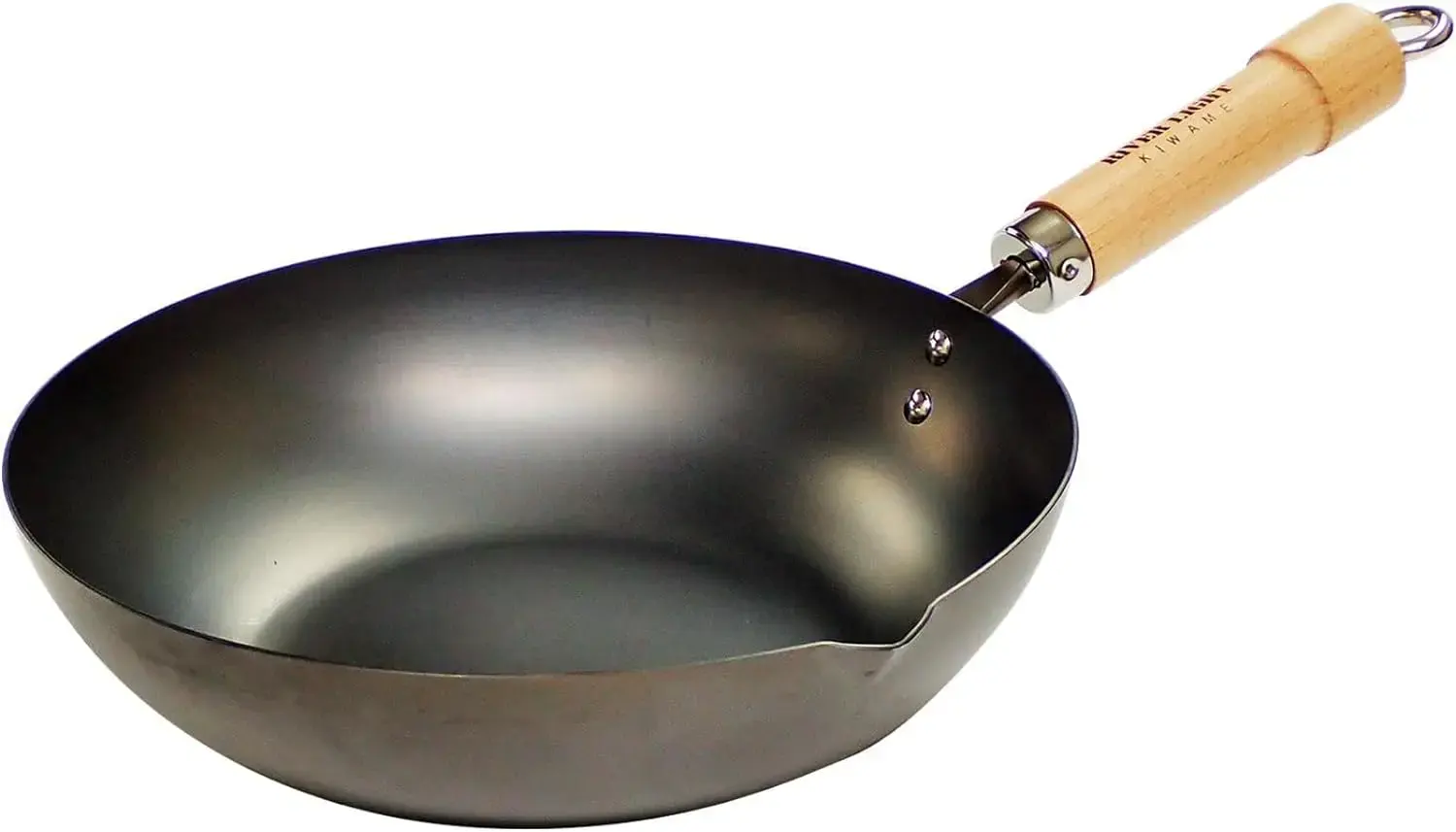 | (Riverlight) River Light Iron Frying Pan, Extreme Japan, 10.2 inches (26 cm), Induction Compatible, Made in Japan, Wok |
Before we get into the nitty-gritty details, let's simplify things. Your decision really hinges on three big questions: what kind of stove do you have, what size do you need, and which material fits your cooking style?
This flowchart breaks it down beautifully, showing you how to narrow down your options logically.

As you can see, your stove is the first domino to fall. It’s the most important factor and directly dictates the shape and even the material that will work best in your kitchen.
The secret to that incredible, smoky flavor you get in restaurant stir-fries—known as wok hei—isn't just about fancy technique. It's about raw, blistering heat. A good wok gets screaming hot in seconds, searing ingredients instantly instead of just steaming them. That intense, immediate heat is everything.
If you're curious about the kind of firepower that creates true wok hei, take a peek at professional commercial wok ranges. While they are total overkill for a home kitchen, they perfectly illustrate the high-output environment that woks were born to thrive in.
Now that we have the fundamentals down, let's dive into the specifics of materials, shapes, and other features. The following sections will break everything down, giving you the confidence to pick a wok you'll love for years to come.
Quick Wok Selection Guide
Feeling short on time? This table boils down the most important decisions to help you make a quick, confident choice.
| Feature | Best For Most People | Consider This If… | Key Benefit |
|---|---|---|---|
| Material | Carbon Steel | You prioritize ease of use (Nonstick) or heat retention (Cast Iron). | Carbon Steel: Heats fast, lightweight, develops natural nonstick patina. |
| Bottom Shape | Flat-Bottom | You have a powerful gas stove with a dedicated wok ring. | Flat-Bottom: Stable on electric, induction, and standard gas grates. |
| Size | 14-Inch | You're only cooking for 1-2 people (12-inch) or large crowds (16-inch). | 14-Inch: Versatile for 2-5 people, enough room to toss food. |
| Handles | Long Handle + Helper Handle | You prefer lifting with two hands for stability (two loop handles). | Long Handle: Easy to toss and flip food stir-fry style. |
This table is a great starting point, but reading the sections below will give you a much deeper understanding of why these recommendations work so well for most home cooks.
Understanding Wok Materials: Carbon Steel, Cast Iron, and Nonstick
Picking the right material for your wok is probably the single most important decision you'll make. It’s a choice that completely changes how the pan heats up, how it feels when you flip your ingredients, and what kind of attention it needs. Think of it like choosing an athlete for a specific sport—each material brings its own unique strengths to the game.

We're going to dive into the three main contenders for the best wok you can get for your home kitchen: carbon steel, cast iron, and nonstick. Each one has a totally different personality, and getting to know them is the key to matching the right metal to your cooking style.
Carbon Steel: The Responsive Traditionalist
 | SAFLON Titanium Nonstick 11 Inch Wok and Stir Fry Pan with Glass Lid Forged Aluminum with PFOA Free Scratch Resistant (Gray) |
In the world of woks, carbon steel is the undisputed champion. It's the go-to for professional chefs and home cooks who are serious about their stir-fry. If you've ever had mind-blowingly good takeout, chances are it was blasted to perfection in a carbon steel wok. This material is an alloy of about 99% iron and 1% carbon, a simple recipe for incredible performance.
This unique blend makes it much lighter than its cousin, cast iron. That means you can actually lift, shake, and toss your food—the classic moves that define great stir-frying. But its real superpower is how fast it responds to heat.
Crank up the burner, and a carbon steel wok gets screaming hot in seconds. Turn it down, and it cools off just as quickly. This gives you pinpoint control, letting you sear veggies perfectly without burning the garlic. Over time, it builds up its own slick, natural nonstick surface called a patina.
The Patina Advantage
A well-seasoned carbon steel wok develops a dark, glassy layer of polymerized oil. This is the ultimate organic nonstick coating—it’s tough, it repairs itself, and it literally gets better every single time you cook with it.
Best For:
- Authentic Stir-Frying: Nothing gets you that smoky, seared flavor known as wok hei like carbon steel can.
- Agile Cooking: Its light weight is perfect for anyone who loves the energetic action of flipping and tossing food.
- A Lifelong Investment: Take care of it, and a carbon steel wok will outlive you, becoming a treasured heirloom.
Of course, this kind of performance demands a little TLC. You'll need to season it before you use it and always keep it dry to prevent rust. But the payoff is a pan that can do things no other cookware can.
Cast Iron: The Heavyweight Heat Holder
Cast iron is the absolute powerhouse of the cookware world, famous for holding onto heat like nothing else. Where carbon steel is nimble and quick, cast iron is a slow, steady, unstoppable force. It takes a while to get hot, but once it's there, it stays incredibly hot for a long, long time.
This makes it the perfect tool for any cooking that needs stable, unwavering heat. Think deep-frying crispy spring rolls, where a drop in oil temperature means greasy, sad results. The thick, heavy walls of a cast iron wok are like a thermal battery, maintaining a constant temperature even when you add cold food.
But its weight is a big deal. A 14-inch cast iron wok can easily weigh over 10 pounds, making that classic stir-fry toss a non-starter for most of us. Its slow reaction to temperature changes also means you have less fine-tuned control, which can be a problem for delicate, fast-cooking dishes. While they're both iron-based, the differences are huge; you can dig deeper in our guide comparing carbon steel versus cast iron woks to see which is right for you.
Best For:
- Deep-Frying and Braising: Its amazing heat retention keeps oil steady and is fantastic for slow cooking.
- Serious Searing: It delivers an intense, even sear on meats and vegetables.
- Cooks Who Value Stability: If you don't plan on tossing food and want a pan that feels glued to the stove, cast iron is a rock-solid choice.
Nonstick: The Convenient Beginner
For pure, hassle-free convenience, nonstick woks are tough to beat, especially for beginners or anyone who just hates cleanup. These woks are coated with a layer of PTFE or a ceramic finish that lets food slide right out, making them fantastic for sticky sauces or scrambled eggs with almost no oil.
That ease of use is their main draw. There’s no seasoning process to worry about, and cleaning is usually just a quick wipe with a soapy sponge. For a lot of home cooks, that's a massive win for busy weeknight dinners.
But this convenience comes with some major trade-offs. Nonstick coatings simply cannot handle the blistering high temperatures needed for a real stir-fry. Taking them above 500°F (260°C) can ruin the coating and even release fumes. This means you’ll never achieve that legendary wok hei flavor. The coatings are also fragile—metal utensils are a big no-no—and the pans themselves have a limited lifespan. Eventually, they'll need to be replaced.
Best For:
- Beginners: They're incredibly forgiving and make it easy to learn the basics without food sticking to the pan.
- Low to Medium-Heat Cooking: Perfect for tasks that don't need intense heat, like steaming or gently simmering delicate sauces.
- Effortless Cleanup: If a pain-free cooking experience is your number one priority, a nonstick wok is your friend.
Choosing Your Wok Shape: Flat Bottom vs. Round Bottom
Once you've landed on a material, your next big decision is the shape of the wok's bottom. This isn't just a style choice; it's the single most important factor that determines how the wok will perform on your stove at home. Get this wrong, and you're in for a wobbly, inefficient cooking experience that turns stir-frying into a frustrating chore.

You'll really only see two designs out there: the traditional round-bottom wok and the more modern flat-bottom wok. Each is built for a totally different kitchen setup, and matching the shape to your stove is non-negotiable for getting the results you want.
The Traditional Round Bottom Wok
 | Helen's Asian Kitchen Helen Chen's Asian Kitchen Flat Bottom Wok, Carbon Steel with Lid and Stir Fry Spatula, Recipes Included, 13.5-inch, 4 Piece Set, 13.5 Inch, Silver/Gray/Natural |
Picture the roaring, specialized burners in a professional Chinese kitchen. Those stoves are built with crater-like openings designed to perfectly cradle the curved base of a traditional round-bottom wok. This design lets the flame travel up the sides, creating a massive, intensely hot surface that heats evenly from the very bottom all the way up the walls.
It's the original, and in many ways, the ideal shape. The seamless curve makes tossing and stirring ingredients a dream—your spatula just glides effortlessly along the interior.
But for most home cooks, there’s a huge catch.
- It's wobbly. Trying to balance a round-bottom wok on a flat electric coil, glass cooktop, or standard gas grate is like trying to balance a basketball on a countertop. It's unstable and frankly, dangerous.
- It heats poorly. Even if you use a wok ring for support, the actual point of contact with a flat burner is tiny. This leads to slow, wildly inefficient, and uneven heating.
A round-bottom wok only makes sense if you have a powerful gas stove and a sturdy wok ring to hold it securely over the flame. For any other type of cooktop, it's simply the wrong tool for the job.
The Modern Flat Bottom Wok
The flat-bottom wok is the brilliant adaptation designed for pretty much every modern home kitchen. It keeps the classic high, sloping sides but adds a small, flat circle at the base, usually about 4 to 6 inches across. This simple tweak solves all the problems of its round-bottomed ancestor on today's stoves.
That flat base gives it a wide, stable footprint that sits securely on any electric, induction, or ceramic cooktop. Even better, it creates maximum contact with the heating element for fast and efficient heat transfer. You get the high-heat searing power a wok is famous for, without any of the wobbling.
The flat bottom is the key that unlocks authentic wok cooking for the modern home. It delivers the stability and direct heat needed to achieve great results on electric and induction stoves, making it the most versatile and practical choice for the vast majority of households.
This design really gives you the best of both worlds. The high sides are still perfect for containing food when you're stir-frying, and the large volume works great for deep-frying or steaming. For a more detailed comparison, check out our complete guide on flat bottom vs round woks to help you lock in your choice. For almost every home cook, the flat-bottom wok is the undisputed champion.
Picking the Right Wok Size and Handle
Beyond what it's made of or the shape of its bottom, the size and handle of your wok are what you'll notice every single day. These details are less about pure heat performance and more about how the wok feels in your hands. Get it right, and the wok becomes an extension of your arm. Get it wrong, and cooking can feel clumsy and awkward.
Think about choosing a pot for soup. If it's too small, everything sloshes over the sides the second you try to stir. It's the same with a wok. Overcrowding is one of the biggest mistakes home cooks make, and it leads to steamed, soggy food instead of a vibrant, crisp stir-fry. Shoving too many ingredients in at once causes the pan's temperature to plummet, killing the high-heat sear you're working so hard to achieve.
Finding Your Goldilocks Size
For most home kitchens, the sweet spot for a wok's diameter is between 12 and 14 inches. This range is the perfect middle ground, offering enough cooking space without being a monster to handle on a standard stove.
- 12-Inch Wok: This is a fantastic choice if you're usually cooking for just one or two people. It’s lighter, heats up in a flash, and is a breeze to maneuver. The downside? It can feel a little cramped if you suddenly need to cook for guests.
- 14-Inch Wok: This is the workhorse, the most versatile and recommended size for most homes. It comfortably handles meals for a family of two to five, giving you plenty of room to toss ingredients around without sending them flying across your kitchen. It's got enough surface area to maintain that crucial high heat, even after you add your protein and veggies.
- 16-Inch Wok (and up): These woks are champs for cooking for a crowd, but they're often too big and unwieldy for a typical home cooktop. They can struggle to heat evenly across their massive surface and become a real pain to store and clean.
It's clear that home cooks are catching on to the value of having a great wok. The global wok market was valued at around $1.3 billion in 2024, with home cooks making up roughly 58% of all sales. This isn't just a restaurant tool anymore. For a deeper dive, check out these wok market trends on marketintelo.com.
Choosing Your Handle Style
Once you’ve zeroed in on the right size, the last piece of the puzzle is the handle. This choice comes down to how you plan to move your wok around—are you a tosser or a lifter? There are two main styles, and each has a clear purpose.
Mandarin Style (Single Long Handle):
This is the classic look you’ll see on most carbon steel woks. It has one long, stick-like handle, usually made of wood or steel.
This long handle is all about leverage. It's built for that iconic one-handed stir-fry toss, letting you flip and move food with a quick flick of the wrist. Many also have a small "helper handle" on the opposite side, which is a lifesaver for getting a stable, two-handed grip when the wok is full.
Cantonese Style (Two Loop Handles):
This design features two small, ear-like loop handles on either side of the wok. You'll find this style most often on heavy cast iron woks where tossing just isn't practical. The two-handed grip gives you incredible stability and control, making it much safer to lift a wok filled with hot oil for deep-frying or a heavy braise.
The right choice really boils down to your cooking style. If you dream of mastering the stir-fry toss, the Mandarin style is calling your name. But if you value rock-solid stability for lifting and carrying, the Cantonese style is the way to go.
How to Season and Care for Your Wok
A brand-new carbon steel or cast iron wok is a bit like a blank canvas. It’s full of potential, but it’s not quite ready for its first stir-fry masterpiece. To unlock its true power, you have to season it—and I’m not talking about salt and pepper. This is the timeless art of turning raw metal into a slick, naturally nonstick surface that will only get better with age.
So, what is seasoning? It’s simply the process of bonding an incredibly thin layer of cooking oil to the pan’s surface. When you crank up the heat, the fat molecules in the oil polymerize, creating a hard, glassy coating that’s fused directly to the metal. This layer builds on itself with every meal you cook, becoming darker, slicker, and more durable over time.

This patina is the secret sauce—an organic, self-repairing nonstick coating that chefs have relied on for centuries. It’s what gives you the confidence to toss delicate eggs and sticky sauces without fear, and it’s the key to turning your wok into a treasured kitchen heirloom.
The Initial Seasoning Process
 | T-fal Ultimate Hard Anodized Nonstick Wok 14 Inch Cookware, Pots and Pans, Dishwasher Safe Black |
That very first seasoning session is the most important one. It lays the foundation for the beautiful patina you'll build over years of cooking. Most new woks ship with a protective coating from the factory to prevent rust, and you have to get rid of every last bit of it before you begin.
Here’s a simple, step-by-step guide to get it done right:
- Scrub It Clean: Grab some steel wool and get aggressive. Wash the new wok with hot, soapy water, scrubbing hard to strip off that factory coating and expose the bare metal underneath. Rinse it completely.
- Dry It Completely: Place the clean wok on your stove over medium-high heat. You'll see the leftover water steam away. Heating it ensures every last drop of moisture is gone, which is critical for preventing rust.
- Apply a Micro-Layer of Oil: Turn the heat up to high. Put a tiny bit of high-smoke-point oil (like grapeseed or canola) on a paper towel and carefully wipe a paper-thin layer across the entire inside of the wok. You want it to look shiny, but not greasy or oily.
- Heat Until It Smokes: Let the wok heat up until the oil starts smoking heavily. You’ll see the metal change color, shifting from silver to shades of blue, brown, and eventually black. Swirl the wok to make sure the sides get just as hot as the bottom.
- Cool and Repeat: Once the smoke dies down, kill the heat and let the wok cool. That’s it! Your first layer is done. For an even stronger starting point, you can repeat steps 3 and 4 a few more times.
It might sound a little intimidating, but it’s a straightforward process once you get going. If you’re more of a visual person, our detailed guide explains how to season a carbon steel wok with pictures and extra tips to make sure your first time is a success.
Lifelong Wok Care and Maintenance
Once your wok has its initial seasoning, taking care of it is surprisingly simple. Your goal is to protect that hard-earned patina, not scrub it away. So, forget everything you know about cleaning modern nonstick pans; the rules for a seasoned wok are entirely different.
A seasoned wok is a living thing. It records the story of every meal you cook in its darkening surface. The rules of care are not about being difficult; they are about preserving that history and performance. Avoid soap, embrace a little oil, and always, always keep it dry.
Stick to these rules, and your wok will perform flawlessly for generations.
Cleaning Your Wok:
- No Soap Allowed: The number one rule is to avoid harsh detergents. Soap is designed to cut through grease, and it will strip away your seasoning.
- Use Hot Water: Right after you finish cooking, while the wok is still warm, rinse it with hot water. Most food bits will lift right off.
- Gentle Scrubbing Only: For stubborn pieces, use a soft sponge or a traditional bamboo wok brush. Stay away from steel wool unless you intend to strip it and start the seasoning process all over again.
Drying and Storage:
- Always Heat to Dry: Never, ever let your wok air-dry. After rinsing, pop it back on the stove over low heat for a minute or two until all the moisture has evaporated. This is the single best way to prevent rust.
- Apply a Maintenance Coat: Once it's bone dry, wipe a very thin layer of cooking oil on the inside with a paper towel. This protects the surface from humidity and reinforces the seasoning.
- Store in a Dry Place: Keep your wok in a cabinet or pantry where it won’t be exposed to moisture.
Following these simple steps isn’t just cleaning a pan; you’re investing in its future. A well-loved wok is an absolute joy to cook with, giving you a reliable, nonstick surface that only gets better with every meal you make.
Common Wok Questions Answered
Even with the perfect wok in hand, a few questions always pop up when you're just getting started. Think of this section as your quick-start guide, tackling the most common hurdles we see home cooks face.
We'll get into everything from stove compatibility to the secrets behind that incredible, smoky flavor you get at your favorite Chinese restaurant. Let's dive in.
Can I Use a Wok on an Electric or Induction Stove?
Absolutely. This is probably the number one question we get, and thankfully, the answer is simple.
The trick is to buy a flat-bottom wok. This is non-negotiable for electric and ceramic stovetops. A flat base guarantees maximum, stable contact with the heating element, which means efficient, even heating. A traditional round-bottom wok will just wobble around and never get truly hot.
For induction cooktops, there’s one extra rule: the wok must be made of a magnetic metal. Carbon steel and cast iron are perfect for this. Many modern stainless steel woks also have a special magnetic base built in just for induction cooking. Just be sure to check the product description before you buy.
What Is Wok Hei and Can I Achieve It at Home?
Wok hei literally translates to the "breath of the wok," and it's that elusive, smoky, deeply seared flavor that makes restaurant stir-fries so addictive. While professional kitchens have jet-engine burners that make it easier, you can definitely get close to it at home.
The secret isn't complicated: it’s all about blistering high heat. You need to get your wok screaming hot before any food or oil goes in.
Here’s how to set yourself up for success:
- Pick the Right Pan: Carbon steel or cast iron are your best friends here. They get incredibly hot and stay that way.
- Don't Crowd the Wok: This is a classic rookie mistake. Tossing in too much food at once instantly drops the pan's temperature, causing your ingredients to steam instead of sear. Cook in small batches for the best results.
- Keep Things Moving: Constant stirring and tossing is key. It ensures every piece of food makes direct contact with that super-hot surface without having a chance to burn.
A powerful gas burner is the gold standard, but a good flat-bottom wok on a strong electric or induction burner can still produce fantastic results. One pro tip: when adding liquids like soy sauce, pour them around the fiery-hot rim of the wok, not directly onto the food. The sauce sizzles and caramelizes for a split second, adding an incredible layer of flavor.
How Do I Fix Rust on My Carbon Steel Wok?
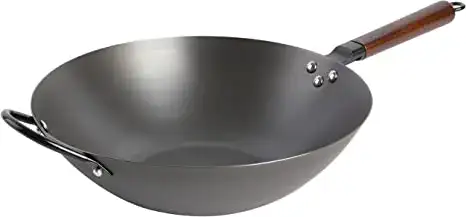 | Babish Carbon Steel Flat Bottom Wok and Stir Fry Pan, 14-Inch |
First, don't panic! Seeing a spot of rust on your new carbon steel wok is totally normal and easily fixed. It just means a little moisture got left behind after washing.
Here's a simple three-step fix to get it looking brand new:
- Scrub the Rust Off: Grab an abrasive scrubber, like steel wool, add a tiny bit of water, and scrub away every last trace of rust.
- Dry It Completely: Rinse the wok clean, then put it on your stove over low heat. Let the heat evaporate every single drop of moisture until it's bone dry.
- Re-Season the Spot: Dab a paper towel in a high-smoke-point oil (like canola or grapeseed) and wipe a razor-thin layer onto the area you just scrubbed. Heat the wok until the oil starts to smoke lightly, then turn off the heat and let it cool.
That’s it! With proper care—always drying your wok on the stove after washing and wiping a tiny bit of oil inside before storing—rust will be a thing of the past. As you build out your Asian cooking toolkit, you might also want to look into other essentials, like reliable rice cookers, to complete your setup.
At Cookware Review Hub, our goal is to help you find the perfect tools to make your kitchen adventures more successful and enjoyable. Explore our detailed reviews and guides to find the best gear for your cooking style at https://www.cookwarereviewhub.com.