Staring at a wall of cookware can feel like a pop quiz you didn't study for, but your search for the best nonstick skillet just got a lot easier. While the perfect pan is a personal thing—it really depends on your go-to meals and cooking habits—the top performers all share a few key traits: a seriously durable coating and construction that heats up evenly. This guide is here to cut through the marketing fluff and help you find a reliable skillet that actually delivers.
Now loading...
Finding Your Perfect Non Stick Pan
The first step to choosing the right pan is learning to see past the flashy promises on the box. We’re going to dig into the real differences between coatings, materials, and designs that will actually affect your day-to-day cooking. You’ll learn how to tell PTFE from ceramic, match the right pan size to your family’s appetite, and understand why your type of stovetop is a make-or-break factor in your decision.
Now loading...
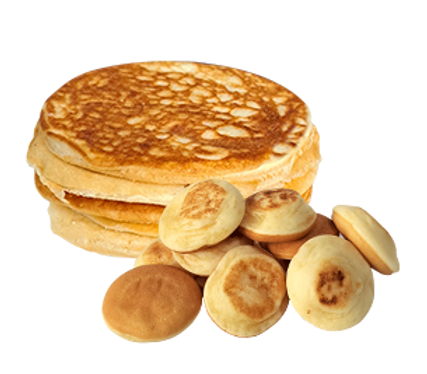
The goal here is simple: to arm you with the kind of practical knowledge you need to invest in a skillet that makes cooking less of a chore and a lot more fun. A top-tier nonstick pan really proves its worth when you're tackling delicate foods that demand a perfect release, like when you're cooking perfect pancakes.
Why Non Stick Is a Kitchen Staple
The magic of nonstick cookware is hard to deny, and its explosive growth in kitchens everywhere proves it. The global market was valued at around USD 19.6 billion and is expected to hit USD 27.4 billion by 2030. This isn't just a fad; it points to a real shift toward healthier, low-oil cooking and the simple joy of a quick cleanup. You can learn more about this trend in the full nonstick cookware market analysis.
A great nonstick skillet isn’t just a tool; it’s a partner in the kitchen that simplifies cooking, reduces frustration, and encourages culinary creativity. It empowers you to tackle everything from a simple fried egg to a delicate fish fillet with confidence.
What This Guide Will Cover
Think of this guide as your roadmap to ending the frustrating cycle of buying pans that just don't last. We'll walk you through all the essential details to make sure you land on a skillet you’ll love for years.
- Coating Technologies Explained: We'll demystify the science behind PTFE (think Teflon) and ceramic surfaces, breaking down how they stack up in terms of durability and heat tolerance.
- Sizing and Shape: Get the lowdown on how to match an 8-inch, 10-inch, or 12-inch skillet to your family size and the kind of meals you actually cook.
- Stovetop Compatibility: We’ll cover why some pans work with induction cooktops and others fall flat, so you can be sure your new skillet will perform perfectly on your stove.
- Maintenance and Longevity: Learn the simple, effective tricks to extend the life of your nonstick surface and protect your investment.
Decoding the Different Non Stick Coatings
The magic behind a great non stick skillet isn't an ingredient you add—it's the slick, microscopic layer bonded to the cooking surface. This coating is what gives you that flawless egg slide and makes cleanup feel like a cheat code. Getting to know the two main players, PTFE and ceramic, is your first step to picking a pan that actually works for your style of cooking.
Think of a classic PTFE (polytetrafluoroethylene) coating—what most people know by the brand name Teflon—as a perfectly slick sheet of ice. Food just glides right over it with almost no friction. This makes it incredibly forgiving for delicate foods like fish fillets or pancakes, and it's the reason PTFE has been a kitchen superstar for decades.
A ceramic coating, on the other hand, is more like a highly polished granite countertop. It’s naturally slick and works well, but it doesn't have that same supernatural glide you get from PTFE. Ceramic coatings come from a sand-derived silicon, creating a hard, glassy surface that's completely free of traditional plastics.
PTFE The Time-Tested Workhorse
When it comes to pure non stick muscle, PTFE is tough to top. Its surface is so slick that food has virtually nothing to grab onto, which guarantees an easy release almost every time. This makes it a fantastic choice for beginners or anyone who just wants foolproof results with minimal oil. The performance is consistent and reliable, which is why it’s still the go-to for countless home cooks and professional chefs.
But all that performance comes with a couple of ground rules. PTFE coatings don't love extreme heat. Pushing past 500°F (260°C) can cause the surface to degrade and release fumes. While that’s way hotter than you’d need for most cooking, it's why you should never preheat a PTFE pan empty on high or use it for searing a steak—that's a job for cast iron or stainless steel.
A quick but important note: You might have heard scary things about PFOA (perfluorooctanoic acid). That chemical was used in the PTFE manufacturing process years ago, but it was completely phased out by reputable manufacturers back in 2013. Today’s PTFE pans are PFOA-free and perfectly safe for your kitchen when used as directed.
This chart breaks down the key decisions you'll make when picking a skillet, starting with that all-important coating.

As you can see, once you nail down the coating, decisions about size and what works with your stovetop fall into place, leading you to the right pan for your kitchen.
Ceramic The Natural Alternative
Ceramic non stick has really taken off as the popular alternative to PTFE. Its biggest selling point is that the coating is made without any fluoropolymers, often marketed as a "green" or "healthier" choice for people who want to avoid chemicals altogether. If you want to go deeper on this, our guide on PFOA and PTFE-free cookware has all the details.
One of the best perks of ceramic is its impressive heat tolerance. Many ceramic pans can handle temperatures of 600°F (315°C) or even more, which makes them way more versatile for recipes that start on the stove and finish in a ripping hot oven.
The trade-off, however, often comes down to longevity. A brand-new ceramic pan is a joy to cook with, but its non stick ability can fade much faster than a quality PTFE pan's. This is especially true if you frequently use it over high heat or run it through the dishwasher. Over time, the surface can get a bit grippy and prone to stains, requiring a little more TLC to keep it in top shape.
Non Stick Coating Showdown PTFE vs Ceramic
So, which one is right for you? It really boils down to what you value most in the kitchen. Do you want the absolute best food release and durability, or is a plastic-free surface that can handle higher heat your top priority?
This quick table breaks down how the two stack up against each other.
| Feature | PTFE (Teflon-style) | Ceramic (Sol-gel) | Best For |
|---|---|---|---|
| Non Stick Ability | Top-tier and very long-lasting with proper care. | Excellent at first, but can fade faster over time. | PTFE for foolproof, everyday non stick cooking. |
| Durability | High-quality versions are built to last for years. | Can be more brittle and prone to chipping. | PTFE generally has a longer lifespan for its non stick properties. |
| Heat Tolerance | Safe up to 500°F (260°C). | Often safe up to 600°F (315°C) or higher. | Ceramic for recipes that need to go from the stovetop into a hot oven. |
| Utensil Use | Needs silicone, wood, or nylon—no metal! | Also needs non-metal utensils to avoid scratching. | Tie. Both require soft utensils to protect the surface. |
| Safety | PFOA-free and safe when not overheated. | Inert and naturally free of PFOA and PTFE. | Ceramic for those who want to avoid all fluoropolymers. |
Ultimately, if you're mostly cooking eggs, pancakes, and delicate fish on low-to-medium heat, a good PTFE pan gives you unmatched performance and will last longer. But if you want a pan that can go into a hot oven and prefer to avoid PTFE entirely, a ceramic skillet is a great choice—just be ready to treat it with a little extra care.
Choosing the Right Skillet Size and Shape

It’s easy to get caught up in all the talk about high-tech coatings and fancy materials, but let's be honest—if the pan is the wrong size, it’s not going to get much use. The best non-stick skillet for your kitchen is one that actually fits the way you cook.
Go too small, and your food will steam instead of sear. Go too big, and you're just heating up empty metal. Getting the size and shape right is just as crucial as the non-stick surface itself.
Match the Diameter to Your Dinner Plate
Think of skillet sizes not in inches, but in meals. The most common sizes you'll see are 8, 10, and 12 inches, and each one is built for a specific job.
8-Inch Skillet: This is the solo cook's workhorse. It’s perfect for frying a couple of eggs, flipping a single grilled cheese, or toasting a handful of nuts. It heats up lightning-fast and is incredibly easy to handle.
10-Inch Skillet: If you only have room for one pan, this is probably it. The 10-inch is the quintessential all-rounder, comfortably handling dinner for two. It gives you enough room for two chicken breasts or a generous pile of scrambled eggs without any crowding.
12-Inch Skillet: Cooking for the family? Meal prepping for the week? The 12-inch skillet is your best friend. Its generous surface area lets you sear multiple pork chops, simmer a family-sized sauce, or brown a pound of ground beef without turning it into a steamy mess.
A classic mistake is buying a small pan to save cabinet space, only to realize it can’t handle your go-to recipes. You’re almost always better off with one perfectly sized 10- or 12-inch pan than two small ones that just make cooking a hassle.
Still on the fence? Our detailed guide can help you figure out exactly "What size skillet do I need?" by taking a closer look at your cooking habits.
Skillet Walls: Flared vs. Straight
The shape of a skillet’s walls might seem like a minor detail, but it completely changes how you cook. The two main styles, flared and straight, are each designed for different tasks.
A classic frying pan has flared, sloped sides. This shape is pure genius for fast-cooking techniques. The gentle slope makes it a breeze to slide a spatula under an omelet or, with a quick flick of the wrist, toss sautéing vegetables like a pro. Flared sides also help moisture evaporate quickly, which is the secret to getting a great, crispy sear.
On the other hand, a sauté pan—often confused with a skillet—has tall, straight sides. Those vertical walls are fantastic for containing liquids, making it the right tool for simmering sauces, braising meats, or shallow frying. You get more flat cooking surface for the same diameter, but flipping and tossing becomes much trickier.
Thinking about how your tools fit into your kitchen is also part of the equation. Finding the right space-saving kitchen tools can make a huge difference in your daily workflow.
For most of us looking for the best non-stick skillet, the classic flared-side frying pan is the most versatile choice for everyday stuff like eggs, fish, and pancakes. If you find yourself making a lot of one-pan pasta dishes or creamy sauces, a skillet with slightly higher sides offers a perfect compromise.
How to Match Your Skillet to Your Stovetop
You can buy the most expensive, top-rated nonstick skillet on the market, but if it’s a bad match for your stovetop, it’ll feel like a total dud. It’s one of the most overlooked parts of buying cookware, but the connection between your pan’s material and your stove’s heat source is absolutely critical. Getting this pairing right is the secret to the even heating and reliable performance you paid for.
A pan that sings on a gas flame might struggle on a glass cooktop, and an induction stove has its own set of non-negotiable rules. Understanding these differences isn't just trivia—it'll save you from a frustrating purchase and help you unlock your skillet’s true potential.
The Special Case of Induction Cooktops
Induction stovetops are ridiculously efficient. They use powerful magnetic fields to generate heat directly inside the cookware itself. Think of it like a magnetic handshake; if the pan can’t “shake hands” with the cooktop, nothing happens. No heat, no sizzle, nothing.
This means your skillet must have a magnetic base to work. Period.
Most modern nonstick pans built for induction have a stainless steel plate bonded to the bottom, but you can’t always tell just by looking. Luckily, there’s a foolproof test.
Here’s how to check any pan in seconds:
- Grab a simple fridge magnet.
- Hold it flat against the bottom of the skillet.
- If the magnet grabs on tight, you’re good to go—the pan is induction-compatible.
If there’s no pull, that pan will stay stone-cold on your induction burner, no matter how high you crank the dial. This one simple test can save you from buying a skillet that's completely useless in your kitchen. If you're curious about the specifics, our guide explains in detail what 'induction ready' really means.
Gas Stoves: The Flexible Powerhouses
Gas stoves are the most forgiving of the bunch. Because their open flame heats the pan directly, they work with pretty much any cookware material you can throw at them. Whether your skillet is made of aluminum, hard-anodized aluminum, or has a steel base, a gas burner will get it hot.
But there’s a small catch to all that flexibility. An open flame can create intense hot spots, especially if you’re using a thin, flimsy pan.
This is where a skillet’s build quality really matters. A well-made nonstick pan with a thick, heavy base—often made of forged aluminum or featuring a multi-ply construction—is your best friend on a gas stove. It does a much better job of soaking up that direct flame and spreading the heat evenly across the entire cooking surface. Without a solid base, you’ll find the center of your pan gets scorching hot while the edges are still trying to catch up.
For gas stove users, the thickness and quality of the skillet's base are more important than the material itself. A heavy-gauge pan is your best defense against the uneven heat of an open flame, preventing scorching and ensuring a consistent cook.
Electric Coil and Glass-Top Stoves
For anyone cooking on a traditional electric coil stove or a sleek, smooth glass-top range, one thing is non-negotiable: a perfectly flat bottom. These stovetops heat through direct physical contact. Any warping, dents, or even a slight curve in the base of your skillet creates a gap, killing the heat transfer.
When the pan doesn't sit flush, you get frustratingly patchy cooking. One side of an omelet might be beautifully golden while the other is still pale and runny.
- For Electric Coils: A wobbly pan isn’t just inefficient; it's unstable and a potential safety hazard.
- For Glass Cooktops: A flat base ensures maximum contact for even heating and helps prevent scratches on the delicate glass surface.
When you're shopping, you can do a quick check right in the aisle. Place the skillet on a flat counter and press down on the handle or the rim. If it rocks or spins, it’s going to be a nightmare on an electric stove. Always look for skillets advertised as having a warp-resistant, heavy-gauge base to guarantee you get that perfect contact for flawless results.
Simple Ways to Extend the Life of Your Non Stick Pan
Buying a great nonstick skillet is the easy part. The real payoff comes from knowing how to keep that slick surface in prime condition. A little bit of intentional care goes a long way, ensuring you get flawless performance for years, not just a few months.
The good news? You don't need some complicated routine. Just a few simple habit changes can prevent the scratches, warping, and residue buildup that send most pans to an early retirement. Let's walk through the non-negotiables that will turn you from a buyer into a knowledgeable owner who gets the most out of their investment.

Master the Heat and Utensil Rules
The two fastest ways to ruin a nonstick pan? Blasting it with heat and scraping it with the wrong tools. These surfaces are built for finesse, not brute force. Think of that coating as a delicate, high-performance layer that needs a gentle touch.
Cooking on low to medium heat is your skillet's best friend. Searing heat can cause the coating to break down over time, killing its effectiveness and even causing the pan's metal base to warp. A quality pan is designed to distribute heat efficiently anyway, so you rarely need to crank the dial to the max.
Just as crucial is what you cook with. Metal spatulas, forks, and knives are guaranteed to scratch and chip the coating, creating tiny imperfections where food will eventually start to stick.
Your Go-To Utensil Kit Should Include:
- Silicone: It's flexible but sturdy, perfect for everything from flipping pancakes to scraping down the sides of the pan without leaving a mark.
- Wood or Bamboo: These natural materials are gentle on nonstick surfaces and have a classic, comfortable feel.
- Nylon: A budget-friendly and totally safe option that won't harm the coating.
Avoid Thermal Shock and Harsh Cleaning
Ever finished cooking and immediately plunged the hot pan into a sink of cold water? That dramatic sizzle is the sound of your pan suffering from thermal shock. This rapid temperature change can cause the metal to warp, creating an uneven cooking surface and putting serious stress on the nonstick coating.
Always let your skillet cool down for a few minutes before washing. This simple act of patience is one of the most effective ways to prevent long-term damage and keep the pan's base flat and stable.
When it's time to clean, gentleness is everything. Abrasive scrubbers like steel wool or harsh scouring pads will literally strip the nonstick layer away. Stick to a soft sponge or cloth with warm, soapy water. For stubborn, stuck-on bits, a simple paste of baking soda and water works wonders. And while many pans are labeled "dishwasher safe," handwashing is always the kinder, better choice for longevity.
The demand for easy-to-clean cookware is a huge driver in the global market. The European nonstick cookware market, for example, holds over 30% of the global share, bringing in around USD 2.46 billion in revenue. North America is an even bigger player, valued at USD 10.06 billion. You can dig deeper into these global nonstick cookware market trends if you're curious.
Smart Storage to Prevent Scratches
How you store your skillet is just as important as how you cook with it. Tossing it into a drawer or stacking other pots on top is a recipe for disaster—or at least, a recipe for scratches and dings. The goal is to keep that precious surface from grinding against other metal cookware.
Here are a few easy storage solutions:
- Hang It Up: A pot rack is a fantastic way to keep your skillets separated, protected, and easy to grab.
- Use Pan Protectors: These soft, felt dividers are an inexpensive way to cushion your pans when you have to stack them in a cabinet.
- Repurpose Towels: In a pinch, a simple paper towel or a thin dish towel placed inside the pan works just as well to create a protective barrier.
By adopting these simple habits—controlling your heat, using soft utensils, avoiding thermal shock, and storing pans wisely—you'll ensure your favorite nonstick skillet remains a reliable kitchen partner for many delicious meals to come.
Your Top Non Stick Skillet Questions Answered
When you're shopping for nonstick cookware, a few questions always seem to pop up. Whether you're concerned about safety, scratching your head over why a brand-new pan is already failing, or just trying to figure out when to call it quits and buy a new one, you're not alone. Let's get these common questions sorted out so you can get back to cooking with confidence.
Are Modern Non Stick Pans Safe to Use?
Absolutely. Today's nonstick pans are considered safe for home use, as long as you use them as intended.
The big health scare from years ago was tied to a chemical called PFOA, which was used to manufacture PTFE (the slick stuff most people know as Teflon). The good news is that reputable manufacturers completely phased PFOA out of their production lines by 2013.
The main rule of thumb now is to avoid overheating your pan. PTFE coatings can start to break down if they get hotter than 500°F (260°C), which is way beyond what you'd need for scrambling eggs or sautéing vegetables. To stay on the safe side, just don't preheat an empty pan on high for an extended period or try to use it for high-heat searing—that's a job for cast iron or stainless steel.
Ceramic nonstick coatings are another great, safe alternative. Made from a sand-derived silicon, they're completely inert and stable, even at higher temperatures. They offer total peace of mind for anyone who'd rather skip fluoropolymers altogether.
How Often Should I Replace My Non Stick Skillet?
There’s no single answer here—it really comes down to three things: the quality of the pan you bought, how you treat it, and how often you use it. A cheaper, entry-level skillet might give you a solid year or two of service. A top-tier pan that's been babied could easily last for five years or even longer.
You'll know it's time for a replacement when the signs of wear are impossible to ignore. If the surface is covered in deep scratches from metal utensils, the coating has begun to flake off, or food sticks no matter what you do, its nonstick days are officially over.
Once the coating is compromised, a nonstick pan loses its superpower: effortless food release. Trying to cook delicate foods like fish or eggs becomes a frustrating mess, and at that point, it’s best to just let it go.
Can I Use Metal Utensils on a Non Stick Pan?
I'm going to give you the advice I give all my friends: please don't. Metal spatulas, forks, whisks, and tongs are the number one enemy of a nonstick surface. Even tiny, seemingly harmless scratches can break down the coating, creating spots where food will start to grab and eventually leading to peeling.
Do your pan (and yourself) a favor and stick to utensils made from softer materials.
- Silicone: This is the gold standard. It's flexible, heat-resistant, and won't harm the surface at all.
- Wood or Bamboo: These classic materials are naturally gentle on cookware and feel great in your hand.
- Nylon: A perfectly safe and affordable option you can find just about anywhere.
Even when a pan is marketed as "metal-utensil safe," that usually just means it has a more heavily reinforced coating. While it might survive the occasional scrape better than a standard pan, using softer tools is still the best habit to get into. It’s the easiest way to protect your investment and keep it working for years.
Why Is My New Non Stick Skillet Already Sticking?
It's one of the most frustrating kitchen moments: you bring home a new pan, and on its first or second use, your food sticks. What gives? More often than not, it comes down to one of a few simple, fixable issues.
The most common culprit is an invisible buildup of residue. Microscopic food particles and cooking oil can polymerize on the surface—basically baking on in a super-thin, sticky layer that ruins the pan's slick properties. A good, thorough cleaning with a non-abrasive sponge and some warm, soapy water can often solve this right away.
Another big no-no is aerosol cooking spray. Those convenient cans contain propellants and other chemicals that don't burn off properly, creating a gummy, stubborn film that is a magnet for stuck-on food. Ditch the spray and just use a small amount of regular butter or oil instead.
Finally, extreme heat is a fast way to permanently kill a nonstick surface. Blasting the heat on high to sear a steak or letting the pan sit empty over a powerful flame can degrade the coating in an instant, and there's no going back. Always stick to low to medium heat and let the pan's construction do the work of distributing the heat evenly.
At Cookware Review Hub, we're dedicated to helping you make smarter choices in the kitchen. Explore our in-depth guides and reviews to find the perfect tools for your cooking style at https://www.cookwarereviewhub.com.