Ever wonder what the secret is behind that perfect, restaurant-quality sear? More often than not, the answer is a carbon steel pan. The best carbon steel pan is a true kitchen workhorse, blending the incredible heat retention of cast iron with the nimble, lightweight responsiveness of stainless steel.
Now loading...
What Makes a Carbon Steel Pan a Kitchen Staple
 | Matfer Bourgeat Black Carbon Steel Fry Pan (17 3/4) Now loading... |

Think of a carbon steel pan as the agile, more athletic cousin to traditional cast iron. It's forged from a simple alloy of about 99% iron and 1% carbon, which makes it much lighter and thinner. This construction allows it to heat up in a flash and react almost instantly when you crank the heat up or down—a total game-changer for dishes that demand precise temperature control.
That simple composition is its greatest strength. Unlike pans with synthetic non-stick coatings that can wear out, a carbon steel pan develops its own slick surface through a process called seasoning. By applying super-thin layers of oil and heating the pan, you create a polymerized layer that bonds directly to the metal. Over time, you build a durable, naturally non-stick patina that gets better with every use.
The Ultimate Culinary Hybrid
The real magic of carbon steel is its incredible versatility. It cherry-picks the best qualities from other cookware materials and rolls them into one indispensable tool.
- Searing Power: It can handle insanely high temperatures—often up to 1200°F—which is exactly what you need for a deep, flavorful crust on steaks, burgers, and scallops.
- Non-Stick Performance: A well-seasoned pan is a dream. Eggs slide right off, and delicate fish fillets release without a fight.
- Lightweight Maneuverability: Being lighter makes it easy to toss vegetables, flip a perfect crepe, or move the pan from the stovetop to the oven without straining your wrist.
- Durability for Life: With just a bit of care, a carbon steel pan is nearly indestructible. There’s no coating to scratch or peel, and even if you get a spot of rust, it's easy to fix.
A well-seasoned carbon steel pan isn't just a piece of equipment; it's a partner in the kitchen that evolves with you. Each meal you cook contributes to its patina, creating a cooking surface that is uniquely yours and improves with every use.
A Professional Chef's Secret Weapon
For decades, carbon steel has been the go-to pan in professional kitchens. Chefs love its lightning-fast heat control, rugged durability, and its ability to perform under the intense pressure of a restaurant line. This professional seal of approval is a huge reason why home cooks are finally catching on to its benefits. You can learn more about what cookware do professional chefs use and see why this material is held in such high regard.
This guide will walk you through everything you need to find the right carbon steel pan for your kitchen, from decoding key features to mastering the art of seasoning. By the end, you'll see exactly why this timeless piece of cookware deserves a permanent spot on your stovetop.
Carbon Steel vs. Cast Iron vs. Stainless Steel
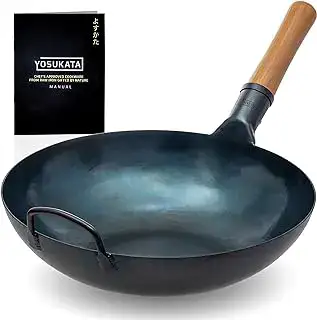 | YOSUKATA Flat Bottom Wok Pan - 13.5" Blue Carbon Steel Wok - Preseasoned Carbon Steel Skillet - Traditional Japanese Cookware - Carbon Steel Pan for Electric Induction Cooktops Woks and Stir Fry Pans |

Choosing the right pan can feel overwhelming, but it really just boils down to knowing how each material acts in the kitchen. Let's cut through the noise and compare the big three—carbon steel, cast iron, and stainless steel—based on how they actually perform when the heat is on.
We're talking real-world performance here, not just tech specs. By understanding their unique strengths and weaknesses, you can find the perfect pan for your cooking style, whether you're after searing power, nimble heat control, or just an easy cleanup.
Carbon Steel: The Responsive Powerhouse
Think of carbon steel as the perfect hybrid. It brings the intense searing power of cast iron but in a much lighter, more responsive package. This blend of traits is exactly why it's a favorite in professional kitchens and among home cooks who value precision and agility.
Its biggest advantage is how quickly it heats up. Because it's thinner and less dense than cast iron, it gets hot in a flash and reacts almost instantly when you dial the flame up or down. That's the kind of control you need for perfectly sautéed vegetables or delicate fish.
A well-seasoned carbon steel pan effectively combines the natural non-stick properties of cast iron with the nimble handling of stainless steel. It’s the versatile choice for cooks who want high-heat searing without the heavy lifting.
Once you build up a good seasoning, the surface develops a beautiful, slick patina that rivals any synthetic non-stick coating. This makes it a dream for everything from frying eggs to searing scallops, giving you reliable food release that only gets better with time.
Cast Iron: The Heavyweight Champion of Heat Retention
Cast iron is a legend for one simple reason: its unmatched ability to get blazing hot and stay that way. This makes it the undisputed king for any job that requires a deep, even sear, like cooking a thick-cut steak or getting that perfect crust on a skillet of cornbread.
But all that mass is a double-edged sword. A typical 12-inch cast iron skillet can weigh over 8 pounds, making it a real beast to lift and maneuver. It also heats up slowly and holds that heat for a long time, so it won’t respond quickly when you adjust the temperature.
While both carbon steel and cast iron need seasoning, cast iron’s pebbled, porous surface can sometimes take a bit longer to build into that perfectly smooth, non-stick layer.
Stainless Steel: The Reliable and Reactive Workhorse
For pure reliability and low maintenance, it's hard to beat stainless steel. It's completely non-reactive, meaning you can cook acidic ingredients like tomatoes, wine, or citrus without worrying about stripping your pan's seasoning or giving your food a metallic taste.
It’s also dishwasher-safe, which is a level of convenience you just don't get with seasoned cookware. Stainless steel pans are absolute masters at developing fond—those delicious browned bits that stick to the bottom—which is the secret to incredible pan sauces.
The tradeoff? Stainless steel has zero natural non-stick properties. Cooking delicate foods like eggs or fish requires a good amount of fat and careful heat management to keep things from sticking.
Cookware Showdown: Carbon Steel vs. Cast Iron vs. Stainless Steel
When you put these three materials side-by-side, their unique personalities really start to show. Here’s a quick breakdown to help you see where each one shines and where it falls short.
| Feature | Carbon Steel | Cast Iron | Stainless Steel |
|---|---|---|---|
| Heat Response | Excellent; heats and cools quickly | Slow; retains heat for a long time | Very good; heats and cools quickly |
| Heat Retention | Good | Excellent; the best for holding steady heat | Fair; doesn't hold heat as well as the others |
| Weight | Medium; lighter and easier to handle than cast iron | Heavy; can be difficult to lift and maneuver | Light; very easy to handle |
| Seasoning | Required; builds a smooth, non-stick patina | Required; builds a durable, non-stick surface over time | Not required |
| Non-Stick | Excellent (when seasoned) | Very good (when seasoned) | Poor; requires fat and technique |
| Acidic Foods | Not recommended; can strip seasoning | Not recommended; can strip seasoning and impart metallic taste | Excellent; completely non-reactive |
| Maintenance | Moderate; requires hand washing and occasional re-seasoning | Moderate; requires hand washing and occasional re-seasoning | Easy; dishwasher safe and very durable |
| Best For | Searing, sautéing, stir-frying, eggs | Searing, frying, baking (cornbread, pizza) | Sautéing, pan sauces, boiling, cooking with acidic ingredients |
Ultimately, the choice comes down to what you cook and how you like to cook it. For an all-around performer that can handle high-heat searing and delicate tasks with equal skill, carbon steel is tough to beat.
What to Look for in a Great Carbon Steel Pan
Walk down any cookware aisle, and you might think all carbon steel pans are pretty much the same. They’ve got that same simple, dark metal look. But don’t be fooled—the small details in how a pan is built can make a world of difference in your kitchen, affecting everything from performance and durability to how it feels in your hand.
Think of it like buying a chef's knife. Sure, they all cut, but the weight, balance, and steel quality are what separate a lifelong tool from a clunky piece of metal. This guide will help you spot those critical differences so you can look past the marketing and know exactly what you’re getting.
The buzz around this cookware isn’t just some passing trend; it's a real shift in how people think about cooking. The global market for carbon steel pans hit about USD 1.8 billion in 2024 and is expected to climb to USD 3.2 billion by 2033. That’s a steady growth rate of 6.4% a year. This surge is all about home cooks rediscovering durable, high-performance tools. You can dive deeper into these market trends and projections to see just how big this comeback is.
Pan Thickness is a Big Deal
 | Todlabe Nonstick Wok, 13-Inch Carbon Steel Wok Pan with Lid Woks & Stir-Fry Pans No Chemical Coated Wok with Spatula Flat Bottom Cookware Chinese Wok for Induction, Electric, Gas, Halogen, All Stoves |
One of the most crucial, yet easily missed, features is the thickness of the steel itself, often called its gauge. This one factor controls how well the pan holds heat and whether it will warp down the road.
For carbon steel, the magic number is usually between 2 and 3 millimeters.
- Thinner than 2mm: These pans are often cheaper and feel light as a feather, but that comes at a cost. They heat up in a flash but lose that heat just as fast, which leads to annoying hot spots and uneven cooking. Worse, they’re very likely to warp, especially if you have a powerful gas or induction stove.
- Thicker than 3mm: On the other end, these pans offer fantastic heat retention, but they start to feel more like cast iron. You lose that nimble, lightweight advantage that makes carbon steel so attractive in the first place.
A pan in that 2-3mm sweet spot gives you the best of both worlds. It’s beefy enough to hold a steady, ripping-hot temperature for a perfect sear but still light enough to toss veggies or flip an omelet without a workout.
Handles: Construction and Comfort
The handle is your connection to the pan, so its design is key for comfort, safety, and control. You'll typically find two ways they are attached.
- Riveted Handles: This is the gold standard for durability. Two or more rivets are punched through both the pan and the handle, creating a rock-solid bond that’s not going anywhere. The only tiny drawback is that gunk can sometimes build up around the rivet heads, requiring a little extra attention when cleaning.
- Welded Handles: These are welded right onto the outside of the pan, which leaves the cooking surface completely smooth and seamless. Cleaning is a dream, but a bad weld can be a weak point that might fail after years of heavy use and temperature changes.
The material of the handle matters, too. Most top-tier pans use stainless steel or cast iron handles, which don’t heat up as quickly as the pan body. Some are ergonomically curved for a more natural grip, a welcome feature for a pan you'll grab every day.
Pro Tip: Look for a handle that’s angled slightly upward. This gives you much better leverage and balance, making it easier and safer to lift a pan full of hot food or pour out a sauce.
Will It Work in Your Oven and on Your Stovetop?
A truly versatile pan doesn’t stop at the stovetop. Most carbon steel pans can go straight into the oven and handle incredibly high temperatures—often 600°F or more. Just be sure to check the manufacturer's specs. Some pans have coated or silicone-gripped handles that might bring that temperature limit down.
And for modern kitchens, here’s the great news: because carbon steel is a ferrous metal (meaning it contains iron), it works perfectly on induction cooktops right out of the box. This makes it a fantastic all-around player, ready to deliver top-tier performance on any cooking surface you have—gas, electric, or induction.
How to Season and Maintain Your Pan for Life
The real secret to a great carbon steel pan isn't the brand or the price tag—it's the seasoning. This living, breathing surface is what you build over time, transforming a simple piece of metal into a slick, non-stick workhorse.
Think of it this way: the initial seasoning is like pouring the foundation for a house. Every meal you cook and every bit of maintenance you do afterward is like adding another sturdy layer to that foundation. This process, called polymerization, is just a fancy word for heating a super-thin layer of oil until it literally bonds to the metal. You're creating a durable, glass-smooth patina that makes food release like a dream and keeps rust far, far away.
Mastering this simple ritual is the key. Do it right, and you'll have a pan that doesn't just last a lifetime—it gets better with every single use.
Your First Seasoning: A Step-by-Step Guide
| | Todlabe Nonstick Wok, 13-Inch Carbon Steel Wok Pan with Lid Woks & Stir-Fry Pans No Chemical Coated Wok with Spatula Flat Bottom Cookware Chinese Wok for Induction, Electric, Gas, Halogen, All Stoves |
Your new pan will likely arrive with a protective coating, usually beeswax or a food-safe oil, to stop it from rusting in transit. Your first job is to get that stuff off and get down to the bare metal.
Scrub It Clean: Grab some hot, soapy water and a scouring pad or steel wool and give the pan a really good scrub. This is the one and only time you should ever let soap touch your pan. The goal is to strip that factory coating completely.
Dry It Immediately: Towel dry the pan thoroughly, then pop it on a stove burner over low heat for a few minutes. This zaps every last bit of moisture, which is absolutely critical for preventing rust and helping the seasoning oil bond properly.
Apply a Micro-Thin Layer of Oil: Add about a teaspoon of a high-smoke-point oil (grapeseed, canola, or sunflower work great) to the warm pan. Use a paper towel to rub that oil over the entire interior surface, creating an incredibly thin, almost invisible layer.
Wipe It All Off (Seriously): Now, take a clean paper towel and wipe out the oil as if you made a mistake and want to remove every trace. Trust me on this. Enough oil will remain in the microscopic pores of the steel to form a perfect layer. If you leave too much, you'll end up with a sticky, splotchy mess.
Heat Until It Smokes: Place the pan back on the stove over medium-high heat. Let it heat up until the oil starts to smoke, then leave it on the heat for another 30-60 seconds. Kill the heat and let the pan cool down completely.
You’ll see the pan starting to change color, often getting a brownish or bluish tint. That's your first layer of patina forming! Now, repeat this process 3-5 more times to build a solid, foundational seasoning.
Remember, the goal is multiple, micro-thin layers. A thick, single coat of oil won't polymerize correctly and will result in a sticky, uneven surface that fails to provide the non-stick properties you're looking for.
Daily Care and Cleaning Made Simple
Once you have your base seasoning, maintenance is a piece of cake. The whole game is being gentle and avoiding anything that will strip away your hard-earned work.
- Clean While Warm: After cooking, let the pan cool down a bit, but try to clean it while it’s still warm. Most of the time, a simple wipe with a paper towel is all it needs.
- Use Water, Not Soap: For stubborn bits of food, run the pan under hot water and give it a gentle scrub with a non-abrasive sponge or soft brush. Stay away from soap—its detergents are designed to break down oil, which is exactly what your seasoning is.
- The Salt Scrub Trick: For really caked-on gunk, pour a tablespoon of coarse salt and a few drops of oil into the pan. Use a paper towel to scrub the salt around; its abrasive texture will lift the food without wrecking your seasoning.
- Always Dry on the Stove: Just like the first time, you have to get your pan bone-dry after cleaning. Wipe it with a towel, then set it on a low burner for a minute or two to evaporate any remaining moisture.
This visual guide breaks down the essential design elements that impact a pan's performance and maintenance routine.

Understanding these features—thickness for heat retention, handle construction for comfort, and side shape for cooking style—helps you appreciate how the physical pan supports the seasoning you build.
Troubleshooting Common Issues
Even with the best care, you might hit a few bumps. Don't sweat it. A carbon steel pan is incredibly forgiving and almost impossible to truly ruin.
- If You See Rust: You probably left the pan wet for too long. No big deal. Just scrub the rust spot off with steel wool, wash and dry the pan completely, and reapply a thin layer of seasoning oil over that area.
- If Food Starts Sticking: Your seasoning layer might be a little thin or damaged. This can happen if you cook something acidic like tomatoes or wine, which can eat away at the patina. All you need to do is a few quick rounds of stovetop seasoning to build it back up.
- If the Surface Looks Splotchy: An uneven, patchy look is totally normal, especially when the seasoning is new. A pan’s greatness is defined by how it cooks, not how it looks. Just keep cooking in it, and the patina will eventually even out into that beautiful, dark finish.
The fundamentals of seasoning a skillet carry over to other shapes, too. For more on this, check out our guide on how to season a carbon steel wok, which uses a similar approach to build up a rock-solid non-stick surface. Follow these steps, and you'll have a perfect cooking partner that will serve you well for decades.
Choosing the Right Pan Size and Style
Getting stuck with a pan that’s too big for your burner or too small for your family is a mistake we’ve all been tempted to make. Choosing the right size isn't about finding a single "best" carbon steel pan; it’s about matching the tool to your cooking style. If you think about how a pan will actually fit into your daily kitchen routine, you'll make a much smarter investment.
And it’s a decision more and more home cooks are making. There's a clear shift away from disposable cookware toward durable, high-performance tools. The global market for carbon steel frypans, valued at around USD 754 million in 2024, is expected to surge past USD 1 billion by 2030. This isn't just a fleeting trend; it’s a reflection of people wanting quality that lasts. You can dig into the numbers yourself in this global forecast for the carbon steel frypan market to see how the industry is growing.
Finding Your Perfect Pan Size
Pan sizes are always measured by the diameter across the top rim, but what really matters is the flat cooking surface at the bottom, which can vary quite a bit. Here’s a look at the three most common sizes and where they shine.
8-Inch Pan: The Solo Specialist
This is your go-to for small, quick jobs. It’s perfect for frying a couple of eggs, toasting a handful of spices, or whipping up a single-serving omelet. Because it's smaller, it heats up lightning-fast, making it the hero of quick breakfasts before you have to run out the door.10-Inch Pan: The All-Around Workhorse
If you're only going to own one carbon steel pan, this is the one. It hits the sweet spot between size and versatility. It fits comfortably on most home stovetops but still has enough room to cook for two or three people. Searing a couple of chicken breasts, sautéing a side of vegetables, or making a generous frittata—this pan handles it all with ease.12-Inch Pan: The Family Feeder
When you’re cooking for a crowd or meal-prepping for the week ahead, the 12-inch pan is your best friend. Its spacious surface lets you sear multiple steaks without them steaming, toss a huge batch of stir-fry, or bake up a family-sized skillet cornbread. Just double-check that your burner is large enough to heat it evenly.
Choosing a pan isn't just about capacity; it's about control. A pan that’s too large for your burner will have cold spots around the edges, leading to uneven cooking. Always match your pan size to your heat source for the best results.
Matching Pan Style to Your Cooking Method
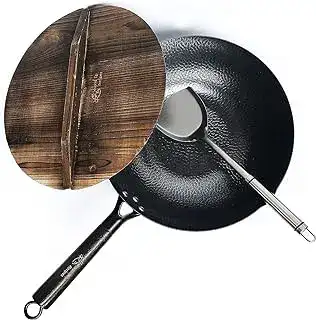 | Souped Up Recipes Carbon Steel Wok For Electric, Induction and Gas Stoves (Lid, Spatula and User Guide Video Included) |
Beyond just the size, the shape of a pan’s sides has a huge impact on how it performs. Different styles are built for different kitchen techniques.
The most common design you'll see is the French skillet (or poêle), which has gently sloped, flared sides. This shape is a brilliant all-rounder. It makes it incredibly easy to toss and flip ingredients with a simple flick of the wrist. That slope also helps moisture evaporate quickly, which is critical for getting a great sear instead of accidentally steaming your food.
For more specialized tasks, other styles might catch your eye. A crepe pan, for instance, has very low, shallow sides. This design lets you slide a spatula right underneath to flawlessly flip delicate crepes or pancakes. While it's certainly less versatile, having the perfect tool for a job you love can make all the difference in the kitchen.
Your Carbon Steel Pan Questions Answered
Jumping into the world of carbon steel is exciting, but let's be real—it's a different beast than the Teflon or stainless steel pans you're probably used to. It's totally normal to have questions.
Don't worry, though. Most of the common hiccups new users run into are incredibly easy to solve once you understand the why behind them. Think of this section as your quick-reference guide for troubleshooting the usual suspects and getting the hang of caring for your pan. We'll walk through everything from rust spots to sticky eggs, giving you clear, straightforward answers. The goal? To get you using and caring for your new pan like you've been doing it for years.
Is Carbon Steel Safe to Cook With?
Absolutely. In fact, carbon steel is one of the safest and most proven cooking materials on the planet. It’s made from a simple alloy of iron and carbon—that’s it. There are no synthetic coatings, weird chemicals, or mystery materials on the cooking surface.
Unlike pans with chemical non-stick coatings that can degrade and release fumes at high heat, a carbon steel pan is perfectly safe at temperatures way up to 1200°F. The slick, non-stick surface you build yourself is just polymerized cooking oil (aka seasoning), making it completely food-safe. This is exactly why professional chefs have trusted it for generations in demanding, high-heat kitchens.
Why Is My Food Sticking to My Seasoned Pan?
This is, without a doubt, the most common frustration for new carbon steel owners. The good news? It almost always boils down to one of three things, and they're all easy fixes.
Your Pan Isn't Hot Enough: This is the #1 culprit. Tossing food, especially cold food straight from the fridge, into a lukewarm pan is a recipe for sticking. You have to preheat your pan properly for a solid 2-3 minutes over medium heat before you even think about adding oil. Let the fat get hot for another minute, and then add your ingredients. Patience is key.
Your Seasoning Is Still New: A brand-new seasoning is like a young plant—it's fragile and needs time to get strong. Those first few layers are a good start, but the truly slick, bulletproof performance comes from cooking. Start with fatty foods like bacon, burgers, or searing steaks to build up that patina fast. Hold off on delicate stuff like eggs or fish until your pan has a darker, more established surface.
You Accidentally Stripped Some Seasoning: Cooking with highly acidic foods like tomatoes, lemon juice, or wine can weaken or even strip away that layer of polymerized oil. If your food suddenly starts sticking right after you made a pan sauce, this is probably why. The pan isn't ruined! You just need to do a quick round or two of stovetop seasoning to patch it up.
What Should I Do If I See Rust on My Pan?
First thing's first: don't panic! A spot of rust isn't a disaster. It’s just a sign that the pan was left with some moisture on it for a little too long. Since carbon steel is mostly iron, it will oxidize (rust) if it stays wet. Fixing it is a piece of cake and takes just a few minutes.
Grab some steel wool or a coarse scouring pad and give the rust spot a little scrub until it's gone and you see the bare metal again. Rinse the pan, and then dry it completely—and I mean bone dry. The crucial last step is to immediately re-season the pan with a couple of thin layers of oil. This protects that exposed metal from rusting again.
A carbon steel pan is virtually indestructible. Rust, stripped seasoning, and sticky surfaces are never permanent. They're just the pan's way of telling you it needs a little tune-up.
Why Should I Avoid Using Soap?
The classic "no soap" rule exists for one reason: to protect your hard-earned seasoning. Modern dish soaps are powerful degreasers designed to break down and lift away grease and oil. Since your pan's non-stick surface is literally made of baked-on layers of oil, soap will do exactly what it's designed to do—destroy it.
For daily cleaning, all you need is hot water and a soft brush or a salt scrub to lift off any food bits. This cleans the pan perfectly without compromising the slick patina you've worked to build. This is the one time where a little bit of residual oil is a good thing; it keeps your pan protected and ready for its next use. The only time soap should touch your pan is when you first get it, to wash off the factory wax coating.
At Cookware Review Hub, we believe that the right tools can transform your cooking experience. Explore our in-depth guides and reviews to find the perfect cookware for your kitchen. Discover your next favorite pan by visiting us at https://www.cookwarereviewhub.com.